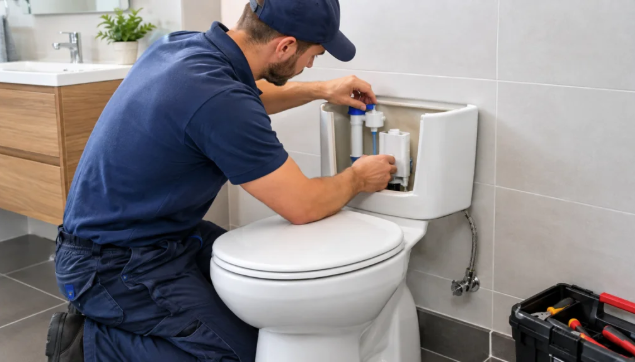
A leaking toilet can start with something small, such as a few drops around the cistern, water running into the bowl, or a damp patch near the base. Left unchecked, a minor leak can waste water, damage surrounding surfaces and develop into a more expensive plumbing problem.
For Canberra households, identifying the likely source of a toilet leak can make it easier to decide what needs attention. Canberra Plumbing and Drains provides practical plumbing services for households dealing with leaking toilets, faulty cisterns and other toilet-related issues.
Where Toilet Leaks Commonly Start
Toilets contain several components that work together every time they are flushed. A fault in one part can cause water to escape or continue flowing after the flush.
Common trouble spots include:
- The inlet valve inside the cistern
- The flush valve or seal
- The connection between the cistern and bowl
- Flexible water supply connections
- Pipe joints
- The seal around the toilet base
- Cracked or damaged cistern components
The location of the water often provides the first clue. Water inside the bowl may point to a faulty flushing mechanism, while water around the base can indicate a seal or connection problem. A plumber can inspect the toilet to determine whether the issue is caused by a worn component, damaged fitting or a larger plumbing fault.
Signs That Your Toilet Needs Attention
Some leaks are easy to spot, but others can continue unnoticed for days. Paying attention to changes in toilet operation can help identify a developing problem.
A toilet may need inspection if you notice:
- Water constantly running into the bowl
- A cistern that takes unusually long to refill
- Water pooling around the toilet
- Dampness near nearby flooring
- Unusual sounds after flushing
- A toilet that rocks or moves slightly
- Repeated need to adjust the flush mechanism
- A sudden increase in water usage
A persistent running sound is particularly easy to overlook because it may seem like normal toilet operation. However, continuous water flow can indicate that a valve, seal or flushing component is not working correctly.
Why Professional Toilet Repairs Can Be Necessary
A leaking toilet is not always caused by a part that can simply be tightened or adjusted. Some faults require replacement components, while others may involve connections beneath or behind the toilet.
Trying to repair the wrong component can sometimes make the problem worse. For example, excessive tightening around plumbing fittings can damage threads or seals. Removing a toilet without addressing the underlying connection can also create additional leakage.
A qualified plumber for leaking toilet problems can inspect the complete installation rather than focusing only on the visible water. This helps identify the source of the leak and determine what repair is appropriate.
Emergency Toilet Repair for Sudden Problems
Some toilet leaks can become urgent. A burst supply hose, major cistern failure or significant leak around the toilet base can release a large amount of water in a short period.
In these situations, emergency toilet repair may be required to reduce the risk of water damage. If it is safe to do so, the toilet’s isolation valve can usually be turned off to stop the water supply while professional assistance is arranged.
Homeowners should also avoid repeatedly flushing a toilet that is overflowing or leaking heavily. Keeping towels or containers away from electrical equipment and other hazards can help reduce immediate risks while waiting for a plumber.
See also: What to Consider Before Booking New York to Cochin Flights
What Toilet Plumbing Services May Include
Professional toilet plumbing services can cover more than repairing visible leaks. Depending on the fault, a plumber may inspect the cistern, flush mechanism, inlet valve, supply connection, waste connection and toilet base.
Typical services may include:
- Repairing running toilets
- Replacing faulty valves
- Repairing or replacing cistern components
- Fixing leaking connections
- Addressing problems around the toilet base
- Replacing damaged seals
- Investigating poor flushing
- Checking for related drainage problems
A proper inspection can also reveal whether a toilet problem is isolated or connected to another plumbing issue within the property.
Understanding Toilet Cistern Problems
The cistern controls the water used during each flush, so problems inside it can affect the toilet’s performance and water consumption.
A worn inlet valve may allow water to continue entering the cistern after it reaches the correct level. A damaged flush seal can allow water to escape slowly into the bowl. In other cases, a broken internal component may prevent the toilet from flushing correctly.
Toilet cistern plumbing may involve cleaning, adjusting, repairing or replacing internal parts. The appropriate repair depends on the condition and design of the cistern.
Older toilets may also have components that are difficult to source. In those cases, a plumber can assess whether replacing an individual part is practical or whether another repair option would be more suitable.
Why Ignoring a Small Leak Can Be Costly
A slow leak may not appear serious, particularly if there is no obvious pooling water. Yet continuous water loss can add up over time.
Leaks around the base of a toilet can also affect flooring and surrounding materials. If moisture remains hidden beneath or around the toilet, it may contribute to deterioration that becomes more difficult to identify later.
Early inspection gives homeowners a chance to address the fault before it develops into a larger repair. It can also help prevent unnecessary water wastage.
Choosing the Right Plumbing Assistance in Canberra
When arranging toilet repairs, homeowners should look for a plumbing provider with experience handling domestic toilet faults and related water issues.
Canberra Plumbing and Drains assists property owners with toilet leaks, cistern faults, plumbing connections and other household plumbing concerns. A professional assessment can establish whether the problem requires a minor component replacement or more extensive work.
For homeowners dealing with an active leak, describing what is happening can help the plumber understand the situation before arriving. Details such as where water is appearing, whether the toilet continues running and whether the issue started suddenly can all be useful.
Keeping Toilet Problems Under Control
Regular attention to a toilet can help identify problems before they become disruptive. Check for moisture around the base, listen for continuous water flow and pay attention to changes in flushing or cistern filling.
When a leak appears, avoid assuming that the visible water marks the source of the problem. Water can travel along fittings, flooring and pipework before becoming noticeable.
For a persistent issue, a plumber for leaking toilet concerns can inspect the installation, identify the cause and recommend the appropriate repair. Canberra Plumbing and Drains can assist with toilet-related plumbing problems across Canberra, helping homeowners address leaks and faulty components before they cause wider damage. A leaking toilet may be a simple repair, but finding the actual source is what determines the right fix.
