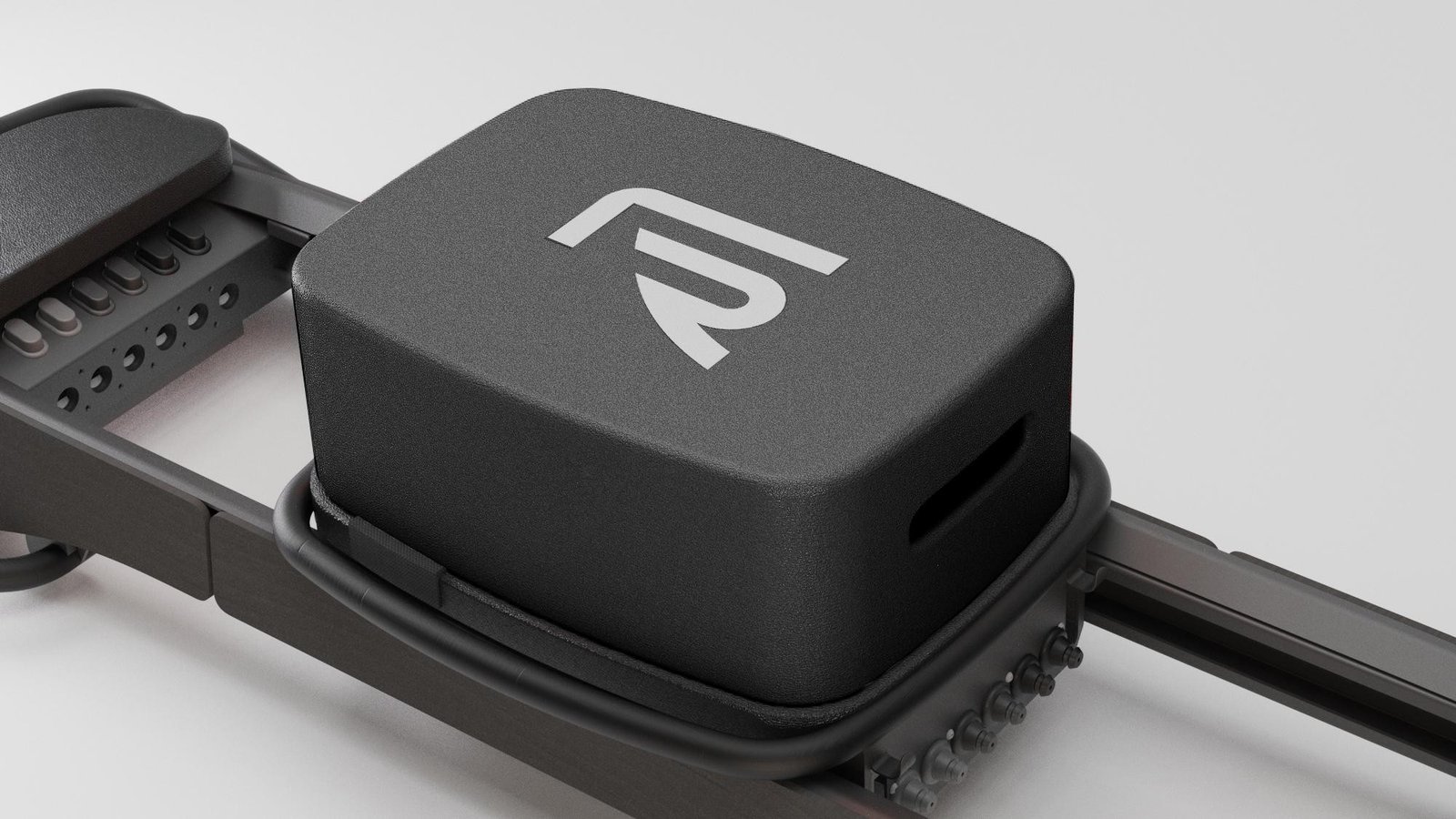
Pilates equipment offers different ways to develop strength, improve movement control, and add variety to a regular workout routine. While the reformer is often recognised for its sliding carriage and resistance system, accessories can make the equipment more versatile. One such accessory is the Pilates reformer box, which provides an elevated surface for selected exercises performed while sitting, lying down, kneeling, or positioning the body in other supported ways.
Using a box can introduce new movement patterns and provide different exercise positions without requiring an entirely separate machine. Depending on its design and compatibility with the reformer, it may support exercises that focus on the core, upper body, lower body, balance, and coordination.
Understanding how to use this accessory can help you select appropriate exercises and create a more varied Pilates routine. However, the correct setup, box dimensions, and exercise technique are essential for comfortable and controlled movement.
What Is a Pilates Reformer Box?
A Pilates reformer box is a padded accessory designed to work with compatible reformer equipment. It is typically positioned on the carriage to create an elevated platform for selected exercises.
Boxes vary in length, width, height, padding, and construction. Some designs support seated movements, while others provide a longer surface for exercises performed while lying down or leaning forward.
The box changes the position of your body in relation to the reformer. This can make certain movements more accessible or introduce different challenges, depending on the exercise and the user’s experience.
Before purchasing or using a box, confirm that its dimensions and attachment arrangements are compatible with your particular reformer. Never assume that every box fits every machine.
Benefits of Using a Pilates Reformer Box
Adding a box to your workout can provide several practical benefits when the accessory is suitable for your equipment and used correctly.
1. Adds Variety to Your Exercise Routine
Performing the same exercises repeatedly can make a routine feel limited. A reformer box allows you to explore different positions and movement patterns within a familiar workout setup.
Depending on the exercise, you may be able to perform seated arm movements, supported trunk exercises, or selected leg movements.
This variety can help you organise workouts around different fitness goals while continuing to use your reformer.
2. Supports Core Strength and Stability
Many Pilates exercises require the trunk to remain stable while the arms or legs move. A box can provide a different starting position for selected exercises that involve abdominal engagement and controlled posture.
For example, a seated exercise may require you to maintain an upright position while moving the arms against resistance.
The level of difficulty depends on the movement, resistance setting, and your ability to maintain control. Begin with simple exercises before attempting variations that demand greater balance or coordination.
3. Creates Different Exercise Positions
The elevated surface can change the angle and position from which an exercise is performed. This may help you practise movements that would be difficult to organise using the carriage alone.
Depending on the box design, supported positions may include sitting, kneeling, or lying down.
Choose exercises that are specifically intended for your equipment and experience level. A new position can change the demands of a movement, so avoid assuming that an exercise will feel the same when performed with an accessory.
4. Encourages Controlled Movement
Pilates focuses on precision rather than simply completing a high number of repetitions. The box can help establish a consistent position for selected exercises, allowing you to focus on posture, breathing, and movement quality.
A controlled routine should prioritise comfortable alignment and smooth transitions between positions.
If you cannot maintain control during an exercise, simplify the movement or seek guidance from a qualified Pilates instructor.
1. Seated Arm Presses
Seated arm presses can be used to practise upper body movement while maintaining a stable trunk. A reformer box may provide an elevated sitting position for suitable variations.
How to Perform the Exercise
- Place the compatible box securely on the reformer according to the manufacturer’s instructions.
- Sit in the position recommended for the exercise.
- Hold the handles if the selected variation uses straps.
- Establish an upright, comfortable posture.
- Press your arms through the prescribed range without leaning excessively.
- Return slowly to the starting position.
Benefits of Seated Arm Presses
Depending on the movement and resistance, this exercise can involve the shoulders, arms, upper back, and muscles that help stabilise the trunk.
The key is to maintain control rather than using momentum to move the handles.
Start with a suitable resistance setting and keep your shoulders relaxed. Stop if the movement causes discomfort or makes it difficult to maintain proper positioning.
2. Seated Rowing Exercises
Seated rowing variations can help you practise pulling movements while coordinating the arms and trunk. When the exercise is appropriate for the reformer, the box may provide a useful sitting surface.
How to Perform the Exercise
- Secure the box in the approved position.
- Sit comfortably with your feet and legs positioned as instructed.
- Hold the reformer handles with a relaxed grip.
- Maintain an upright trunk and relaxed shoulders.
- Pull the handles toward the body through the prescribed range.
- Return slowly while controlling the resistance.
Why This Exercise Is Useful
Rowing movements can involve the upper back, shoulders, and arms. They also encourage awareness of posture during upper body exercise.
Avoid rounding your back excessively or pulling the handles abruptly. The resistance should allow you to complete the movement smoothly.
Beginners should learn the correct setup from an instructor or the equipment’s approved exercise guidance.
3. Box Supported Abdominal Exercises
A reformer box may provide an elevated surface for selected abdominal exercises. The exact setup depends on the box design, the reformer, and the exercise being performed.
How to Approach the Movement
- Confirm that the box is positioned securely.
- Choose an exercise appropriate for your experience.
- Establish a comfortable starting position.
- Engage the abdominal muscles without holding your breath.
- Perform the movement slowly and maintain control.
- Return to the starting position without rushing.
Benefits for Core Training
Supported abdominal exercises can help you practise trunk control and coordination. Some variations involve maintaining a stable body position while moving the arms or legs.
Avoid forcing the lower back into an uncomfortable position or attempting a movement that exceeds your current ability.
If you are unfamiliar with box based abdominal exercises, ask a qualified instructor to demonstrate the appropriate setup.
4. Prone Upper Body Exercises
Certain reformer box exercises involve lying face down on the padded surface. Depending on the movement, the arms may work against resistance while the trunk remains supported.
These exercises should only be performed when the box is designed for the intended position and the setup is approved for your reformer.
General Exercise Approach
- Position the box according to the manufacturer’s instructions.
- Settle into the prescribed position without placing unnecessary pressure on the neck.
- Establish a comfortable trunk position.
- Perform the selected arm movement with controlled resistance.
- Return slowly and reposition yourself carefully.
Potential Benefits
Prone variations can provide opportunities to practise upper body movement and trunk stability. Their demands depend on the exercise and resistance used.
Keep your neck comfortable and avoid lifting your head excessively. Stop if you experience back, shoulder, or neck discomfort.
5. Supported Hip and Leg Movements
A reformer box can change the position of the body during certain leg exercises. Some variations use the box as a support surface while the legs perform controlled movements.
The exact exercise depends on the box dimensions, carriage setup, and the reformer’s design.
How to Practise Safely
- Confirm that the box is compatible with the reformer.
- Follow the prescribed positioning instructions.
- Begin with a simple movement and suitable resistance.
- Keep the supporting body position stable.
- Move through a comfortable range.
- Return slowly to the starting position.
Benefits of Controlled Leg Movements
These exercises may involve the hips, thighs, and other muscles responsible for lower body movement and stability.
Focus on smooth movement rather than increasing the range too quickly. Avoid using the box for unsupported positions unless the equipment and exercise instructions specifically permit them.
6. Balance and Postural Control Exercises
Some box based exercises challenge the ability to maintain a stable position while moving the arms or legs. These movements may help develop coordination and body awareness when they are appropriate for the user.
However, exercises that involve standing, kneeling, or balancing on a moving carriage can be demanding.
Beginners should avoid advanced balance variations until they understand the equipment and can maintain control during foundational exercises.
Use only the positions recommended for your particular box and reformer. Do not stand on an accessory unless the manufacturer explicitly confirms that it is designed to support that use.
How to Choose the Right Pilates Reformer Box
Selecting a suitable box requires attention to dimensions, construction, compatibility, and comfort.
Check Compatibility
Confirm that the box is intended for your specific reformer model or that the manufacturer clearly states its compatibility.
The accessory should fit securely in its intended position without interfering with the carriage or other moving parts.
Evaluate Padding and Comfort
Padding should provide appropriate support for the exercises you intend to perform. Check the surface material, stitching, and overall finish.
A comfortable surface can make seated and supported movements easier to manage, although padding alone does not determine quality.
Review Dimensions
Compare the box’s length, width, and height with your needs and the reformer’s specifications.
A box that is too large may interfere with other components, while one that is too small may not provide the intended support.
Consider Construction Quality
Look for clear information about the materials, weight limits where applicable, cleaning requirements, and intended uses.
Inspect the box periodically for damaged padding, loose seams, or structural deterioration. Stop using it if its condition affects stability or comfort.
Understand Maintenance Requirements
Choose a box that can be cleaned according to the manufacturer’s instructions. Regular care can help maintain the surface and identify damage before it becomes a concern.
Common Mistakes to Avoid
Using accessories without checking their intended purpose can create unnecessary risks or make exercises less effective.
Avoid these common mistakes:
- Buying a box without confirming compatibility
- Ignoring its dimensions and weight specifications
- Placing it incorrectly on the carriage
- Attempting advanced exercises without learning the setup
- Using resistance that makes movement difficult to control
- Standing or balancing on the box without explicit manufacturer approval
- Continuing to use damaged or unstable equipment
- Forgetting to clean and inspect the accessory regularly
Take time to understand how the box works with your machine before introducing new exercises into your routine.
Frequently Asked Questions
1. What is a Pilates reformer box used for?
A reformer box provides an elevated padded surface for selected exercises. Depending on the design, it may support seated, lying, or other approved exercise positions.
2. Can beginners use a reformer box?
Yes, beginners can use a compatible box for suitable exercises when they understand the setup and follow proper instructions. Start with simple movements and seek professional guidance when necessary.
3. Does a reformer box help strengthen the core?
Some box based exercises involve abdominal engagement and trunk stabilisation. The benefits depend on the movement, resistance, technique, and consistency of practice.
4. Are all Pilates reformer boxes interchangeable?
No. Boxes vary in size, design, and compatibility. Confirm that the accessory is suitable for your specific reformer before purchasing or using it.
5. How do I maintain a reformer box?
Clean the surface according to the manufacturer’s instructions and inspect the padding, seams, and structure regularly. Replace damaged accessories when necessary.
6. Can I stand on a Pilates reformer box?
Only if the manufacturer explicitly confirms that the box is designed to support standing exercises. Never assume a padded accessory is safe for standing or balancing.
Final Thoughts
A reformer box can add useful variety to a Pilates routine by providing an alternative support surface for selected exercises. It may help you explore different positions, practise controlled movements, and organise workouts around your fitness goals.
Before choosing a Pilates reformer box, confirm its compatibility, dimensions, construction quality, and intended uses. Learning the correct setup and selecting exercises that match your ability are essential for a comfortable workout experience.
With appropriate equipment, regular maintenance, and attention to technique, a reformer box can become a practical addition to your Pilates training routine.
