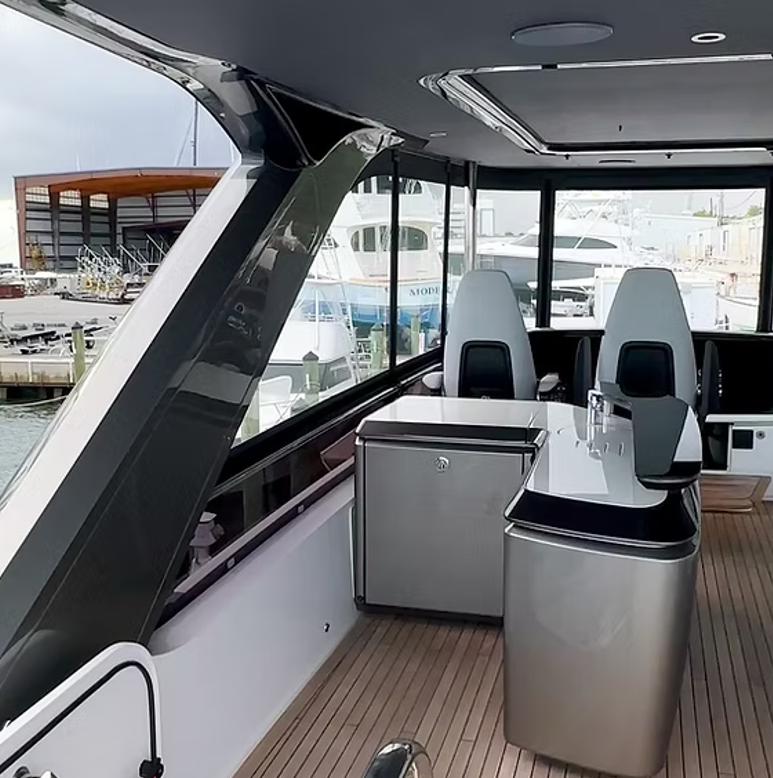
Marine canvas enclosures help protect boat occupants from wind, rain, water spray, and changing weather conditions while making exposed areas more comfortable. Choosing the right enclosure, however, involves more than selecting a fabric or window style. Boat owners should consider material quality, visibility, fit, ventilation, durability, and maintenance requirements before making a decision.
When comparing marine canvas enclosures, it is important to understand the differences between traditional canvas structures, flexible clear vinyl panels, and rigid acrylic systems. Each option offers specific advantages depending on the vessel’s design and intended use. Understanding these differences can help you choose an enclosure that provides practical protection while maintaining clear views and a suitable onboard environment.
What Are Marine Canvas Enclosures?
Marine canvas enclosures are protective structures installed around exposed areas of a boat. They commonly combine fabric, transparent panels, supporting frames, fasteners, and other hardware to reduce exposure to wind, rain, and water spray.
The design varies according to the vessel, the area being enclosed, and the owner’s requirements. Transparent panels are particularly important around helm stations and seating areas because boat operators need clear visibility while navigating.
How Boat Enclosures Protect Passengers and Equipment
Enclosures create a barrier against wind, rain, and spray, helping make time spent in exposed areas more comfortable. They can also reduce the amount of moisture reaching seating, controls, and other components.
The protection provided depends on the material, construction, installation, and fit. An enclosure should be selected for its intended marine environment, with attention to how it handles exposure and how securely its components attach to the boat.
Common Areas of a Boat That Use Enclosures
Marine enclosures are frequently installed around cockpits, helm stations, aft seating areas, and other exposed sections. Depending on the design, panels may be removable or arranged to open when additional airflow is needed.
The most appropriate configuration depends on the boat’s layout, available mounting points, and the areas requiring protection. Accessibility, visibility, and movement around the vessel should remain priorities during planning.
The Difference Between Canvas Structures and Clear Enclosure Panels
Canvas generally refers to the fabric sections of an enclosure, while transparent panels provide visibility. These panels may be made from flexible clear vinyl, often associated with isinglass-style enclosures, or rigid acrylic.
These materials serve different purposes and have different handling requirements. Understanding the distinction helps boat owners compare enclosure systems according to their preferred appearance, flexibility, visibility, and maintenance needs.
What Are the Main Types of Marine Boat Enclosures?
Marine boat enclosures are available in several configurations. Comparing their materials and construction can help you determine which design is suitable for your boat and the conditions in which it operates.
Soft Isinglass and Clear Vinyl Enclosures
Soft clear vinyl panels are flexible and can be incorporated into canvas structures with zippers, fasteners, and removable sections. Depending on the design, they can provide adaptability when panels need to be opened, removed, or stored.
However, flexible clear panels require careful handling to preserve their appearance. Dirt, abrasive cleaning tools, and unsuitable chemicals can cause scratches or cloudiness. Following the manufacturer’s cleaning and storage instructions is important for reducing premature wear.
Rigid Acrylic Boat Enclosures
Rigid acrylic enclosures use shaped transparent panels to create a more structured alternative to flexible clear vinyl. They may be appropriate when clear visibility and a firm panel structure are priorities.
Acrylic systems have different installation and care requirements from soft enclosures. Their design must account for the vessel’s shape, mounting points, and operating environment. Using compatible cleaning products also helps protect the surface and maintain visibility.
Hybrid Enclosure Systems for Different Boat Areas
Some enclosure designs combine different materials to meet the requirements of separate boat areas. For example, a system may use canvas for flexible sections and rigid or soft transparent panels where visibility is needed.
A hybrid system should be assessed as a complete arrangement. Panel placement, attachment methods, ventilation, access, and compatibility between materials all contribute to the enclosure’s overall performance.
How Do You Choose the Right Material for a Boat Enclosure?
Selecting an enclosure material requires balancing visibility, flexibility, environmental exposure, and maintenance. The most suitable option depends on how the boat is used and which features are most important to the owner.
Comparing Visibility and Optical Clarity
Clear panels should provide appropriate visibility for the areas where they are installed. This is particularly important around the helm, where the operator must remain aware of surrounding boats, obstacles, and changing water conditions.
Rigid acrylic and flexible clear vinyl have different optical and structural characteristics. Ask the manufacturer about the clarity of the proposed material, its resistance to surface damage, and the maintenance needed to preserve its appearance.
Considering UV Exposure, Salt Spray, and Weather Conditions
Sunlight, salt deposits, moisture, and airborne debris can affect enclosure materials over time. The degree of exposure depends on the boat’s storage arrangements, frequency of use, and operating environment.
Before choosing an enclosure, confirm that its materials are suitable for the conditions in which the vessel will be used. Regular rinsing and compatible cleaning products can help remove contaminants before they contribute to surface deterioration.
Comparing Flexibility, Durability, and Maintenance Requirements
Flexible panels can be useful when an enclosure needs removable or roll-up sections. Rigid acrylic provides a more structured panel design but may require different handling, installation, and storage considerations.
Durability depends on more than material type. Construction quality, installation, environmental exposure, and maintenance all influence how long an enclosure remains in good condition. Compare the complete system rather than assuming one material is always more durable than another.
Matching Enclosure Materials to Your Boat Type and Usage
Consider the vessel’s size, layout, available mounting space, and typical operating conditions. Also evaluate how frequently the enclosure will be opened, removed, or exposed to harsh weather.
Access to controls, visibility from different seating positions, ventilation, and ease of cleaning should influence the final choice. These practical requirements help ensure that the enclosure supports the boat’s intended use.
What Are the Benefits of Custom Marine Canvas Enclosures?
Custom enclosures can be designed around a vessel’s dimensions and configuration. A suitable design takes into account the shape of the boat, supporting structures, panel placement, closure systems, and the relationship between the enclosure and existing features.
Why Accurate Measurements Matter
Accurate measurements help ensure that panels align correctly with mounting points and that closures operate as intended. Poor fit can create gaps, restrict access, or place unnecessary stress on fasteners and materials.
Before ordering, confirm the manufacturer’s measurement process and the information required, such as dimensions, templates, or photographs. The design should reflect the vessel’s actual configuration rather than relying on approximate measurements.
Improving Cockpit and Helm Comfort
An enclosure can help make the cockpit and helm more comfortable by reducing exposure to wind and water spray. Transparent panels allow occupants to retain outward visibility while benefiting from a more sheltered environment.
The layout should provide adequate room for movement and allow the operator to reach essential controls. Comfort, accessibility, and visibility should be considered together when selecting an enclosure.
Balancing Weather Protection With Ventilation
A closed enclosure can restrict airflow, particularly in warmer conditions. Depending on the design, openable panels and suitable openings can help provide ventilation while maintaining a degree of protection.
The configuration should suit the boat’s layout and intended use. Ventilation features should not interfere with safe visibility, secure attachment, or access to important controls.
How Much Maintenance Do Marine Enclosures Need?
Marine enclosures need regular care to help preserve their appearance and functionality. The appropriate maintenance routine depends on the panel material, environmental exposure, frequency of use, and manufacturer recommendations.
Rinsing Away Salt, Dirt, and Loose Debris
Fresh water can help remove salt deposits and loose contaminants from enclosure surfaces. Removing grit before wiping is especially important because particles trapped between a cloth and a clear panel can cause scratches.
Use clean, soft materials and avoid aggressive scrubbing. A consistent cleaning routine can help reduce residue buildup and maintain better visibility.
Choosing Suitable Cleaners for Acrylic and Isinglass
Not every cleaning product is appropriate for every clear material. Household glass cleaners, solvents, and abrasive products may damage certain acrylic or flexible vinyl surfaces.
Choose a cleaner specifically approved for the material and follow the product instructions. If a polish is required, confirm its compatibility before applying it to the entire panel.
Preventing Scratches, Cloudiness, and Premature Wear
Avoid abrasive pads, rough towels, dry wiping, and excessive pressure. When removable panels are stored, follow the manufacturer’s instructions to prevent creasing, rubbing, or contact with hardware.
Cloudiness may result from residue, surface damage, or material deterioration. Identifying the cause helps determine whether cleaning, polishing, professional assessment, or replacement is the most appropriate next step.
When to Clean, Polish, Repair, or Replace Enclosure Panels
Routine cleaning is suitable for removing everyday dirt and salt. Polishing may improve certain superficial marks when the product is compatible with the material, but deep scratches, cracks, and severe deterioration may require professional evaluation.
Do not assume every defect can be removed with a scratch treatment. If damage affects visibility, panel integrity, or safe operation, seek qualified advice about repair or replacement.
What Should You Consider Before Buying a Boat Enclosure?
Before purchasing an enclosure, compare the full system, including its materials, installation requirements, maintenance needs, and compatibility with the vessel. Understanding these factors helps you make a more informed decision.
Initial Cost Versus Long-Term Maintenance
The purchase price is only one consideration. Evaluate cleaning requirements, compatible care products, replacement components, and potential installation costs.
Ask what the quoted price includes and whether additional hardware, preparation, or fitting work is required. Comparing these details helps you assess the overall value of different options.
Installation, Fit, and Compatibility With Existing Boat Features
Confirm how the enclosure will attach to the boat and whether it is compatible with existing frames, supports, doors, and hardware. The installation should preserve access to controls and allow safe movement around the vessel.
Discuss any required modifications before ordering. A clear understanding of installation requirements can help prevent fitting problems later.
Questions to Ask an Enclosure Manufacturer
Ask about the material specifications, expected maintenance, visibility, installation method, warranty terms, and availability of replacement parts. You should also confirm which measurements and vessel details are required before production.
These questions help you compare enclosure options based on practical requirements rather than appearance alone.
How Can EZ2CY Help Boat Owners Compare Enclosure Options?
Understanding the available enclosure designs is an important step in selecting a system that suits your boat. EZ2CY offers information about marine enclosure options, including rigid acrylic and soft isinglass systems, helping boat owners explore different approaches to visibility, protection, and enclosure construction.
When comparing products, review the materials, installation requirements, and care recommendations relevant to your vessel. This makes it easier to evaluate whether a particular enclosure meets your needs.
Exploring Rigid Acrylic and Soft Isinglass Systems
Compare the structure, flexibility, visibility, and maintenance requirements of rigid acrylic and soft isinglass-style systems. The appropriate choice depends on the boat’s design, the intended use of each enclosed area, and the features you value most.
Reviewing Custom Measurement and Material Options
Ask what information is needed to assess your boat and determine an appropriate enclosure configuration. Accurate measurements and details about mounting points are important for planning a suitable fit.
Understanding Care Requirements Before Making a Decision
Review the recommended cleaning methods and compatible care products before choosing a system. Understanding maintenance requirements in advance can help you avoid unsuitable treatments and preserve the enclosure’s appearance.
Frequently Asked Questions About Marine Canvas Enclosures
What is the difference between a canvas boat enclosure and an acrylic enclosure?
A canvas boat enclosure typically uses fabric sections and may include flexible transparent panels. An acrylic enclosure uses rigid transparent panels. The systems differ in construction, flexibility, installation, and maintenance requirements.
Are rigid acrylic enclosures better than soft isinglass?
Neither option is automatically better for every boat. Rigid acrylic may suit owners who prefer structured transparent panels, while soft isinglass-style panels may be appropriate when flexibility or removable sections are priorities. The best choice depends on the vessel and its intended use.
How long can a marine boat enclosure last?
The service life depends on material quality, installation, exposure to sunlight and weather, frequency of use, and maintenance. Following the manufacturer’s care instructions and addressing damage promptly can help preserve the enclosure.
How do you keep clear boat enclosure windows from becoming cloudy?
Rinse away loose debris, use a compatible marine cleaner, and clean with soft materials. Avoid abrasive tools and unsuitable chemicals. If cloudiness remains after cleaning, the surface may need further assessment to determine whether polishing or replacement is appropriate.
Can a boat enclosure be custom-made for a specific vessel?
Yes. Custom enclosures can be designed around a vessel’s dimensions and configuration. The manufacturer may require measurements, templates, photographs, and information about mounting points and existing features before recommending a suitable design.
Conclusion: Choosing Marine Canvas Enclosures for Your Boat
Choosing the right marine canvas enclosure requires careful consideration of visibility, weather protection, material compatibility, fit, ventilation, and maintenance. Flexible clear vinyl, rigid acrylic, and hybrid systems offer different characteristics, so the right choice should reflect your boat’s design and intended use.
Accurate measurements, suitable installation, and regular cleaning are equally important for maintaining an enclosure over time. Before making a purchase, compare material specifications and ask about care requirements to ensure the system meets your expectations.
To explore enclosure options and discuss your requirements, visit EZ2CY and Get In Touch for further information.
