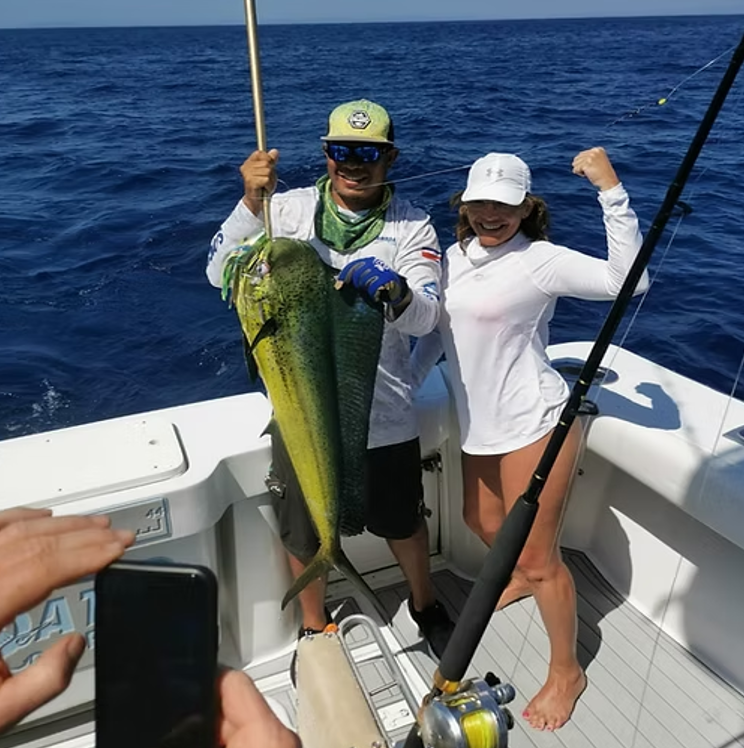
Planning an offshore fishing trip in Costa Rica gives anglers the opportunity to target exciting Pacific species in productive ocean waters. Mahi mahi, also known as dorado, is a popular target because of its vibrant colors, speed, and energetic fight. Los Sueños Marina provides access to offshore fishing grounds along Costa Rica’s Central Pacific coast, making it a convenient starting point for anglers planning a fishing trip.
Choosing the right Mahi mahi fishing charter Los Suenos begins with understanding seasonal patterns, fishing techniques, charter arrangements, and the conditions that influence fish activity. Whether you are an experienced angler or planning your first offshore trip, knowing what to expect can help you prepare for a comfortable and enjoyable day on the water.
Why Is Los Sueños a Popular Destination for Mahi Mahi Fishing?
Los Sueños is an established sportfishing destination on Costa Rica’s Pacific coast. Located in Herradura Bay, the marina offers access to offshore waters where anglers can target mahi mahi, yellowfin tuna, wahoo, sailfish, and other species, depending on the season and fishing conditions.
The area’s appeal comes from its access to Pacific fishing grounds, charter facilities, and opportunities to combine sportfishing with a Costa Rica vacation. However, catches depend on factors such as weather, currents, baitfish activity, and the movement of target species.
Understanding Dorado and Their Pacific Ocean Habitat
Mahi mahi, scientifically known as Coryphaena hippurus, is a pelagic fish found in tropical and subtropical waters around the world. In Costa Rica, it is commonly called dorado. Its distinctive blue, green, and golden coloration makes it one of the most recognizable offshore sportfish.
These fish feed on smaller fish, squid, and other available prey. They often gather near floating vegetation, including Sargassum, and natural debris that can attract baitfish. Such structures provide feeding opportunities in open water.
Mahi mahi are known for their rapid runs, sudden changes in direction, and spectacular jumps when hooked. These characteristics make them an exciting target for recreational anglers. Finding active fish and presenting suitable bait or lures are important parts of a successful fishing strategy.
How Offshore Waters Around Los Sueños Support Mahi Mahi Fishing
The offshore waters accessible from Los Sueños provide habitat for pelagic species. Water temperature, currents, floating vegetation, and concentrations of baitfish influence where mahi mahi may be found.
Captains assess these conditions when planning a route and selecting fishing techniques. According to Dream Boats Costa Rica, dorado fishing trips from Los Sueños can target floating debris, weed lines, and offshore areas where baitfish attract feeding predators.
The distance required to reach productive water varies with fish location and ocean conditions. Some trips may encounter suitable fishing grounds relatively close to shore, while others may require a longer run. Local knowledge and flexible trip planning are therefore valuable when selecting a charter.
When Is the Best Time to Catch Mahi Mahi in Costa Rica?
Mahi mahi can be caught in Costa Rica throughout the year, although their availability and catch rates vary by season. Weather patterns, ocean currents, and the availability of food influence their distribution along the Pacific coast.
Rather than relying on a particular month as a guarantee of success, anglers should consider seasonal trends alongside recent fishing reports. Discussing your travel dates with the charter operator can help you understand which species are likely to be targeted.
Seasonal Fishing Patterns From May Through November
May through November is an important period for dorado fishing around Los Sueños. Seasonal rainfall can contribute to the movement of floating logs, vegetation, and other debris into offshore waters. These structures may attract baitfish and provide feeding areas for mahi mahi.
During productive periods, schools of dorado may gather around floating objects and current boundaries. Captains search these areas while observing birds, surface activity, and other signs of feeding fish.
Conditions differ from year to year, so the entire period should not be treated as equally productive. Ask about recent fishing activity and expected ocean conditions when planning your trip.
What Anglers Should Know About Fishing Outside Peak Months
Fishing outside the main seasonal window can still offer opportunities to catch mahi mahi. These fish remain present in Costa Rican waters throughout the year, but their location and abundance can change.
Anglers visiting between December and April should remain flexible about their target species and fishing strategy. Depending on current conditions, a charter may pursue dorado alongside other available offshore species, such as yellowfin tuna or wahoo.
Understanding seasonal differences helps set realistic expectations and allows you to choose a charter suited to your schedule and fishing goals.
What to Expect on a Mahi Mahi Fishing Charter in Los Sueños
An offshore charter typically begins with departure from the marina and a journey toward areas where the captain expects suitable fishing conditions. The crew prepares the equipment, monitors the water, and adjusts the fishing strategy as conditions change throughout the day.
The itinerary depends on the charter duration, selected boat, weather, and location of target fish. Understanding the arrangements before departure helps you prepare and make the most of your time on the water.
Traveling Offshore From Los Sueños Marina
The journey to fishing grounds can involve a relatively short run or a longer offshore trip. The distance depends on where mahi mahi are feeding, the location of current boundaries, and the day’s sea conditions.
Before booking, confirm the departure time, expected duration, and whether the trip focuses on offshore fishing. If you are prone to motion sickness, consider discussing suitable preparations with a healthcare professional before departure.
Captains may adjust routes when conditions change or when another area offers better fishing opportunities. Safety should always remain a priority when planning an offshore trip.
Fishing Equipment, Bait, and Onboard Support
Charter packages commonly include fishing rods, reels, tackle, bait or lures, and assistance from the captain and crew. However, the exact inclusions depend on the boat and package, so confirm the details before making a reservation.
Suitable tackle is important because mahi mahi can make sudden runs and energetic movements when hooked. The crew can explain how to use the equipment, maintain line tension, and follow instructions during the fight.
Ask whether refreshments, meals, fishing licenses, and fish cleaning are included or require an additional payment. Knowing what the package covers helps you plan your budget and pack appropriately.
How Captains Adapt to Weather, Currents, and Fish Activity
Offshore fishing requires decisions based on changing environmental conditions. Captains monitor wind, sea state, currents, floating debris, and visible baitfish activity to identify promising fishing areas.
If mahi mahi are not active in one location, the crew may change the trolling pattern, explore another area, or adjust the target species according to the charter plan. These decisions help make productive use of the available fishing time.
No charter can guarantee a catch. However, careful planning, suitable equipment, and adaptable fishing methods can improve the chances of locating active fish.
Which Fishing Techniques Are Used to Catch Mahi Mahi?
Mahi mahi can be caught using several techniques, depending on the conditions and the captain’s preferred approach. Trolling is a common offshore method, while natural bait and targeted presentations can be effective when fish gather around floating structures.
Understanding these techniques provides useful context for anglers who want to participate more confidently during their charter.
Trolling With Artificial Lures and Natural Bait
Trolling involves moving the boat while presenting bait or artificial lures behind it. This method allows anglers to cover water and search for actively feeding fish.
Captains select lure styles, colors, bait presentations, and trolling speeds according to the conditions. When mahi mahi follow baitfish or feed near the surface, changing the presentation may help attract their attention.
Once a fish strikes, anglers should follow the crew’s instructions, maintain appropriate line tension, and avoid sudden movements that could cause the hook to come loose.
Identifying Floating Debris and Weed Lines
Floating vegetation and debris can concentrate smaller marine organisms and baitfish, attracting predators such as mahi mahi. Weed lines, where floating vegetation gathers along ocean currents, are useful features for offshore anglers to observe.
Captains may look for these areas while watching for signs of feeding activity, including baitfish movement and birds diving toward the water. Not every floating object holds fish, so careful observation and experience remain important when choosing productive locations.
Handling a Mahi Mahi During the Fight
Once hooked, mahi mahi can make rapid runs and sudden changes in direction. Maintaining controlled pressure and following the crew’s instructions help reduce the risk of losing the fish or injuring yourself.
Avoid touching hooks, reaching near a fish’s mouth, or attempting to lift a large fish without assistance. The crew should manage landing procedures and explain the appropriate handling method based on the fish’s size and the charter’s retention policy.
How Should You Prepare for a Dorado Fishing Charter?
Preparation helps make an offshore trip more comfortable and allows you to focus on the fishing experience. Before departure, review the charter details, check the weather forecast, and confirm any requirements with the operator.
Clothing, Sun Protection, and Personal Essentials
Wear lightweight clothing suitable for warm, humid conditions. A long-sleeved sun-protection shirt, brimmed hat, polarized sunglasses, and non-slip footwear can be useful on the boat.
Apply water-resistant sunscreen and bring drinking water if it is not supplied. A waterproof bag can protect personal belongings, while motion-sickness preparations may be worth considering if you are sensitive to boat movement.
Follow the captain’s instructions about footwear, onboard storage, and safety equipment. Bringing only essential personal items also helps keep the deck organized.
Fishing Licenses, Charter Inclusions, and Additional Costs
Confirm whether your fishing license is included or must be obtained separately. Costa Rica has recreational fishing licensing requirements, so check the current rules with the charter operator or the relevant fisheries authority before departure.
Review the price carefully to understand whether fuel, fishing equipment, bait, refreshments, meals, gratuities, and fish cleaning are included. Policies for keeping the catch may also vary, so discuss these details before booking.
Tips for First-Time and Experienced Anglers
First-time anglers should tell the crew about their experience level so instructions can be adapted accordingly. Listen to the safety briefing, ask questions about the equipment, and follow directions when handling a hooked fish.
Experienced anglers may wish to ask about preferred fishing techniques, available tackle, and opportunities to target additional species. In either case, flexibility is valuable because offshore conditions can change throughout the day.
How Can Anglers Practice Responsible Mahi Mahi Fishing?
Responsible fishing helps protect marine resources and supports sustainable recreational angling. Before your trip, discuss local regulations, catch retention, and the operator’s fish-handling practices.
Following Local Fishing Regulations and Catch Limits
Anglers should comply with applicable Costa Rican fishing license requirements, species restrictions, and catch limits. Regulations can change, so consult the relevant Costa Rican fisheries authority and confirm current requirements with your charter operator.
Certain fishing methods and protected species may be subject to additional restrictions. Understanding the rules before departure helps prevent accidental violations and supports responsible fishing practices.
Handling and Retaining Fish Responsibly
When retaining mahi mahi, follow the captain’s guidance on lawful catch limits and safe handling. Keep only permitted fish and avoid unnecessary waste.
If practicing catch and release, minimize handling time and follow suitable release procedures. Responsible decisions help reduce avoidable stress on fish and support the long-term quality of offshore fishing.
How Do You Choose the Right Mahi Mahi Fishing Charter in Los Sueños?
The right charter should match your fishing goals, budget, group size, and preferred level of comfort. Compare the boat’s facilities, equipment, trip duration, and included services rather than selecting an option based on price alone.
Comparing Boat Comfort, Equipment, and Charter Duration
Consider the number of passengers, shaded seating, restroom availability, onboard amenities, and suitability for offshore conditions. Check whether the boat’s equipment matches the species you want to target.
A longer charter can provide more time to reach offshore grounds and explore different locations. However, the best choice depends on your schedule, budget, and comfort with spending extended periods at sea.
Questions to Ask Before Booking an Offshore Trip
Before confirming your reservation, ask the operator a few important questions:
- Which species are the main targets for your travel dates?
- What fishing equipment, bait, and refreshments are included?
- How long will the trip last, and when does it depart?
- Are fishing licenses, fish cleaning, and other expenses included?
- What happens if weather conditions make the planned trip unsafe?
- What are the current catch retention and cancellation policies?
Clear answers make it easier to compare charter options and understand what your booking covers. You can also ask whether the crew can accommodate beginners or anglers with specific fishing preferences.
Frequently Asked Questions
1. What Is the Best Month for Mahi Mahi Fishing in Los Sueños?
May through November is generally considered a productive period for dorado fishing around Los Sueños. However, mahi mahi can be caught throughout the year, and actual results depend on ocean conditions, baitfish availability, and fish movement.
2. How Far Offshore Do You Need to Travel to Catch Mahi Mahi?
The distance varies depending on where fish are feeding, the location of currents, and the day’s conditions. Some trips may find productive water closer to shore, while others require longer offshore runs. Your captain can explain the expected route.
3. Do I Need Fishing Experience to Book a Mahi Mahi Charter?
No. Many fishing charters accommodate beginners as well as experienced anglers. The captain and crew can provide guidance on using equipment, responding to strikes, and handling fish safely. Confirm the level of instruction available when booking.
4. Is Fishing Equipment Included in a Los Sueños Charter?
Fishing rods, reels, tackle, and bait or lures are commonly included in charter packages, but arrangements vary. Confirm exactly what is supplied and whether licenses, refreshments, meals, or fish cleaning involve additional costs.
5. Can You Catch Mahi Mahi in Costa Rica Year-Round?
Yes, mahi mahi can be found in Costa Rican waters throughout the year. However, their distribution and availability fluctuate with ocean conditions and food sources. Seasonal information can guide your planning, although catches are never guaranteed.
Conclusion: Plan Your Mahi Mahi Fishing Charter in Los Sueños
A mahi mahi fishing trip from Los Sueños offers an opportunity to explore Costa Rica’s Pacific waters, learn offshore fishing techniques, and target one of the region’s most recognizable sportfish. Understanding seasonal patterns, charter inclusions, fishing methods, and responsible catch practices helps you make an informed decision before booking.
When planning your trip, consider your preferred dates, group size, budget, and fishing experience. Discuss current conditions and target species with the charter operator to establish realistic expectations and select an appropriate trip.
To learn more about available fishing options, boat arrangements, and charter details, explore the website and use the contact page to ask questions about your preferred dates. With suitable preparation and a flexible approach, you can make the most of your offshore fishing experience in Los Sueños, Costa Rica.
