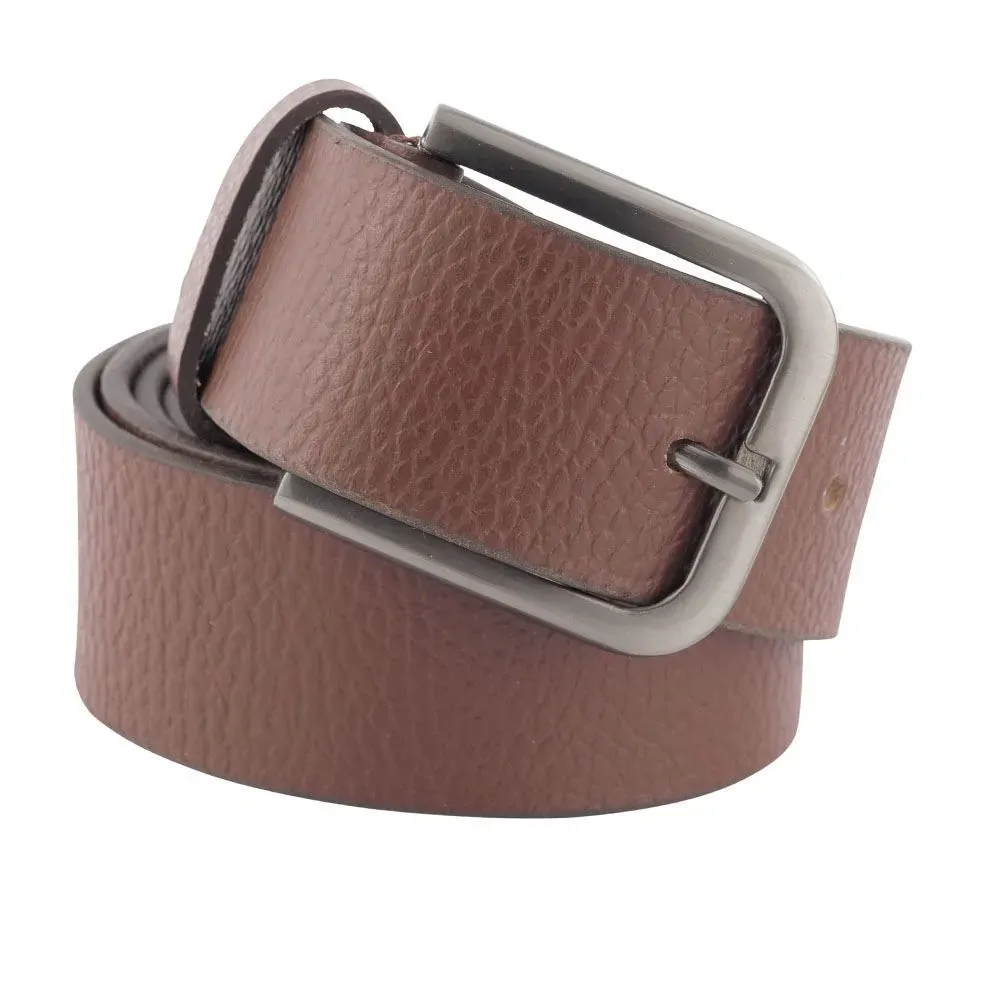
A leather belt may seem like a small part of an outfit, but it can make a noticeable difference to the overall appearance. It connects the upper and lower halves of an outfit, adds a finishing detail, and helps trousers sit comfortably. For men who want to dress well without buying an entirely new wardrobe, learning to style a leather belt with different clothing is a practical place to start.
The right mens leather belt can complement a tailored suit, add structure to chinos, or bring a polished finish to jeans and a simple shirt. Colour, buckle design, leather texture, and belt width all influence how well it works with an outfit. Choosing these details carefully makes it easier to create combinations that look considered rather than accidental.
Match Your Belt to the Occasion
The setting should guide your belt choice. Formal occasions usually call for a restrained design, while casual outfits allow more freedom with colour, texture, and buckle style.
Dressing for Formal Events
A slim leather belt in black or dark brown is a reliable option for business meetings, weddings, formal dinners, and other occasions that require tailored clothing. Smooth leather and a modest metal buckle create a clean appearance without drawing attention away from the suit.
For a traditional black suit, choose a black leather belt with a simple silver or dark metal buckle. Brown suits and navy tailoring can work well with dark brown leather, depending on the shoes and other accessories. The aim is to create a coordinated appearance rather than introduce an unrelated colour.
Belt width matters here. A formal belt should generally be narrower than a casual one, with a buckle that sits neatly between the belt loops. Oversized buckles, distressed finishes, and decorative stitching can look out of place with a structured suit.
Keeping Casual Outfits Relaxed
Casual clothing gives you more room to experiment. Medium-width leather belts work well with denim, chinos, casual trousers, and everyday shirts. A slightly textured or distressed finish can add character without making the outfit look untidy.
A brown leather belt pairs naturally with blue jeans and a white T-shirt. For a darker outfit, a black belt can complement black denim, a charcoal shirt, or a casual jacket. Tan leather works particularly well with lighter chinos, olive trousers, and earthy colours.
The buckle can also be more expressive in casual settings. Brushed metal, aged brass, or a slightly larger design may suit relaxed clothing, provided the proportions remain balanced.
Coordinate the Belt with Your Shoes
Matching a belt to your shoes is one of the simplest ways to create a well-planned outfit. The colours do not have to be identical, but they should belong to a similar colour family.
Black leather shoes generally work best with a black leather belt. Dark brown shoes pair comfortably with a dark brown belt, while tan footwear can be matched with a lighter brown or cognac belt.
For casual clothing, the rules are more flexible. White trainers do not always require a white belt, and canvas shoes do not need to match a leather accessory. A brown belt can work perfectly well with white trainers, blue jeans, and a neutral shirt because the overall combination feels balanced.
Pay attention to the finish, too. Polished leather shoes often look best alongside a relatively smooth belt. Suede footwear may pair well with textured leather, although matching the exact material is unnecessary. Consistency matters more than perfect duplication.
Choose the Right Leather Colour
Colour affects how frequently a belt can be worn and how easily it fits into an existing wardrobe.
Black leather: A practical choice for formal trousers, black jeans, office wear, and evening outfits. It creates a sharp finish and pairs particularly well with monochrome clothing.
Dark brown leather: A versatile option for navy trousers, blue denim, beige chinos, and brown footwear. It can move between smart-casual and formal settings with little effort.
Tan and cognac leather: These lighter shades add warmth to casual outfits. They work especially well with cream, olive, denim blue, and other natural colours.
Burgundy leather: A distinctive alternative for men who prefer subtle colour. It pairs well with navy, grey, charcoal, and selected shades of brown.
Building a small collection around black and brown is often more useful than buying several unusual colours. Once those basics are covered, a lighter or more distinctive belt can provide variety.
Get the Width and Fit Right
A belt should hold trousers comfortably without bunching the waistband or leaving excessive loose material. The correct length allows the buckle to fasten securely, with the end passing through the first belt loop without extending too far.
For a formal outfit, choose a relatively narrow belt that fits the trouser loops and complements the tailored cut. Casual trousers and jeans can accommodate wider belts, especially when the denim has substantial fabric and larger loops.
The buckle should also suit your build and clothing. A large buckle may dominate a slim outfit, while an extremely small buckle can look lost with heavy denim. Consider the overall proportions rather than choosing a design based on appearance alone.
A useful fitting guide is to fasten the belt around the middle holes. This leaves room for small changes in fit and avoids relying on the tightest or loosest setting from the beginning.
Wear a Leather Belt with Chinos and Denim
Chinos sit between formal trousers and jeans, making them ideal for smart-casual combinations. A dark brown belt, pale blue shirt, beige chinos, and loafers create a suitable outfit for dinner, a relaxed office, or a social event.
For a more casual combination, pair dark denim with a brown leather belt, a plain T-shirt, and a lightweight overshirt. The belt adds definition at the waist while keeping the outfit relaxed.
Texture can help create interest without introducing too many colours. A lightly grained belt works well with denim, knitwear, and cotton shirts. Smooth leather is a better choice for outfits built around clean lines and minimal detailing.
Avoid making every accessory equally noticeable. If the belt has a large buckle, keep the watch and other details relatively understated. A simpler belt allows more freedom with patterned shirts, textured jackets, or statement footwear.
Consider the Rest of Your Accessories
A belt does not need to match every accessory, but related finishes can make an outfit feel more cohesive. A silver belt buckle may work well with a silver watch case, while a brass buckle can complement warm-toned accessories.
Leather goods can also be coordinated. A brown belt paired with a brown wallet or leather bag creates a consistent look, particularly when the shades are similar. Exact colour matching is less necessary for casual outfits, where contrast can add character.
The clothing itself should remain the main focus. Avoid adding too many competing details through contrasting stitching, oversized logos, bright buckles, and heavily textured leather at the same time.
Care for Your Belt to Preserve Its Appearance
Good styling starts with an accessory that remains in sound condition. Wipe the belt with a soft, dry cloth after regular use to remove dust and surface marks. If it becomes damp, allow it to dry naturally away from radiators and direct sunlight.
Use a leather cleaner or conditioner suited to the specific leather finish, following the manufacturer’s instructions. Excessive conditioning can leave residue or alter the appearance of certain finishes, so apply products sparingly.
Store belts in a cool, dry place. Hanging them vertically or rolling them loosely can help prevent sharp creases. Avoid folding a leather belt tightly around the buckle for long periods, as repeated pressure can damage the surface.
Inspect the buckle and fastening holes occasionally. A belt that has stretched significantly or developed deep cracks may no longer provide a neat finish, even if the buckle remains attractive.
Build a Versatile Belt Collection
A practical collection does not need to be large. One black formal belt, one dark brown everyday belt, and one casual tan or textured option can cover most wardrobe requirements.
Choose designs that work with clothing you already own. A belt that coordinates with several pairs of trousers and shoes will receive more use than one bought for a single outfit.
The most successful styling choices are often the simplest. A suitable colour, sensible width, comfortable fit, and understated buckle allow a men’s leather belt to work across formal events, office clothing, and relaxed weekend outfits. Paying attention to these details helps the accessory earn its place in the wardrobe.
