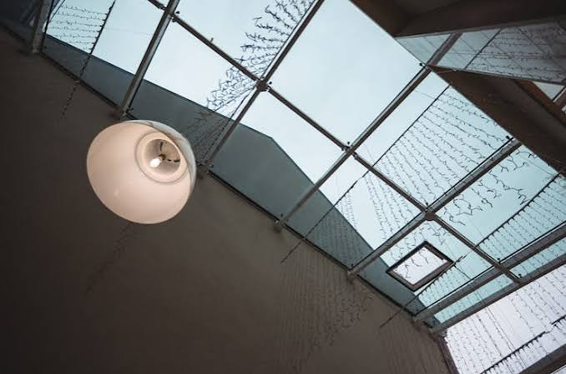
Adding a rooflight can change how a room feels by bringing natural daylight into spaces that might otherwise depend heavily on artificial lighting. Kitchens, loft conversions, stairwells, extensions, and open-plan living areas can all benefit from carefully positioned roof glazing. However, the quality of the finished installation depends on more than the rooflight itself. Product specifications, roof compatibility, weather protection, energy performance, and after-sales support all deserve attention.
Comparing rooflight suppliers before starting a renovation or new-build project helps homeowners, architects, and builders make informed decisions. The right supplier should offer products suited to the building, clear technical information, dependable delivery, and practical guidance throughout the purchasing process.
Begin With the Requirements of Your Project
Before requesting prices, establish where the rooflight will be installed and what you want it to achieve. A rooflight intended to brighten a dark hallway may have different requirements from one installed above a kitchen island or within a bedroom extension.
Consider the dimensions of the room, the roof structure, the direction the roof faces, and the amount of daylight already available. Roof pitch also matters because different products are designed for flat roofs, pitched roofs, or particular installation angles.
Think about ventilation, too. A fixed rooflight provides daylight without opening, while an opening model can help release warm air and improve airflow when the surrounding ventilation strategy supports it.
Writing down these requirements makes supplier comparisons more useful. Instead of comparing unrelated products, you can assess which options suit the building and its intended use.
See also: How Fleet Maintenance Services Extend the Life of Commercial Vehicles
Compare Product Quality and Available Designs
Rooflights are available in several designs, including fixed units, opening roof windows, flat-roof rooflights, and larger glazed systems. Frame materials, glazing configurations, opening mechanisms, and finishes can vary considerably between products.
Ask suppliers for detailed product specifications rather than relying only on photographs or short descriptions. Check the frame construction, glazing type, dimensions, opening method, and compatibility with the intended roof.
The glass should suit the project’s performance requirements. Double or triple glazing may be appropriate depending on the building design, local climate, and energy targets. Some products also use coatings or specialist glazing to manage solar heat gain, reduce heat loss, or improve privacy.
Inspect the available sizes and design options. Standard dimensions may be more economical and easier to source, while unusual openings might require a made-to-measure unit. Confirm the finished external dimensions and the structural opening required before construction begins.
Look Beyond the Initial Price
Price is a useful starting point, but the cheapest rooflight may not offer the best overall value. A meaningful comparison should include the product cost, delivery, installation requirements, accessories, and any additional building work.
One supplier may include flashing kits, fixings, or other essential components in the quoted price, while another may charge for them separately. Ask for an itemised quotation so the full cost can be compared accurately.
Installation expenses also depend on the roof structure and the complexity of the work. Creating a new opening may require structural alterations, additional insulation, internal finishing, and professional installation. Replacing an existing rooflight may involve less work, although the surrounding roof still needs to be checked.
Ask about maintenance requirements and the availability of replacement parts. A product with a slightly higher purchase price may prove more economical if its components are accessible and its maintenance needs are manageable.
Check Thermal Performance and Weather Protection
A rooflight forms part of the building envelope, so it must help manage heat loss, solar gain, and moisture. Poorly selected or incorrectly installed roof glazing can contribute to draughts, condensation, and water ingress.
Review the manufacturer’s declared thermal performance, including the whole-window U-value where available. Lower U-values generally indicate better insulation, although the appropriate specification depends on the complete building design and applicable regulations.
Ask how the rooflight is designed to resist rainwater and how it should be integrated with the roof covering. Flashing details, drainage paths, seals, and installation instructions are all relevant. A product intended for one roof type should not be assumed suitable for another without confirmation.
Condensation can also become a concern if warm indoor air reaches cold surfaces or moisture accumulates around the opening. Correct insulation, airtightness, and ventilation help reduce this risk. The supplier should provide installation guidance that supports proper detailing rather than leaving these decisions to guesswork on site.
Review Energy Efficiency and Building Compliance
Natural daylight can reduce the need for electric lighting during the day, but a rooflight’s energy performance depends on more than the amount of glass. Heat loss, solar gain, orientation, shading, and room use all affect the result.
For a south-facing or otherwise sun-exposed roof, solar-control glazing may help manage overheating. In a shaded area, maximising daylight could be the greater priority. Discuss the building’s requirements with the designer or installer before selecting a specification.
Ask suppliers for relevant test data, declarations, certifications, and documentation showing how the product performs. Check that the proposed rooflight is suitable for the applicable building regulations and project requirements in your location. Requirements can vary by jurisdiction and by the nature of the work.
For a new build, coordinate the product specification with the architect and energy assessor early in the design process. For a renovation, establish whether the existing roof structure and insulation need upgrades before installation.
Assess Delivery Times and Stock Availability
A suitable product can still cause project delays if it arrives late. This is particularly important when roof openings have already been created or when a builder’s schedule depends on the roof being made weatherproof promptly.
Ask whether the required size is held in stock or manufactured to order. Confirm the estimated dispatch date, delivery arrangements, and what happens if production or transport is delayed.
Made-to-measure products may need a longer lead time, so measurements should be confirmed before the order is placed. Check who is responsible for verifying dimensions and whether changes are possible after manufacturing begins.
Delivery conditions deserve attention as well. Rooflights can be bulky or fragile, and the site needs a suitable area for unloading and secure storage. Agree on delivery access with the builder and inspect the product for visible damage as soon as it arrives.
Examine Warranties and Customer Support
A supplier’s service should not end when the product is dispatched. Clear warranty terms and accessible technical support can make a difference if questions arise during installation or after the rooflight has been in use.
Read the warranty document carefully. Check what is covered, how long the coverage lasts, and whether it applies to the glazing, frame, operating hardware, or seals. Some warranties may depend on correct installation, approved components, or specified maintenance procedures.
Ask how technical queries are handled. Can the supplier provide installation drawings, product data sheets, and guidance for unusual roof details? Is there a clear process for reporting damaged deliveries or requesting replacement components?
Customer reviews may offer useful information about communication, delivery accuracy, and problem resolution. Look for specific descriptions of customer experiences rather than relying only on star ratings or broad promotional claims.
Choose a Supplier That Works Well With Your Builder
Good coordination between the supplier, designer, and installer reduces the risk of mismatched dimensions or missing components. Before ordering, share the product information with the contractor responsible for fitting the rooflight.
Confirm who will measure the opening, prepare the roof, install the flashing, complete the insulation, and finish the internal surfaces. These responsibilities should be clear before work begins.
For a complex roof design, ask whether the supplier can provide technical drawings or installation details for the project team. A supplier that responds promptly and explains product limitations can help the builder identify issues before they become expensive site problems.
Requesting comparable quotations from several rooflight suppliers gives you a clearer view of the available options. Use the same basic specifications for each enquiry so that differences in price, performance, delivery, and support can be assessed fairly.
Make the Decision Before Construction Reaches the Roof
Rooflight selection is easier when it happens during the planning stage rather than after the roof structure is complete. Early decisions allow the architect or builder to account for the opening, structural support, insulation, waterproofing, and internal finishes.
The right product should suit the building, meet its performance requirements, and arrive when the project needs it. Before placing an order, review the technical specification, complete quotation, warranty conditions, delivery estimate, and installation requirements together.
Careful comparison helps homeowners avoid choosing a rooflight on appearance or price alone. A well-matched product, supported by reliable technical information and a capable installation team, can bring lasting daylight into the home while helping protect the roof from avoidable problems.
