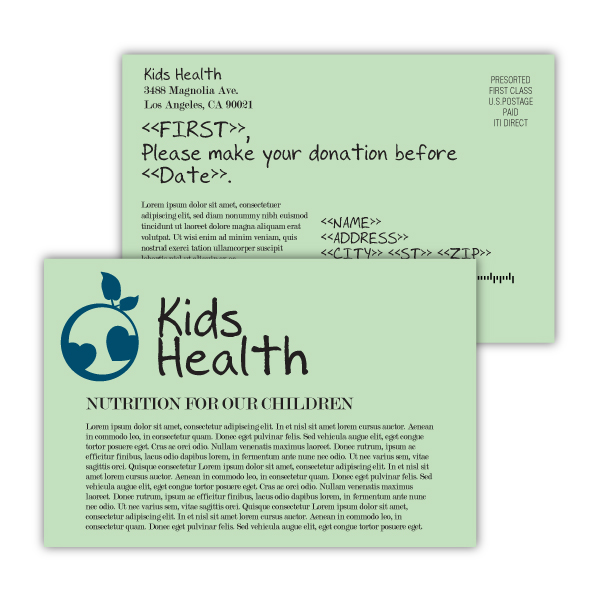
How Postcard Marketing Works
Postcard marketing works by identifying a relevant audience, creating a clear and persuasive design, delivering postcards to selected addresses, and measuring the responses generated by the campaign. Businesses use this direct mail method to promote services, announce offers, reach local customers, and encourage specific actions, such as visiting a website or requesting information. Effective postcard marketing services connect these steps into a coordinated process, helping businesses send relevant messages and evaluate their results. With support from iti Direct Mail, organizations can plan campaigns around audience needs, practical design choices, accurate mailing data, and measurable response goals.
Start With Audience Targeting
A postcard campaign begins with deciding who should receive the message. Sending the same promotion to every household or business can waste mailing resources and reduce relevance. Audience targeting helps businesses focus on people whose location, interests, purchasing behavior, or professional needs align with the offer.
The targeting method depends on the campaign objective. A neighborhood restaurant might reach households near its location, while a commercial service provider may focus on businesses within a defined service area. A company promoting a new product could use its existing customer records to identify people who have purchased related products.
Businesses can build a mailing audience using several methods:
- Geographic targeting: Select postal routes, ZIP codes, neighborhoods, or business districts that match the service area.
- Customer list targeting: Use permissioned customer records and relevant purchase history to reach existing or previous customers.
- Demographic and business targeting: Apply suitable demographic criteria or business characteristics, such as industry and company type, when reliable data is available.
Audience quality matters more than list size alone. Businesses should remove duplicate records, correct incomplete addresses, and review outdated information before sending a campaign. For US mailings, address validation and applicable postal requirements help reduce delivery problems. Marketing teams should also follow relevant privacy rules and respect applicable opt-out requests when using customer information.
Create a Postcard Design That Communicates Quickly
A postcard gives readers limited space, so the design must communicate the main message without unnecessary detail. A recipient should be able to recognize the offer, understand its relevance, and identify the next step with minimal effort.
Begin with one clear objective. A postcard promoting a home maintenance service, for example, might focus on scheduling an inspection rather than listing every service the company provides. A retailer announcing a new location could emphasize the address, opening offer, and directions.
Strong postcard design usually includes four elements:
A clear headline: State the main benefit or announcement in direct language. Specific wording helps readers understand the message immediately.
Relevant visuals: Use product photographs, service images, or simple graphics that support the offer. Decorative images that compete with the message can make the postcard harder to read.
Concise supporting copy: Explain what the business offers, who it serves, and why the recipient might respond. Keep the text focused on useful information instead of broad claims.
A visible call to action: Tell recipients exactly what to do next, such as scanning a QR code, visiting a landing page, calling a number, or presenting a printed offer.
Readability also depends on contrast, font size, spacing, and layout. Essential details should remain easy to find, including the business name and relevant contact information. The mailing side must leave the required space for addressing, postage, and postal markings. Working with a business postcard printing provider that understands these requirements helps ensure the finished piece supports both the marketing message and the mailing process.
Prepare the Printing and Mailing Details
Once the design is approved, the campaign moves into production. This stage connects the artwork, recipient data, print specifications, and mailing requirements. Errors at this point can affect delivery or make the campaign appear unprofessional.
The business should check the final proof carefully before authorizing production. Review spelling, telephone numbers, website addresses, QR codes, promotional terms, and mailing details. A QR code should lead directly to the intended page and work on common mobile devices.
Print specifications should suit the campaign’s purpose. Paper weight, finish, dimensions, color quality, and image resolution influence how the postcard looks and feels. The selected format must also meet the requirements of the intended postal service. A design that looks attractive on screen may need adjustments to preserve legibility and comply with mailing specifications.
A coordinated postcards mailing service can help manage address files, printing instructions, sorting, postage preparation, and dispatch. Businesses should confirm who is responsible for each step, particularly when several teams or suppliers handle the same campaign. Clear responsibilities reduce the risk of mismatched mailing lists, incorrect versions, or incomplete delivery preparations.
Deliver Postcards to the Intended Recipients
Delivery is more than handing printed cards to a postal operator. The mailing list, addressing format, postal class, sorting method, and destination all affect how a campaign enters the postal system.
For campaigns in the United States, businesses may use targeted address lists or eligible Every Door Direct Mail (EDDM) routes. EDDM allows qualifying mailers to reach addresses along selected postal routes without supplying an individual recipient list for every card. It can suit neighborhood promotions, local service announcements, and store openings. However, route selection should reflect the actual service area, and the mailing must meet USPS eligibility and preparation rules.
Addressed campaigns offer more control over the recipient selection process. A business can use its customer database or a properly sourced mailing list to reach selected households or organizations. This option is useful for business-to-business outreach, customer retention, and promotions aimed at defined audience segments.
Before dispatch, the team should verify that the mailing list matches the approved campaign, the addresses are formatted correctly, and the postcard meets the destination postal service’s specifications. Businesses mailing internationally should also check the applicable destination country’s postal requirements.
A postcard mailer service can coordinate these operational details, allowing the marketing team to concentrate on audience relevance and campaign objectives. However, mailing providers should not promise that every piece will reach its recipient or generate a response. Undeliverable mail, address changes, and recipient behavior remain outside a campaign’s complete control.
Track Responses With Measurable Campaign Elements
Postcard delivery shows that a campaign has entered the mailing process, but it does not establish how many recipients acted on the message. Response tracking connects the physical postcard to measurable customer activity.
The tracking method should match the call to action. If the postcard encourages recipients to visit a website, the business can use a campaign-specific landing page and tagged URL. If it promotes a telephone inquiry, a dedicated tracking number can help attribute calls to the mailing. A unique coupon code can identify redemptions linked to a particular campaign.
Useful tracking methods include:
- Unique QR codes and URLs: Record visits generated by the postcard and connect them to relevant website activity.
- Dedicated phone numbers or offer codes: Attribute inquiries, calls, and redemptions to a specific mailing.
- CRM records and campaign tags: Connect incoming leads, appointments, or sales to the campaign when reliable attribution data is available.
Tracking should distinguish between engagement and business outcomes. A QR code scan indicates an interaction, but it does not necessarily mean the recipient became a customer. Similarly, a website visit may lead to a later phone call rather than an immediate online conversion.
Businesses can compare response rates, qualified leads, completed purchases, and revenue attributed to the campaign. A basic response rate is calculated by dividing the number of identifiable responses by the number of postcards mailed, then multiplying by 100. For example, 80 recorded responses from 4,000 mailed postcards represent a 2% response rate.
This figure becomes more useful when interpreted alongside the campaign objective and the quality of the responses. A campaign that generates fewer inquiries but attracts well-qualified prospects may deliver more business value than one producing many low-quality responses.
Use Campaign Results to Improve Future Mailings
The first mailing provides information that can guide later decisions. Businesses should examine which audience segments responded, which offers generated qualified inquiries, and which calls to action received meaningful engagement.
For clearer comparisons, change one major campaign element at a time when practical. A business could compare two headlines while keeping the audience, offer, and mailing format consistent. Alternatively, it could test separate geographic segments using the same creative design. This makes it easier to identify which difference may have influenced the outcome.
Response tracking also has limitations. Some recipients may respond through channels that are not directly tracked, while others may interact with several marketing channels before making a purchase. Privacy settings, incomplete tracking, and delayed purchasing decisions can further affect attribution. Businesses should interpret the available data carefully rather than crediting every sale to a postcard.
With a structured reporting process, iti Direct Mail can support the planning and execution of direct mail campaigns that connect audience selection, production, delivery, and response measurement. The value lies in using campaign findings to make better-informed decisions about future mailings.
Turn Postcard Mailings Into a Measurable Marketing Process
Successful postcard marketing depends on more than an attractive design or a large mailing list. It requires a relevant audience, a message that communicates a clear benefit, accurate production and delivery details, and a practical way to measure recipient actions. Each stage contributes to the quality of the campaign and the usefulness of its results.
If your organization needs support coordinating printing, mailing, and campaign tracking, get in touch with us at iti Direct Mail to discuss your objectives and plan a mailing strategy that fits your audience and marketing needs. Businesses that treat postcard marketing as a measurable process can identify which messages attract attention, which audiences generate qualified leads, and which actions contribute to business goals.
