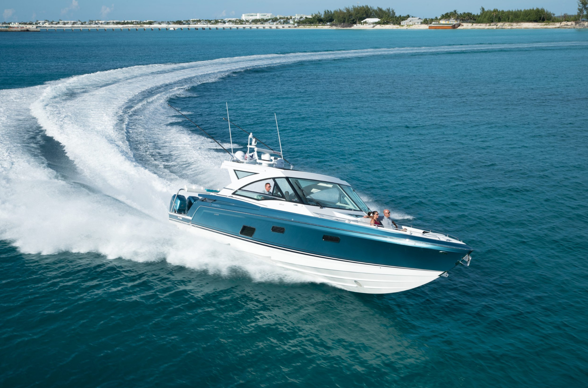
Boats face regular exposure to sunlight, saltwater, humidity, rain, and airborne dirt. These conditions can gradually affect exterior finishes, metal fittings, windows, and interior materials. Regular boat detailing helps remove built-up dirt, improve the appearance of suitable surfaces, and keep routine maintenance manageable.
Boat detailing involves more than a basic wash. Depending on the vessel’s condition, it may include exterior cleaning, polishing, interior care, and the application of suitable protective products. Each surface requires the right method to avoid scratches, fading, or damage. Understanding these services helps boat owners decide which type of care their vessel needs and how often maintenance should be scheduled.
Why Do Boats Need More Than a Basic Wash?
A quick rinse can remove loose dirt, but it may not address oxidation, stubborn water spots, or residue around fittings. Salt and grime can collect in narrow gaps, while prolonged sunlight can gradually dull exposed surfaces. A more detailed cleaning routine addresses these issues with methods suited to the boat’s materials.
Regular maintenance also makes it easier to inspect the vessel. Clean surfaces help reveal stains, worn coatings, and visible signs of corrosion that might otherwise go unnoticed. Early attention can help prevent minor maintenance concerns from becoming more difficult to manage.
The Effects of Saltwater and Sunlight
Salt residue can remain on the hull, deck, railings, and metal fittings after a boat has been used. As water evaporates, deposits may leave visible marks and contribute to corrosion on susceptible metals. Rinsing and cleaning these areas regularly helps reduce the amount of residue left behind.
Sunlight creates a separate concern. Ultraviolet exposure can fade colours and affect certain coatings, plastics, and upholstery materials. Gelcoat may lose its shine or develop a chalky appearance over time. Suitable cleaning and protective treatments can help maintain these surfaces, although badly damaged finishes may require specialist restoration.
Moisture Inside the Vessel
Moisture can collect around seat seams, inside storage compartments, and in areas with limited airflow. These conditions may encourage mildew, stains, and unpleasant smells. Simply cleaning the visible surface may not solve a recurring problem if the underlying source of moisture remains.
After washing, allow suitable surfaces to dry and ventilate enclosed spaces. Check for leaks and blocked drainage points when dampness persists. These simple checks support good boat care and help identify problems that need attention beyond detailing.
What Does Professional Boat Detailing Usually Include?
The exact detailing process depends on the boat’s size, surface materials, current condition, and maintenance history. Some vessels need routine washing, while others may require polishing or more detailed interior cleaning. An assessment helps identify the work needed without applying unnecessary treatments.
A detailing service may cover the exterior, windows, metal fittings, seats, and accessible interior areas. Cleaning products and tools should be selected for each material. Proper technique matters because aggressive scrubbing or unsuitable chemicals can damage finishes rather than improve them.
Exterior Washing and Polishing
Exterior detailing often begins with removing loose dirt and salt from the hull, deck, and other exposed surfaces. A suitable marine cleaner and soft tools can help lift grime while reducing the risk of scratches. Attention should also be given to corners, fittings, seams, and other areas where deposits accumulate.
Polishing may be appropriate when gelcoat or painted surfaces appear dull or oxidised. The correct compound and polishing method depend on the condition of the finish. A compatible wax or protective product may then help reduce contamination and make future cleaning easier. Polishing cannot repair deep cracks or structural damage, which require separate assessment.
Metal, Glass, and Interior Surfaces
Metal fittings need cleaning methods suited to their material and finish. Removing salt residue helps limit deposits, while careful drying can reduce water marks. Windows and clear plastic panels require gentle treatment because abrasive tools may leave scratches or cloud the surface.
Interior detailing may include cleaning vinyl seats, wiping hard surfaces, removing dirt from storage areas, and treating suitable upholstery. Different materials need different products. Following the manufacturer’s care instructions helps reduce the risk of fading, cracking, or other damage during cleaning.
What Should You Know About Boat Detailing in Palm Beach Gardens?
Palm Beach Gardens boat owners must consider the effects of strong sunshine, humidity, rain, and saltwater exposure when planning regular vessel care. These conditions can affect exterior finishes and interior materials, particularly when a boat is stored outdoors or used frequently.
Professional Boat Detailing in Palm Beach Gardens can address cleaning needs that go beyond a quick rinse. Before arranging a service, consider the vessel’s size, its current condition, and the areas that need attention. A clear discussion about the work helps establish realistic expectations and identifies suitable cleaning methods.
Choosing a Service That Fits Your Boat
Start by asking which areas are included in the service. Some detailing appointments focus on exterior washing, while others may cover interior cleaning, polishing, and protective treatments. Confirm whether windows, metal fittings, seats, and other specific areas are included in the quoted work.
Explain any concerns, such as stubborn water spots, oxidation, stained upholstery, or visible corrosion. Ask which products will be used and whether they are suitable for the boat’s surfaces. It is also helpful to discuss the expected duration of the appointment and any preparation needed before the work begins.
Why Surface-Specific Care Matters
Different boat materials require different cleaning methods. Fibreglass, painted surfaces, vinyl, clear plastics, and polished metals can react differently to chemicals and abrasive tools. A product that works well on one material may damage another.
Ask whether the proposed method is suitable for the vessel’s finishes. If the boat has deep stains, damaged coatings, or signs of corrosion, find out whether detailing can address the issue or if specialist repair is needed. This distinction helps avoid treatments that may not solve the underlying problem.
For information about available services or to discuss your vessel’s maintenance needs, visit the Ocean Breeze Yacht Service & Detailing contact page.
How Can You Maintain Your Boat Between Detailing Appointments?
Routine care between professional appointments helps limit the buildup of salt, dirt, and moisture. Small tasks completed regularly can make later cleaning easier and help preserve the appearance of the vessel. The best routine depends on usage, weather exposure, and storage conditions.
After outings, rinse suitable exterior surfaces with fresh water according to the manufacturer’s recommendations. Remove loose dirt with appropriate tools, clean spills promptly, and wipe away excess water where spots tend to form. Keep drainage openings clear and allow damp interior areas to dry.
Use Suitable Cleaning Products
Choose products designed for the specific marine surface being cleaned. Check product labels before use, and follow instructions for application, rinsing, and protective equipment. Avoid mixing chemicals or using harsh household cleaners on surfaces that may be sensitive to them.
Soft cloths and non-abrasive tools are generally preferable for delicate finishes. If a mark remains after ordinary cleaning, identify its likely cause before trying a stronger product. This reduces the chance of damaging the surface while attempting to remove the stain.
Protect the Boat During Storage
A suitable cover can reduce exposure to sunlight, leaves, and airborne dirt. It should fit properly and allow adequate airflow to limit condensation. Trapped moisture may contribute to mildew, particularly in enclosed storage spaces.
Check cushions, compartments, and other areas where water can remain unnoticed. If dampness keeps returning, inspect for possible leaks or drainage issues. Correcting the source is more effective than repeatedly cleaning the same area.
Conclusion
Boat detailing helps keep a vessel clean and supports the care of its exterior finishes, fittings, and interior materials. Regular maintenance, suitable products, and careful cleaning methods can reduce avoidable wear and make routine upkeep easier.
For boat owners in Palm Beach Gardens, the right detailing schedule depends on the vessel’s condition, use, and exposure to the elements. Pay attention to changes in surface appearance and seek specialist advice when damage requires more than cleaning.
See also: Honda Bike Covers for Reliable Motorcycle Protection and Care
Frequently Asked Questions
1. How often should a boat receive professional detailing?
The frequency depends on how often the boat is used, where it is stored, and its exposure to saltwater and sunlight. Routine rinsing may be needed after outings, while polishing and deeper cleaning can be scheduled according to the vessel’s condition.
2. What is the difference between boat washing and boat detailing?
Boat washing generally removes loose dirt, salt, and everyday grime. Detailing may involve more thorough cleaning, polishing, interior care, and suitable protective treatments, depending on the selected service.
3. Can boat detailing remove oxidation?
Suitable polishing methods can improve some forms of oxidation on gelcoat and painted surfaces. The result depends on the depth of oxidation and the condition of the finish. Severe deterioration may require specialist restoration.
4. Where can I find Ocean Breeze Yacht Service & Detailing?
Visit Ocean Breeze Yacht Service & Detailing to learn about its services, including Boat Detailing in Palm Beach Gardens. Contact the company to discuss your vessel’s condition and the type of detailing it may need.
5. Can detailing protect a boat from future damage?
Appropriate cleaning and protective treatments can help reduce surface contamination and maintain certain finishes. However, detailing cannot prevent all damage or replace mechanical maintenance, inspections, and repairs when needed.
