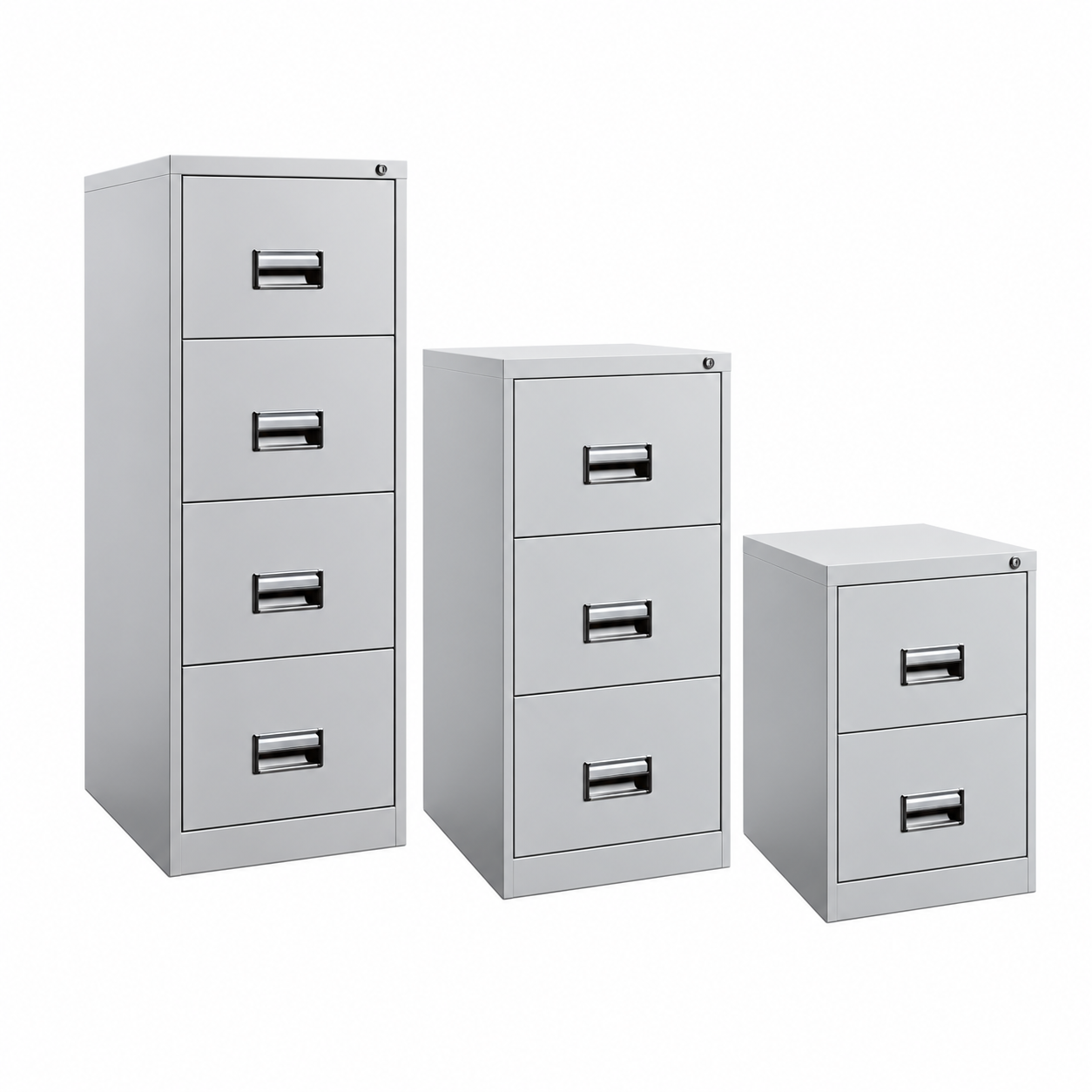
Keeping office documents organised helps employees find information quickly, protect important records, and maintain a tidy workspace. The right filing cabinets can provide secure storage for contracts, invoices, personnel files, and other business documents while making better use of available office space.
Choosing office storage requires more than measuring the space beside a desk. Cabinet size, material, drawer capacity, locking systems, and daily access needs all affect how well a storage unit works. Understanding these factors can help businesses select furniture that supports their workflow and keeps documents in order.
Why Does Your Office Need Proper Filing Cabinets?
Paper documents remain part of many business processes, even in offices that use digital systems. Signed agreements, printed reports, financial records, and confidential paperwork may need to be stored for reference or compliance purposes.
A suitable filing system gives each document a clear place and reduces unnecessary searching. It can also help maintain privacy by keeping sensitive information inside locked storage rather than on desks or open shelves.
Keep Documents Organised and Accessible
A filing cabinet allows documents to be arranged by department, date, document type, or reference number. Consistent labelling helps employees return files to the correct location after use.
Choose a filing arrangement that matches how your team works. Frequently accessed records should be easy to reach, while archived documents can be stored in less accessible drawers or designated storage areas.
Protect Important and Confidential Records
Business documents may contain personal details, financial information, or confidential company records. A cabinet with a suitable locking system can help restrict access to authorised staff.
Locks are only one part of document security. Establish clear rules for handling keys, sharing access, and returning files after use. Sensitive records should be stored according to your organisation’s privacy and retention requirements.
What Types of Filing Cabinets Can You Choose?
Office cabinets come in different sizes and configurations to suit different storage needs. The right design depends on the documents being stored, the space available, and how often staff need to access the contents.
Before purchasing, consider the volume of paperwork your office produces and whether the storage system needs to support ongoing filing or long-term archiving. This assessment can help prevent a cabinet from becoming overcrowded shortly after installation.
Vertical Filing Cabinets
Vertical filing cabinets have drawers arranged one above another and usually take up less floor width than wider alternatives. They can be suitable for offices with limited space where employees need to store documents in a compact footprint.
Check the drawer depth and internal dimensions before purchasing. The cabinet should accommodate your folders without forcing staff to bend documents or overcrowd the drawers.
Lateral Filing Cabinets
Lateral cabinets have wider drawers that allow files to be arranged from side to side. Their layout can make it easier to view labels and organise large groups of documents.
They may suit departments that need regular access to multiple folders. However, wider cabinets require sufficient floor space, and fully extended drawers need clearance for safe access.
Mobile Filing Cabinets
Mobile cabinets are generally smaller storage units fitted with wheels. They can be placed near workstations to keep frequently used files within reach and moved when the workspace needs to be rearranged.
Check the wheel quality, stability, drawer capacity, and locking features. A mobile cabinet should be used on a suitable surface, and its wheels should be secured when the unit is stationary, where locking casters are provided.
How to Select Filing Cabinets in Singapore
When comparing filing cabinets in Singapore, consider the working conditions of your office, the available floor area, and the amount of paperwork that needs to be stored. Singapore offices may have compact layouts, so measuring the intended location before buying is useful.
Also consider the cabinet’s material, finish, drawer movement, and security features. Comparing these practical details can help you choose a storage unit that fits your daily requirements rather than focusing only on its appearance.
Metal Cabinets for Everyday Office Use
Metal filing cabinets are commonly used in offices because they provide a firm structure for document storage. Steel construction can offer good durability when the cabinet is made and maintained properly.
Inspect the finish, drawer runners, handles, and locking mechanism. The cabinet should feel stable during normal use, and the drawers should open and close without unnecessary resistance.
Check Size and Storage Capacity
Measure the cabinet’s height, width, and depth, then compare these measurements with the available space. Leave enough room to open drawers fully and allow employees to move safely around the unit.
Think about both current and future storage needs. A cabinet with too little capacity can lead to overcrowded drawers, while a unit that is too large may take up space needed for other office activities.
Consider Security and Ease of Use
Look for locks that suit the type of documents being stored. Some offices may need a lock for the entire cabinet, while others may prefer separate locking arrangements for specific drawers, depending on the available product design.
Drawer handles, smooth runners, and clear labelling also affect everyday use. If several employees will access the cabinet, choose a layout that makes filing and retrieving documents straightforward.
Where Should Filing Cabinets Be Placed?
Cabinet placement affects access, safety, and the efficient use of office space. A well-positioned unit should allow employees to retrieve files without blocking walkways, doors, or emergency exits.
Before installation, check the floor area, nearby furniture, and the direction in which the drawers open. Consider how staff move through the room and whether the cabinet will interfere with normal work.
Make Good Use of Available Space
Place frequently used cabinets near the departments or employees who need them most. Keep walkways clear and avoid positioning drawers where they could obstruct office doors or create a trip hazard when open.
Tall cabinets should be installed according to the manufacturer’s instructions. Where required, secure them against tipping, especially if the unit may become unstable when drawers are extended.
Maintain a Practical Filing System
Use consistent labels and assign specific categories to drawers. Keep current documents separate from archived records so employees can find the right files without searching through unrelated paperwork.
Review stored documents regularly and follow your organisation’s retention policy before disposing of records. This helps control clutter and preserves documents that must be retained.
Book an Appointment or Enquire About Office Storage
Selecting office furniture is easier when you know your storage requirements, measurements, and preferred cabinet style. Reviewing the available products can help you compare suitable options for your workspace.
Visit Avios Solution to explore office furniture and filing cabinet options. You can enquire about suitable products and confirm dimensions, available features, and other details before making a purchase.
Frequently Asked Questions
1. What is the best material for office filing cabinets?
Metal cabinets are a common choice for everyday office storage because they offer a sturdy structure and can withstand regular use. The best option depends on the cabinet’s build quality, finish, capacity, and intended environment.
2. How do I choose the right filing cabinet size?
Measure the available floor space and check the cabinet’s dimensions, drawer depth, and clearance requirements. Estimate the number of folders you need to store and allow room for future paperwork.
3. Are metal filing cabinets suitable for confidential documents?
They can be suitable if they include an appropriate locking system and are used with clear access controls. For highly sensitive records, consider your organisation’s security requirements in addition to the cabinet itself.
4. Where can I find filing cabinets from Avios Solution?
You can visit Avios Solution to review its office furniture range and available filing cabinet options. Confirm product dimensions, locking features, and availability directly with the supplier.
5. How can I maintain a filing cabinet?
Clean the exterior with a suitable cleaning product, avoid overloading drawers, and check handles, runners, and locks periodically. Follow the manufacturer’s maintenance instructions and keep the cabinet stable during use.
