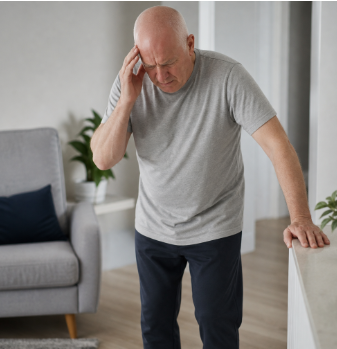
Cancer treatment saves lives, but it often leaves patients dealing with unexpected side effects that extend far beyond the immediate recovery period. Among the most disorienting and under-discussed complications are balance disorders, dizziness, and vertigo that can emerge during or after chemotherapy, radiation, or surgical interventions. These vestibular issues don’t just affect physical stability—they reshape how patients navigate their recovery journey, impacting everything from treatment adherence to quality of life.
Why Cancer Treatment Triggers Balance Disorders
Chemotherapy agents, particularly platinum-based drugs like cisplatin and carboplatin, are known neurotoxins that can damage the vestibular nerve and inner ear structures. These medications target rapidly dividing cells throughout the body, but they don’t discriminate between cancer cells and the delicate sensory cells that maintain balance. Patients receiving these treatments may experience persistent dizziness that lasts months or even years after their final infusion.
Radiation therapy directed at the head, neck, or brain can similarly disrupt vestibular function. The cumulative effect of radiation exposure may damage the inner ear, affect cerebellar function, or create scar tissue that interferes with normal balance mechanisms. Brain tumor patients face compounded risks, as both the tumor itself and the surgical intervention required to remove it can compromise the neural pathways responsible for spatial orientation.
Beyond direct treatment effects, cancer patients often develop secondary conditions that worsen balance problems. Anemia from bone marrow suppression reduces oxygen delivery to the brain. Dehydration from nausea and reduced fluid intake affects blood pressure regulation. Medications for pain, anxiety, and nausea add sedative effects that further impair coordination. The result is a complex web of factors that make simple activities like walking to the bathroom or standing at the kitchen counter feel precarious.
The Hidden Impact on Treatment Outcomes
Balance disorders create a cascade of problems that extend throughout the cancer care continuum. Patients who feel unsteady become less physically active, which accelerates muscle loss and cardiovascular deconditioning. This sedentary spiral increases the risk of blood clots, pneumonia, and functional decline—complications that can delay or derail treatment schedules.
Fear of falling becomes a psychological burden that rivals the anxiety of the cancer diagnosis itself. Patients may avoid leaving home for appointments, skip physical therapy sessions, or refuse to participate in clinical trials that require frequent hospital visits. This social isolation compounds the emotional toll of cancer, contributing to depression and reducing access to support networks that are critical for recovery.
Healthcare systems that treat complex conditions recognize the importance of addressing these interconnected challenges. Just as patients research treatment options across different specialties to ensure comprehensive care planning, cancer patients benefit from coordinated approaches that address both oncological and vestibular needs simultaneously.
Assessment and Diagnosis During Active Treatment
Identifying balance problems early requires systematic screening that many oncology programs now incorporate into routine care. Standardized assessments like the Timed Up and Go test measure how quickly a patient can stand, walk three meters, turn around, and sit back down. Scores above 12 seconds indicate increased fall risk and warrant further evaluation.
More detailed vestibular testing may include videonystagmography, which tracks involuntary eye movements that reveal inner ear dysfunction, or posturography, which measures how well patients maintain balance under various sensory conditions. These objective measures help distinguish between peripheral vestibular damage, central nervous system effects, and generalized deconditioning—each of which requires different intervention strategies.
Documentation of balance symptoms should be as routine as recording blood counts or imaging results. Oncologists need to ask specific questions: Does the room spin when you lie down or roll over in bed? Do you feel unsteady in dark environments or on uneven surfaces? Have you experienced any falls or near-falls? These details guide appropriate referrals and treatment modifications.
When to Seek Specialized Balance Care
Cancer patients experiencing persistent dizziness, vertigo, or balance instability should pursue evaluation beyond standard oncology follow-up. Specialized balance clinics offer comprehensive assessment and treatment programs designed specifically for vestibular disorders. For patients in the UAE receiving cancer care, facilities with integrated specialty services provide coordinated approaches that address both oncological and vestibular needs. A Vertigo specialist in Abu Dhabi can work alongside oncology teams to develop rehabilitation protocols that account for ongoing cancer treatment schedules, medication interactions, and individual recovery trajectories, ensuring that balance therapy complements rather than conflicts with cancer care plans.
Rehabilitation Strategies for Cancer Survivors
Vestibular rehabilitation therapy represents the gold standard for treating balance disorders in cancer survivors. This specialized form of physical therapy uses specific exercises to retrain the brain’s processing of balance signals. Gaze stabilization exercises help patients maintain visual focus during head movements. Habituation techniques gradually expose patients to movements that trigger dizziness, reducing symptom intensity over time. Balance training progresses from stable surfaces to foam pads to dynamic activities that challenge multiple sensory systems.
The timing of rehabilitation initiation matters significantly. Starting gentle vestibular exercises during active treatment, when medically appropriate, can prevent severe deconditioning and accelerate recovery once treatment concludes. However, protocols must be modified for patients with active nausea, severe fatigue, or compromised immune systems. A graduated approach that begins with simple head movements while lying down can build toward more challenging activities as tolerance improves.
Home exercise programs extend the benefits of supervised therapy sessions. Patients typically perform specific exercises twice daily, with progression based on symptom response rather than fixed timelines. Consistency matters more than intensity—regular practice of targeted movements produces better outcomes than sporadic aggressive sessions that trigger symptom flares.
Global Advances in Integrated Cancer Care
Healthcare systems worldwide are recognizing that comprehensive cancer care extends beyond tumor control to address the full spectrum of treatment-related complications. International collaborations bring advanced diagnostic and therapeutic approaches to regions developing specialized oncology infrastructure. Partnerships between established medical institutions and emerging healthcare centers facilitate knowledge transfer and establish care models that integrate multiple specialties under coordinated treatment plans.
These multidisciplinary approaches prove particularly valuable for managing complex side effects like balance disorders. When oncologists, vestibular specialists, physical therapists, and rehabilitation medicine physicians collaborate within the same system, patients benefit from seamless referrals, shared medical records, and treatment plans that account for all aspects of their condition. This coordination reduces the burden on patients who already face logistical challenges managing multiple appointments while coping with cancer treatment effects.
Practical Adaptations for Daily Living
While pursuing formal treatment for balance disorders, cancer patients can implement immediate safety modifications at home. Removing throw rugs, installing grab bars in bathrooms, and improving lighting in hallways reduce fall risks. Using assistive devices like canes or walkers provides stability during periods of acute dizziness, though patients should receive proper training to use these tools effectively rather than adopting them independently.
Medication management deserves careful attention. Patients should review all prescriptions with their healthcare team to identify drugs that may worsen dizziness, exploring alternative options when possible. Timing medications to minimize combined sedative effects, staying well-hydrated, and rising slowly from lying or sitting positions help manage orthostatic changes that contribute to unsteadiness.
Nutrition plays an often-overlooked role in balance function. Adequate protein intake supports muscle strength needed for stability. Sufficient vitamin D and calcium maintain bone health that protects against fracture if falls occur. For patients with treatment-related nausea affecting food intake, working with dietitians to develop strategies for meeting nutritional needs becomes essential for both cancer recovery and balance rehabilitation.
Long-Term Recovery and Monitoring
Balance recovery following cancer treatment follows variable timelines. Some patients experience resolution of symptoms within months as neurotoxic effects diminish and general health improves. Others face persistent deficits requiring ongoing management strategies. Factors influencing recovery include the specific chemotherapy agents used, total radiation dose received, baseline fitness level before cancer diagnosis, and consistency with rehabilitation exercises.
Survivorship care plans should explicitly address vestibular symptoms and balance function. Regular reassessment allows healthcare teams to adjust interventions as recovery progresses or identify emerging problems that require additional investigation. Patients who develop new or worsening balance symptoms years after treatment completion need thorough evaluation to distinguish between delayed treatment effects and unrelated conditions that may require different management approaches.
The intersection of cancer survivorship and balance rehabilitation illustrates how modern healthcare must address the full human impact of disease and treatment. By recognizing balance disorders as legitimate complications worthy of systematic attention, healthcare systems improve not just physical safety but also psychological wellbeing, treatment adherence, and long-term quality of life for cancer survivors navigating the complex path from diagnosis to recovery.
