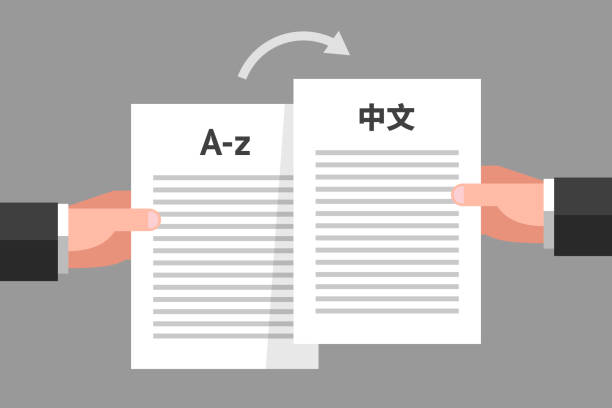
Certified document translation is often necessary when you need to submit documents issued in another language to a UK organisation. Whether you are applying for a visa, registering a marriage, pursuing education, managing legal matters, or dealing with official records, the receiving organisation may require an English translation that meets specific requirements.
A certified translation helps the receiving authority understand the contents of the original document and provides a statement confirming the translation’s accuracy. However, requirements can differ depending on the document type, the organisation receiving it, and the purpose of the application.
Understanding how certified document translation works can help you choose the right service, prepare your documents correctly, and avoid unnecessary delays. This guide explains the main requirements, the translation process, common document types, and the difference between certification and other forms of authentication.
If you need help with official paperwork, explore our certified document translation services to find a suitable option for your document and its intended use.
What Is Certified Document Translation?
Certified document translation is a translation supplied with a statement confirming that it is an accurate representation of the original document. The certification typically includes relevant details about the translator or translation provider and may include the date, signature, and contact information.
It is commonly used when documents need to be reviewed by official organisations, legal professionals, educational institutions, or other authorities.
How Is Certified Translation Different from Standard Translation?
A standard translation communicates the meaning of a document in another language. A certified translation includes an additional declaration intended to confirm its accuracy for formal use.
For example, a translation prepared for personal understanding may not need certification. A document submitted as part of an official application may require a certified version, depending on the receiving organisation’s rules.
Does Every Official Document Need Certification?
No. Not every document submitted in the UK requires a certified translation. The requirement depends on the organisation, the procedure, and the type of document.
Before ordering, check the receiving authority’s instructions. This can help you avoid paying for unnecessary services or receiving a translation that does not meet the stated requirements.
Which Documents Commonly Require Certified Translation?
Certified translation may be requested for many personal, academic, legal, and financial documents. The need for certification depends on the purpose for which the document will be used.
Personal and Civil Documents
Civil documents are frequently translated for family-related procedures, immigration applications, and official record updates.
Examples include:
- Birth certificates and marriage certificates.
- Divorce certificates and divorce decrees.
- Death certificates.
- Name change certificates and other civil records.
These documents often contain names, dates, registration numbers, official stamps, and other details that must be translated accurately.
Academic and Professional Documents
Students and professionals may need translations when applying to universities, professional bodies, or employers.
Common examples include academic transcripts, diplomas, degree certificates, training records, and professional qualifications. The receiving institution may specify whether certification is required and whether the original document must also be supplied.
Legal, Business, and Financial Documents
Legal and commercial procedures may require translated documents to help organisations assess agreements, records, and supporting evidence.
Examples include court orders, contracts, company documents, financial statements, and certain banking records. For complex documents, it is important to choose a provider with suitable experience in the relevant terminology.
What Are the Requirements for Certified Document Translation in the UK?
The exact requirements depend on the organisation receiving the translation. However, certified translations commonly include a declaration of accuracy and information that allows the translation provider to be identified.
Accuracy and Completeness
The translation should accurately represent the information in the source document. Names, dates, addresses, reference numbers, official notes, and other important details should be handled carefully.
Stamps, seals, handwritten notes, and text that is difficult to read may also need to be addressed. Any uncertainty should be handled transparently rather than guessed.
Certification Statement and Provider Details
A certification statement commonly confirms that the translation is an accurate representation of the original. Depending on the requirements, it may include the date, the translator’s or provider’s name, contact details, and a signature.
Some organisations specify particular wording or additional information. Always check the receiving authority’s instructions rather than assuming that one certification format will be accepted everywhere.
Original Document and Translation Format
Many translation providers can begin work from a clear digital scan or photograph. However, some procedures may require the original document, a certified copy, or a particular submission format.
Likewise, some organisations accept electronic translations, while others request signed paper copies. Confirm these details before placing an order, particularly if you are working towards a deadline.
How to Arrange Certified Document Translation Step by Step
Arranging a certified translation is usually straightforward when you understand the requirements and prepare your documents in advance.
Step 1: Confirm the Purpose of the Translation
Start by identifying the organisation that will receive your document and the reason it is needed. Requirements for an immigration application may differ from those for a court, university, or registry office.
Ask whether certification is required and whether there are any specific instructions about the translation’s format or accompanying documents.
Step 2: Prepare a Clear Copy of Your Document
Scan the complete document or take a clear photograph in good lighting. Make sure the text, stamps, seals, and registration details are visible.
If the document contains multiple pages or information on both sides, include all relevant sections. Poor-quality images can lead to clarification requests and delay the process.
Step 3: Choose a Suitable Translation Provider
Look for a provider that handles official document translation and explains its certification process clearly. Review the available services, turnaround estimates, delivery options, and privacy information.
If your document contains specialist legal, academic, or technical terminology, ask whether the provider has experience with that type of material.
Step 4: Request a Quotation and Confirm the Details
Submit your document and explain its intended use. Ask for confirmation of the total price, expected completion time, certification format, and delivery method.
Check whether the quotation includes certification, electronic delivery, postage, or any additional service you have requested. Confirm these details before proceeding.
Step 5: Review the Completed Translation
When you receive the translation, compare important details against the original document. Check names, dates, places, and reference numbers carefully.
If you find an error or missing detail, contact the provider before submitting the translation. Avoid changing a certified translation yourself, as this may affect its acceptance.
Certified vs Notarised Translation: What Is the Difference?
Certified translation and notarised translation serve different purposes. Knowing the difference can help you avoid arranging unnecessary formalities.
What Does Certification Mean?
Certification generally involves a statement from the translator or translation provider confirming the translation’s accuracy. It helps the receiving organisation understand the basis on which the translated document has been supplied.
The required certification format can vary according to the receiving organisation and the procedure involved.
When Might Notarisation Be Necessary?
Notarisation involves a notary public performing a notarial act, such as verifying a signature or witnessing a declaration. It does not automatically confirm that the translation is linguistically accurate.
Some legal or overseas procedures require notarisation, but it is not a universal requirement for certified translations in the UK. Confirm whether it is specifically requested before paying for an additional service.
Do You Need an Apostille for a Certified Translation?
An apostille is a form of authentication used for qualifying public documents under the applicable legal framework. It authenticates the origin of a document, such as the signature, capacity of the signatory, or seal. It does not confirm the accuracy of a translation.
Whether an apostille is necessary depends on the destination country, the document, and the receiving authority’s requirements.
Check Authentication Requirements Before Ordering
Some procedures may require authentication of the original document, while others may specify additional formalities for translated documents. These requirements are separate from translation certification.
If you are submitting documents abroad, ask the receiving authority which steps are necessary and in what order they should be completed.
How Much Does Certified Document Translation Cost?
The cost of certified document translation varies according to the document and the service required. There is no single price that applies to every language combination or document type.
Factors That Affect the Price
Pricing may depend on the source and target languages, document length, complexity, urgency, and delivery method. Additional services, such as notarisation or postage, may also affect the total cost.
A short certificate may be less expensive to translate than a lengthy legal agreement or a document with complex handwritten content.
How to Avoid Unexpected Costs
Request a quotation before confirming the order and check what is included. If you need certification, a printed copy, or urgent delivery, mention this at the beginning.
Comparing providers on clarity, service suitability, and transparent pricing can be more useful than choosing solely on the lowest quoted price.
How Long Does Certified Document Translation Take?
Turnaround time depends on the language pair, document quality, provider availability, and any additional requirements. A straightforward certificate may take less time than a multi-page legal or academic document.
Urgent services may be available, subject to capacity. However, translation time and postal delivery time are separate, so allow sufficient time for both if you have an application deadline.
Choose the Right Certified Document Translation Service
A suitable translation service should provide clear information about its process, certification, pricing, and delivery options. It should also handle personal documents responsibly and be willing to clarify requirements before work begins.
Before ordering, confirm what the receiving organisation expects, prepare a readable copy, and explain the intended use of the translation. These simple steps can help reduce avoidable delays and ensure that you request the appropriate service.
Frequently Asked Questions
Can I order certified document translation online?
Yes. Many providers allow you to upload a digital scan or photograph and arrange the translation online. Check whether the receiving organisation accepts an electronic copy or requires a signed paper version.
Can I certify my own translation?
Whether a self-produced translation is accepted depends on the receiving organisation’s rules. For formal applications, it is sensible to confirm the requirements and use an appropriate translation provider if independent certification is required.
Is a certified translation valid for use abroad?
It may be accepted, but overseas authorities can have different requirements. They may request a particular certification format, notarisation, an apostille, or other authentication. Always check the destination authority’s instructions.
What should I do if my document contains spelling differences?
Tell the translation provider about any differences between names or details on the source document and other official records. The translation should accurately reflect the original, and any discrepancies should be handled clearly rather than silently changed.
About Document Translation Services: Document Translation Services supports individuals and organisations with document translation for official, legal, academic, and administrative purposes.
