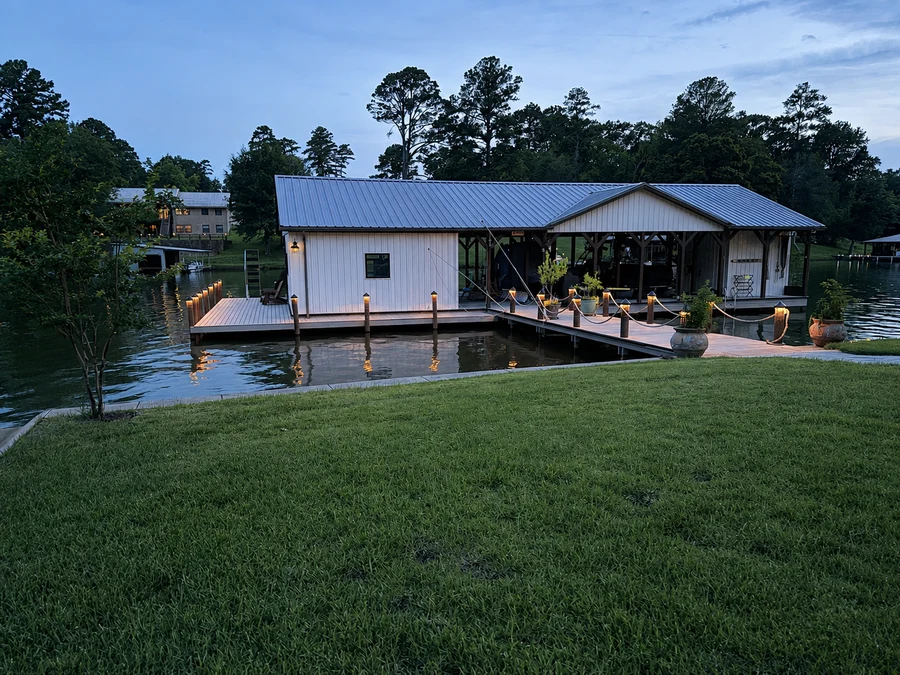
Waterfront properties offer a direct connection to the water, but their outdoor spaces need suitable lighting to remain practical after sunset. Docks, piers, and private jetties can become difficult to navigate in low light, particularly where the edges are exposed or the walkways are narrow. LED piling cap lights provide a convenient way to illuminate these areas while adding a neat finishing detail to the structure.
Fitted to the tops of dock pilings, these lights help define the boundaries of a waterfront installation without requiring extra posts or bulky fixtures. Energy-efficient LED technology also helps reduce electricity consumption, making piling cap lights a sensible option for homeowners, marina operators, and property managers who want dependable outdoor illumination.
Why Piling Cap Lights Suit Waterfront Properties
Dock pilings serve as structural supports, but their position also makes them useful locations for lighting. Installing fixtures on their tops helps identify the outline of a dock and makes access points easier to recognise after dark.
This arrangement is particularly useful on narrow walkways, where additional floor-mounted lighting could obstruct movement. Boat owners often carry ropes, equipment, fishing supplies, and other items between the shore and their vessels. Clearly marked dock edges can make these routine activities easier.
Piling cap lights can also improve the appearance of a waterfront property. A consistent row of illuminated posts creates a defined boundary and gives the dock a more finished look. Homeowners can select fixtures that complement timber, composite, or metal structures.
The placement should reflect the way the dock is used. Lights near steps, boarding areas, and changes in level may be more useful than fixtures positioned solely for decorative effect.
How LED Technology Helps Reduce Electricity Use
LED lighting uses less electricity than many traditional lighting technologies while providing useful illumination. This can make a difference on docks where several lights remain switched on throughout the evening.
Reduced power consumption may lower operating costs, especially on larger waterfront properties with multiple berths and access routes. LED fixtures also generate less heat than incandescent lamps and can offer long rated service lives when their components are properly designed for outdoor use.
Light output is another consideration. Some docks need only a gentle glow to indicate the position of each piling, while others require stronger illumination around working areas. Selecting the correct brightness helps avoid unnecessary energy use and reduces glare.
Colour temperature influences the atmosphere of the property. Warm white lighting often suits residential waterfront spaces, while neutral white may be preferred around working docks. The final choice should provide enough visibility without creating harsh reflections on the water.
LED efficiency alone does not determine running costs. Buyers should compare wattage, light output, operating hours, and the expected replacement requirements of the complete fixture.
Selecting Materials for Marine Conditions
Waterfront lighting faces conditions that ordinary garden fixtures may not withstand. Rain, humidity, salt spray, temperature changes, and strong winds can affect housings, seals, and mounting hardware.
Marine-suitable piling cap lights should have materials and finishes designed for their intended environment. Corrosion-resistant metals, durable polymers, protected cable entries, and well-fitted housings can help reduce premature deterioration.
Saltwater locations deserve particular attention because salt deposits can accelerate corrosion on unsuitable components. The grade of stainless steel, protective coating on aluminium, and compatibility of mounting hardware should all be considered.
Water resistance also needs careful assessment. An ingress protection rating indicates how well a product resists dust and water under specified testing conditions. However, the rating does not automatically confirm suitability for continuous immersion or prolonged saltwater exposure.
The fixture should match the highest realistic level of exposure at the installation site. Owners should also confirm that the cap fits the piling correctly and can be secured according to the manufacturer’s instructions.
Solar-Powered or Wired Piling Cap Lights?
Solar and wired lighting systems each have practical uses. The preferred option depends on the dock’s location, available sunlight, required brightness, and electrical infrastructure.
Solar piling cap lights charge during daylight and use stored energy after sunset. They can suit remote docks where running electrical cables would be expensive or difficult. However, their performance depends on sunlight, panel cleanliness, battery capacity, and seasonal weather.
Shaded waterfronts may not receive enough direct sunlight for consistent operation. Shorter winter days can also reduce charging time, affecting how long the lights remain illuminated overnight.
Wired LED lights can provide a more predictable supply of electricity when connected to a properly designed system. They may suit larger docks that require consistent illumination over extended periods. Installation costs, cable routing, electrical protection, and future maintenance access should be included in the decision.
Electrical work near water requires appropriate equipment and compliance with applicable regulations. A qualified marine electrician can assess wiring, protective devices, and the safest installation method.
Planning Brightness and Light Placement
A lighting plan should begin with the activities taking place on the dock. Identify the main walking routes, boarding points, steps, ladders, and areas where equipment is stored.
Piling cap lights can mark the perimeter, but they may not provide enough illumination for every task. Additional fixtures might be needed near gates, access ladders, or working surfaces.
Spacing should be based on the fixture’s beam pattern, mounting height, and the dimensions of the dock. Excessive spacing can leave dark gaps, while overly bright lights can create glare for people walking along the dock or approaching by boat.
Downward-directed lighting can help illuminate the structure while limiting unnecessary light spill across the water. Property owners should also consider local restrictions relating to waterfront lighting and wildlife.
Testing the proposed layout after sunset can reveal areas that need adjustment before the entire installation is completed.
Routine Care for Long-Term Performance
Marine lighting needs regular inspection even when LED fixtures have long rated service lives. Salt deposits, dirt, leaves, and moisture can affect appearance and performance over time.
Clean the fixture surfaces using methods approved by the manufacturer. Solar panels should be kept free of dirt and debris so they can receive sufficient sunlight. Avoid abrasive cleaning tools or harsh chemicals that could damage lenses, coatings, and seals.
Check mounting hardware for movement and corrosion. Inspect accessible cables and connectors for damage, and investigate persistent condensation inside a sealed housing. Replace deteriorated seals or damaged components according to the manufacturer’s service instructions.
Battery-powered lights may eventually require new batteries even when the LEDs remain functional. Recording inspection dates and recurring faults can help property managers organise maintenance before several fixtures fail at once.
Creating a Better-Lit Waterfront Space
Energy-efficient LED piling cap lights can provide useful illumination while preserving the clean appearance of a dock. Their value depends on selecting fixtures that suit the location, positioning them carefully, and maintaining their protective components.
For homeowners upgrading an existing pier or planning a new waterfront installation, a considered lighting arrangement can improve nighttime usability without introducing unnecessary clutter. Suitable materials, appropriate brightness, and a reliable power supply help make the investment practical over the long term.
