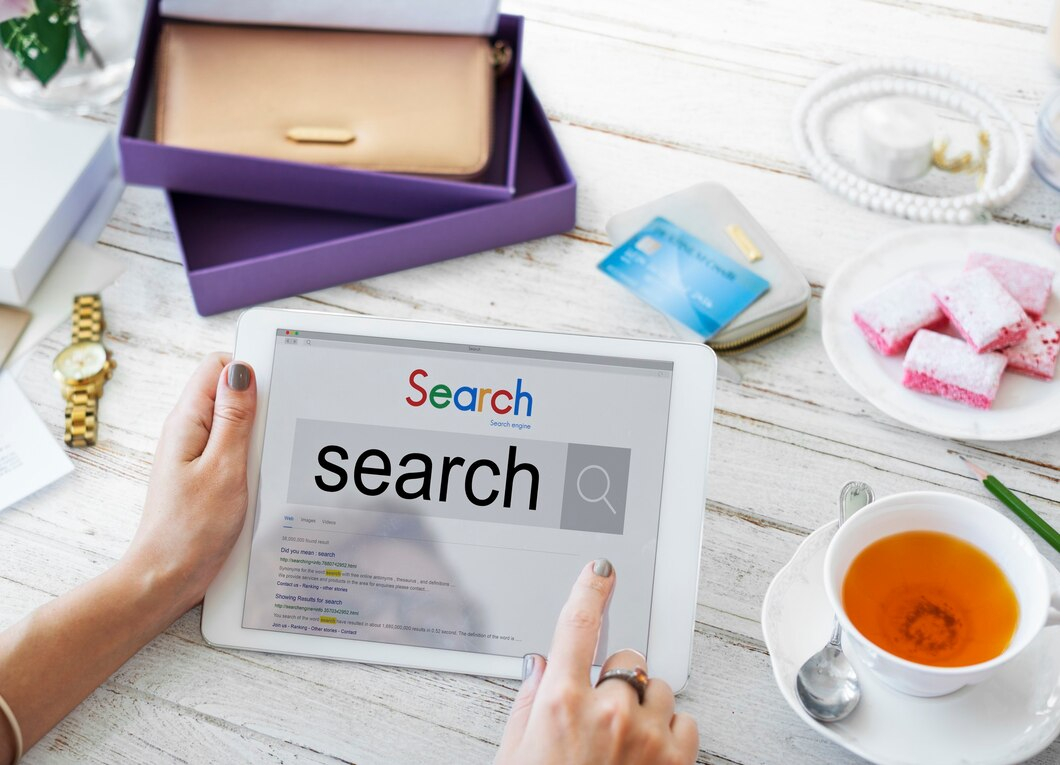
Small businesses depend on customers who live, work, shop, or search within their service areas. A café needs people nearby to discover its menu, a plumber needs calls from households with urgent repairs, and a local retailer needs shoppers to know where to find its store. Local search engine optimization (SEO) helps businesses appear in search results when potential customers are actively looking for nearby products and services.
A strong local SEO plan combines accurate business information, relevant website content, customer reviews, and a well-managed Google Business Profile.Sassine Digital helps businesses strengthen their online presence through effective digital marketing strategies, making it easier for potential customers to discover their services, understand what they offer, and decide whether to get in touch.
Why Local Search Matters for Small Businesses
Many customers begin their search online before visiting a shop or contacting a service provider. They may search for a particular service followed by a suburb, city, or phrase such as “near me”. The results can introduce them to businesses they have never heard of.
Small businesses often compete with larger companies that have greater advertising budgets. Local SEO offers another way to reach potential customers by focusing on a defined geographic area and the services they need.
For example, an electrician operating in Parramatta may benefit more from attracting relevant searches in nearby suburbs than from receiving website visits from people across Australia who cannot use the service. Local SEO helps connect a business with people who are more likely to become customers.
Make Your Google Business Profile Useful
A Google Business Profile can display a business’s name, address or service area, phone number, opening hours, website, reviews, photos, and other details in Google Search and Maps. Customers may use this information to compare providers before choosing one.
Business owners should claim and verify their profile, select the most accurate primary category, and add relevant secondary categories where appropriate. The business description should explain its services clearly, while opening hours and contact details should remain current.
Photos can also help potential customers understand what to expect. A retailer might upload images of its premises and products, while a tradie could show completed projects or examples of workmanship, provided the images are genuine and suitable for public use.
Profile management should be an ongoing task rather than a one-time setup. Updated holiday hours, new service details, and timely responses to customer reviews can make the listing more useful.
Build Website Pages Around Real Service Areas
A business website gives customers more detail than a short search listing can provide. It should explain the services offered, the areas covered, the business’s experience, and the next step a visitor can take.
Businesses serving several suburbs may benefit from dedicated location pages when each page provides useful, distinct information. A cleaning company, for instance, could explain its residential and commercial cleaning services for different areas, including relevant local details and practical information about bookings.
Creating dozens of near-identical pages with only the suburb name changed is unlikely to offer a good experience. Each location page should answer real questions and help visitors determine whether the business can serve them.
Service pages also need clear headings, readable copy, descriptive page titles, and contact details that are easy to find. A visitor who lands on a page about roof repairs should not have to search through unrelated content to locate the relevant phone number.
Use Local Keywords Naturally
Keyword research helps businesses understand the words people use when searching for their services. These phrases may include a service, location, product type, or specific problem.
A physiotherapy clinic might target phrases related to physiotherapy in its suburb, sports injury treatment, and appointment availability. A plumbing business could create content about hot water repairs, blocked drains, or emergency plumbing in the areas it serves.
The goal is to match the wording and purpose of a page with the customer’s needs. Repeating the same phrase in every paragraph can make content awkward and reduce its usefulness.
Related terms, common questions, and clear service descriptions help search engines understand a page’s subject. They also make it easier for visitors to decide whether the business provides the help they need.
Earn Reviews and Respond Professionally
Customer reviews influence how people assess a local business. Positive feedback can provide reassurance, while detailed comments may help prospective customers understand the quality of the service.
Businesses can invite genuine customers to leave honest reviews after a completed purchase or job. Requests should be polite and consistent, and customers should not be pressured to leave positive feedback. Offering rewards in exchange for reviews can also conflict with platform policies.
Responses matter as well. Thanking customers for positive feedback shows appreciation, while a calm response to criticism gives the business an opportunity to address a concern. Replies should protect customer privacy and avoid sharing personal or job-related details without permission.
Reviews should reflect real experiences. Buying fake reviews or arranging misleading feedback can damage trust and put a business’s profile at risk.
Improve Technical Website Performance
A website must be easy to use on mobile devices because local searches frequently happen while people are travelling, shopping, or dealing with an immediate problem. Pages should load reliably, text should be readable without zooming, and buttons should be easy to tap.
Technical checks should cover broken links, indexing problems, duplicate pages, missing page titles, and confusing navigation. A secure website and a straightforward contact process also help visitors feel more comfortable making enquiries.
Page speed is worth monitoring, but it should be considered alongside the full user experience. A fast website with unclear services or an unhelpful contact page may still struggle to convert visitors into customers.
Measure the Results That Matter
Local SEO should be assessed using more than rankings alone. Search Console can show which queries generate impressions and clicks, while website analytics can help track visits, contact-form submissions, and other important actions.
Google Business Profile performance information may also provide insights into how people discover and interact with a listing. Businesses should review available data regularly and look for patterns, such as a service page receiving traffic but generating few enquiries.
Call tracking and enquiry records can help connect online activity with real business outcomes. The aim is to understand which activities attract relevant prospects and which pages need improvement.
Keep Local SEO Consistent
Local SEO produces stronger results when business information, website content, reviews, and customer service support the same message. Changes usually take time to influence organic visibility, so businesses should avoid judging a campaign by a few days of activity.
Owners who need help planning their local search activities can explore the services offered by Sassine Digital. A clear plan can help identify technical issues, improve local visibility, and prioritise work according to the business’s goals.
Small businesses do not need to target every possible search. They need to be visible for relevant searches, provide useful information, and make it easy for nearby customers to take the next step.
