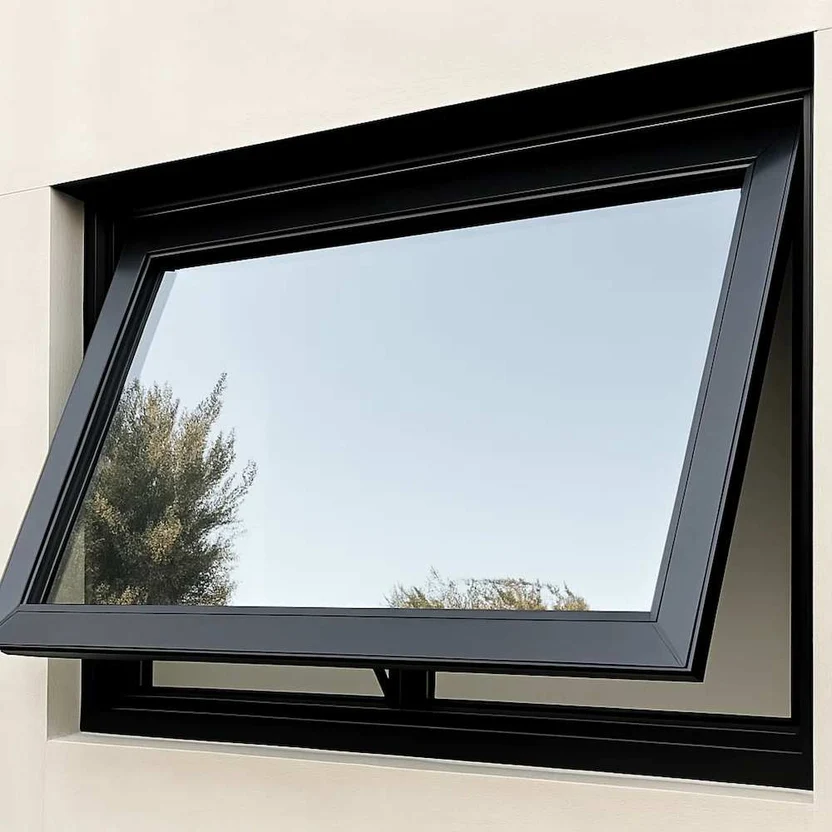
Contemporary home design often combines open interiors, natural light, clean lines, and materials that require minimal upkeep. Windows influence each of these features, affecting the appearance of a property as well as its comfort, energy efficiency, and connection to the outdoors. Aluminum frame windows suit this style because their slim profiles, strength, and design flexibility work well across a wide range of residential spaces.
Homeowners can choose from different frame colours, opening styles, glazing options, and configurations to complement the architecture. From a compact city home to a spacious property with large glass panels, aluminum windows offer practical advantages that extend beyond their appearance.
Slim Frames and Generous Glass Areas
One of the most noticeable features of aluminum windows is their ability to support large panes of glass without requiring bulky frames. Aluminum has a strong structure relative to its weight, allowing manufacturers to create narrow profiles that retain sufficient support for appropriately designed glazing.
This makes the material suitable for contemporary homes where daylight and clear external views are priorities. Large windows can brighten living rooms, kitchens, stairwells, and home offices while making smaller interiors feel more open.
Slim frames also suit architectural styles that favour simple shapes and uncluttered surfaces. Black or charcoal aluminum frames can create a defined outline around the glass, while white and neutral finishes offer a softer appearance.
Durability for Everyday Residential Use
Windows are exposed to sunlight, wind, rain, temperature changes, and regular operation. A suitable frame material must withstand these conditions without requiring constant attention.
Aluminum is resistant to rot and does not attract termites, making it a useful alternative to timber in many environments. Properly finished aluminum frames can also resist corrosion, although the level of protection depends on the coating, the surrounding conditions, and the quality of installation.
Powder-coated finishes are available in many colours and can protect the metal while providing a consistent appearance. Coastal properties require particular attention to corrosion resistance because salt exposure can affect metal components and finishes.
Homeowners should review the manufacturer’s specifications for the intended location rather than assuming every aluminum window has the same level of weather protection.
Energy Efficiency Depends on the Complete Window
Older aluminum windows sometimes developed a reputation for poor insulation because metal conducts heat readily. Modern designs can address this concern through thermal breaks, improved seals, suitable glazing, and carefully engineered frame systems.
A thermal break is an insulating section placed between the inner and outer portions of the frame. It reduces direct heat transfer through the metal, helping limit unwanted heat gain during warm weather and heat loss during colder periods.
The glass also affects performance. Double glazing, low-emissivity coatings, and gas-filled sealed units can improve insulation when selected for the property’s climate and orientation.
The most suitable specification depends on several factors:
- Climate: Homes in hot regions may need glazing that limits solar heat gain.
- Window orientation: Large windows facing strong afternoon sun may require additional solar control.
- Air leakage: Well-designed seals help reduce draughts around moving sections.
- Installation: Gaps around the frame can undermine the performance of an otherwise efficient window.
- Ventilation: Opening styles should support the household’s ventilation requirements.
Checking the complete window’s energy ratings is more useful than judging performance by frame material alone.
Design Flexibility for Different Rooms
Aluminum frames can be manufactured in several opening styles, giving homeowners flexibility throughout the property. Sliding windows are useful where an outward-opening sash would interfere with a walkway, garden furniture, or a narrow balcony. Casement windows can provide generous ventilation, while fixed windows are suitable for areas where daylight and views matter more than opening access.
Awning windows, which open outward from the bottom, can offer ventilation during light rain when the design and weather conditions permit. Their effectiveness still depends on wind direction, installation, and the manufacturer’s performance specifications.
Large fixed panels can also be combined with opening sections. This arrangement provides broad views while preserving access to fresh air.
For a consistent interior design, homeowners can coordinate window finishes with door frames, cabinetry hardware, balcony railings, and other architectural details.
Low Maintenance Without Neglect
Aluminum windows generally require less maintenance than timber frames because they do not need regular sanding, staining, or repainting to prevent rot. Their finish can retain its appearance for years when the products are correctly specified and cared for.
Routine cleaning is straightforward. Wash the frames with mild soap and water, then rinse away dirt and residue. Avoid abrasive pads and harsh chemicals that could damage the coating.
Moving parts need occasional attention as well. Tracks should remain free of leaves, dust, and grit, while hinges, locks, and handles should be checked for smooth operation. Drainage openings must remain clear so water can escape as intended.
If a frame becomes difficult to operate or a seal begins to fail, prompt inspection can prevent a minor maintenance issue from developing into a larger problem.
Security Features Worth Checking
The frame alone does not determine how secure a window will be. Locks, hardware, glazing, installation quality, and the design of the opening all contribute to its resistance to forced entry.
Homeowners should look for reliable locking mechanisms and products tested against relevant local security standards. Laminated glass may provide additional resistance to breakage in suitable applications, although the correct specification depends on the window’s location and intended purpose.
Ground-floor windows, accessible balcony openings, and windows hidden from street view deserve particular attention during the planning stage.
A secure installation also requires appropriate fixings and sound surrounding construction. Even a well-made frame can perform poorly if it is incorrectly installed.
Balancing Initial Cost With Long-Term Value
Aluminum windows may cost more initially than some basic window systems, particularly when homeowners select thermally broken frames, specialised finishes, or large glazed units. However, purchase price is only one part of the overall cost.
Durability, maintenance requirements, energy performance, hardware quality, and the expected service life should all be considered. A lower-priced window may not offer the same insulation or weather resistance as a better-specified alternative.
Obtaining itemised quotations makes comparisons easier. Ask suppliers to clarify the frame system, glass specification, hardware, finish warranty, installation work, and any additional charges.
It is also sensible to review the manufacturer’s cleaning instructions and the availability of replacement components before making a decision.
Choosing Windows That Suit the Property
The right aluminum window should complement the home’s architecture and respond to its practical requirements. A design that works well in a shaded living room may not be ideal for a west-facing bedroom exposed to strong afternoon sun.
Consider room dimensions, privacy, ventilation, access, external noise, and the direction of sunlight before finalising the layout. An experienced window supplier or building professional can help identify suitable configurations and performance ratings.
Aluminum frame windows offer a useful combination of strength, design flexibility, and manageable upkeep. With appropriate glazing, quality hardware, and professional installation, they can support comfortable, attractive living spaces for many years.
