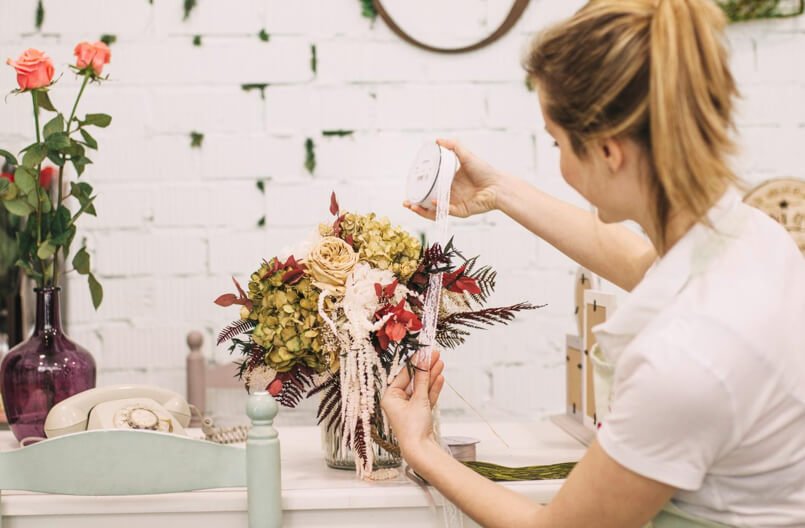
Decorating a home is about creating a space that feels comfortable, welcoming, and personal. Small decorative details can make a significant difference to the overall appearance of a room, and flowers are one of the easiest ways to introduce colour, texture, and natural beauty. However, fresh flowers require regular watering, trimming, and replacement to maintain their appearance. Artificial flowers offer another option for homeowners who want attractive floral displays without the same level of maintenance.
With different colours, shapes, sizes, and styles available, artificial flower arrangements can complement a wide range of interior designs. They can be displayed in living rooms, bedrooms, kitchens, hallways, and even home offices. From simple arrangements in glass vases to larger decorative centrepieces, there are many ways to incorporate artificial flowers into everyday home decor.
Understanding how to select and display these arrangements can help create a balanced interior that reflects your personal style.
1. Add Colour to Your Living Room
The living room is often one of the most frequently used spaces in a home. It may serve as a place to relax, entertain guests, or spend time with family. Floral decorations can make this area feel more inviting without requiring major changes to the furniture or layout.
Consider placing an arrangement on a coffee table, side table, bookshelf, or console. The size of the display should suit the available surface area and leave enough room for everyday activities.
For example, a low arrangement with white and cream flowers can complement a neutral living room, while a display featuring pink, yellow, or orange blooms can introduce a cheerful accent.
When selecting flowers for this space, consider the following ideas:
- Choose colours that complement your cushions, curtains, or rugs.
- Use a decorative vase that matches the room’s overall style.
- Place smaller arrangements on side tables to create visual interest.
- Select a larger display for an empty corner or console table.
- Avoid overcrowding surfaces with too many decorative items.
Artificial flower arrangements can maintain a consistent appearance throughout the year, making them suitable for rooms where you want a dependable decorative feature.
2. Create an Attractive Dining Table Centrepiece
A dining table can benefit from a simple floral centrepiece that adds interest without interfering with meals or conversations. The right arrangement can make everyday dining feel more special and help create an inviting atmosphere when guests visit.
For a rectangular dining table, consider a long, low display that follows the shape of the surface. A round table may look better with a compact arrangement positioned in the centre.
White roses, soft pink peonies, cream blossoms, and greenery can work well in traditional or contemporary dining spaces. For a more colourful setting, choose flowers that coordinate with table linens, crockery, or other decorative details.
Keep these practical points in mind when arranging flowers on a dining table:
- Choose a height that allows people to see one another comfortably.
- Use a stable vase that is unlikely to tip over easily.
- Leave enough space for serving dishes and place settings.
- Keep the design simple if the table already has patterned linens.
- Clean the arrangement regularly to remove dust.
A carefully selected centrepiece can make the dining area feel complete without making the table difficult to use.
3. Decorate Your Bedroom With Soft Floral Colours
Bedrooms benefit from decorations that create a calm and comfortable atmosphere. Floral displays in gentle shades can add warmth while keeping the overall appearance relaxed.
Consider placing a small arrangement on a bedside table, dressing table, or bedroom dresser. Soft pink, white, lavender, and cream flowers can complement neutral bedding and light coloured furniture. If the bedroom has darker furniture, a display with brighter flowers may provide an attractive contrast.
The container also plays an important role. A ceramic vase can create a simple, understated look, while a glass vase may suit a lighter and more contemporary interior.
For a coordinated appearance, repeat one or two colours already present in the bedroom. This helps the arrangement feel connected to the rest of the decor rather than appearing as an unrelated accessory.
Avoid choosing a display that is too large for a small bedside table. A compact arrangement can provide the desired decorative effect while leaving room for a lamp, book, or other essential items.
4. Make Hallways and Entryways More Welcoming
The entrance to a home creates the first impression for visitors. Even a small hallway can feel more inviting with a thoughtfully positioned floral display.
A console table near the entrance is a practical location for a medium sized arrangement. If the hallway has limited floor space, a narrow table with a slim vase can introduce colour without obstructing movement.
Choose flowers that suit the amount of natural light and the general colour scheme of the area. White flowers and green foliage can complement minimalist interiors, while warmer colours may suit homes with wooden furniture and earthy finishes.
A few styling ideas include:
- Pair a floral vase with a decorative bowl for keys.
- Place an arrangement beside a mirror to create a balanced display.
- Use a tall vase on a spacious console table.
- Choose a compact design for narrow hallways.
- Keep the surrounding surface clear to prevent a cluttered appearance.
Artificial flowers are particularly practical in entryways where fresh arrangements might otherwise require frequent replacement. They can provide a consistent decorative touch even in areas that receive limited sunlight.
5. Bring Life to Shelves and Bookcases
Bookshelves and display cabinets often contain a mixture of books, photographs, ornaments, and personal collections. Adding a small floral arrangement can soften the appearance of these objects and create a more balanced display.
Choose compact flowers that fit comfortably between books or decorative pieces. Small white blossoms, delicate pink flowers, or arrangements with green foliage can work well on open shelves.
Instead of placing flowers on every shelf, select one or two areas where the display will stand out. This creates visual variety and allows other decorative objects to remain noticeable.
You can also use different vase materials to complement the shelf design. Ceramic containers may suit wooden bookcases, while clear glass vases can work well with modern shelving.
When decorating shelves, make sure the arrangement is stable and does not extend too far beyond the edge. This is especially important in homes with children or pets.
6. Choose Flowers That Match Your Interior Style
Artificial flowers are available in designs that suit many types of home decor. Selecting the right style can help maintain a consistent appearance throughout your living space.
Modern interiors
Modern interiors often feature clean lines, simple furniture, and uncluttered surfaces. Arrangements with a limited colour palette can complement this style.
Consider white orchids, neutral roses, or flowers with understated greenery. A simple glass, matte ceramic, or stone effect vase can complete the look.
Traditional interiors
Traditional homes may include detailed furniture, decorative mirrors, warm colours, and classic accessories. Roses, peonies, hydrangeas, and fuller floral displays can complement these features.
Choose a vase with a shape or finish that suits the surrounding furniture without competing with other decorative details.
Rustic interiors
Rustic decor often includes natural textures, wooden furniture, woven accessories, and earthy colours. Artificial wildflowers, muted greenery, and flowers in warm shades can fit comfortably into these spaces.
A ceramic, textured, or vintage inspired container can add character to the arrangement.
Minimalist interiors
Minimalist spaces benefit from carefully chosen decorations rather than numerous accessories. A single stem or a small arrangement can provide a focal point without making the room feel crowded.
Choose flowers with simple shapes and colours that complement the walls and furniture.
7. Use Seasonal Colours to Refresh Your Decor
One advantage of artificial flowers is the ability to change your home decor according to the season without replacing an entire arrangement every few days.
During spring, soft pinks, yellows, and fresh looking greenery can create a light and cheerful atmosphere. Summer decor may suit brighter colours, including orange, coral, and vibrant pink.
Autumn arrangements can feature burgundy, rust, cream, and warm brown tones. During winter, white flowers, deep red accents, and evergreen foliage can create a cosy appearance.
You do not need to change every floral display at once. Updating a single arrangement in the living room or dining area can be enough to give the home a different look.
Store unused arrangements in a clean, dry place to help protect them from dust, moisture, and unnecessary damage.
8. Select the Right Vase and Container
The vase can influence how an arrangement looks just as much as the flowers themselves. A suitable container supports the stems, complements the colours, and helps the display fit into the room.
Before choosing a vase, consider the height, width, and overall shape of the flowers. Tall stems generally need a container that provides sufficient support, while compact arrangements may suit shorter vases.
Different materials create different effects:
- Glass: Suitable for light, airy arrangements and contemporary interiors.
- Ceramic: Works well with classic, rustic, or minimalist decor.
- Metal: Can complement industrial or modern decorative styles.
- Woven containers: Add texture to relaxed, natural looking interiors.
- Stone effect finishes: Create a subtle appearance that works with neutral colour schemes.
The vase should also be proportionate to the furniture. A large arrangement may overwhelm a narrow side table, while a very small vase can appear lost on a wide console.
9. Maintain Artificial Flowers for a Fresh Appearance
Artificial flowers require less daily care than fresh blooms, but they still benefit from occasional cleaning and proper storage. Dust can collect on petals, leaves, and stems, especially in rooms where windows remain open.
To keep your arrangements looking presentable, follow these simple practices:
- Gently remove dust with a soft brush or clean microfiber cloth.
- Follow the manufacturer’s cleaning instructions for delicate materials.
- Use a slightly damp cloth only when the material allows it.
- Allow cleaned flowers to dry completely before storing them.
- Keep arrangements away from excessive heat and direct sunlight when possible.
- Store seasonal displays in a clean container to protect their shape.
Some artificial flowers are made from silk, fabric, plastic, or other materials, so the appropriate cleaning method may differ. Avoid soaking an arrangement unless the manufacturer confirms that it is safe.
Regular maintenance can help preserve the colour and shape of your flowers and extend their useful life.
10. Common Mistakes to Avoid When Decorating With Artificial Flowers
Although floral decorating is flexible, a few common mistakes can affect the final appearance.
Choosing the wrong size: An arrangement that is too large can dominate a small room, while a tiny display may not suit a large surface.
Mixing too many colours: Several contrasting colours can make an arrangement appear busy. Choose a coordinated palette and add contrast selectively.
Using unsuitable containers: A vase that is too narrow or too shallow may fail to support the stems properly.
Ignoring dust: Even high quality artificial flowers can look less attractive when covered in dust.
Overdecorating surfaces: Flowers should complement the surrounding decor rather than compete with numerous ornaments.
Placing flowers without considering the room: A style that suits a formal dining room may not be the best choice for a relaxed bedroom or compact home office.
Paying attention to proportion, colour, placement, and maintenance can help create a more polished result.
Frequently Asked Questions
1. Where should I place artificial flower arrangements in my home?
Living rooms, dining tables, bedrooms, entryways, shelves, and home offices are all suitable locations. Choose a display that fits the available space and complements the surrounding decor.
2. How do I choose the right colours for artificial flowers?
Consider the existing colours in your furniture, curtains, rugs, and accessories. Neutral flowers can create a subtle appearance, while brighter blooms can introduce a contrasting accent.
3. Do artificial flowers require regular maintenance?
They do not require watering or trimming like fresh flowers, but occasional dusting and careful storage help maintain their appearance.
4. Can artificial flowers look natural in a modern home?
Yes. Realistic petals, varied stem heights, natural looking foliage, and suitable containers can help create a convincing display. Avoid overly crowded arrangements and choose colours that complement the room.
5. How can I decorate a small room with artificial flowers?
Choose a compact arrangement, a narrow vase, or a single stem. Place it on a shelf, bedside table, or windowside console where it will add colour without taking up too much space.
6. How often should I replace artificial flower arrangements?
There is no fixed replacement schedule. Well maintained arrangements can remain useful for a long time, although fading, damaged petals, or changes in your interior style may make an update worthwhile.
Final Thoughts
Decorating with artificial flowers offers a practical way to introduce colour, texture, and personality into different areas of your home. From a welcoming entrance to a carefully styled dining table, the right floral display can complement your furniture and create a more cohesive interior.
Focus on selecting suitable colours, choosing proportionate arrangements, and using containers that match your decorating style. With occasional cleaning and thoughtful placement, artificial flowers can remain an attractive part of your home decor throughout the year.
