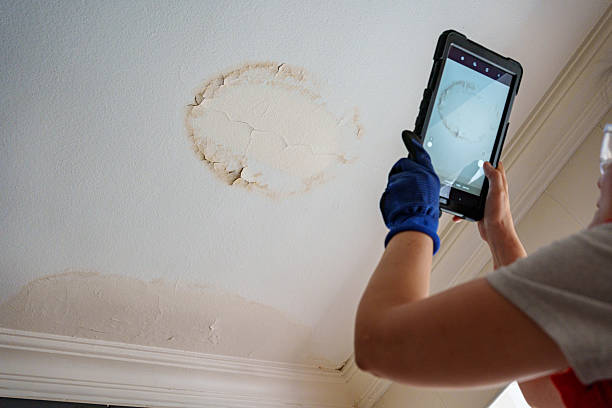
Roof leaks can damage ceilings, walls, electrical fittings, and interior finishes if water enters a building for an extended period. Singapore’s frequent rainfall and humid conditions make roof maintenance an important part of protecting residential and commercial properties. Timely roof leakage repair in Singapore can help identify the source of water entry, limit further damage, and restore the roof’s ability to keep the building dry.
A roof leak does not always originate directly above a visible water stain. Water can travel along structural elements before appearing indoors, making proper inspection necessary. Understanding the common causes, warning signs, and repair methods helps property owners decide when professional assessment is needed.
What Causes Roof Leaks in Singapore?
Roof leaks can develop through damaged materials, worn waterproofing layers, blocked drainage systems, or gaps around roof fittings. Heavy rainfall can expose weak points that may not be obvious during dry weather.
The correct repair depends on the roof type, the location of the leak, and the condition of the surrounding materials. Identifying the underlying cause is more effective than treating only the visible signs of water damage.
Damaged Roof Tiles and Roofing Sheets
Cracked, displaced, or broken roof tiles can allow rainwater to enter the roof structure. Metal roofing sheets may also develop corrosion, loose fasteners, or damaged joints that create openings for water.
A roof inspection should check the affected area and nearby materials. Replacing a damaged tile or repairing a loose joint may solve a local problem, but surrounding sections should also be examined for related damage.
Worn Waterproofing Membranes
Flat roofs, concrete roofs, and roof terraces often rely on waterproofing membranes to prevent water from entering the building. Over time, exposure to sunlight, temperature changes, movement, and standing water can weaken these protective layers.
Cracks, peeling, bubbles, and failed membrane joints may indicate that waterproofing has deteriorated. Repairs should address the damaged layer and the conditions that caused the failure, rather than covering the surface without proper preparation.
Blocked Roof Drains and Gutters
Roof drainage systems carry rainwater away from the building. Leaves, dirt, debris, and other obstructions can slow drainage and cause water to collect around vulnerable areas.
Standing water can place additional stress on joints and waterproofing materials. Regular cleaning and inspection help maintain water flow and reduce the risk of leaks caused by blocked outlets or poorly draining roof sections.
Warning Signs That Your Roof Needs Attention
Roof leaks may begin with small changes that are easy to overlook. Water stains, peeling paint, damp patches, and musty smells can indicate moisture entering the building.
These signs do not always reveal the exact source of the problem. Water may travel from another part of the roof or enter through a joint before reaching the affected ceiling or wall.
Water Stains and Peeling Paint
Brown marks on ceilings, bubbling paint, and damp plaster may suggest water penetration. The damage can become more extensive if moisture remains trapped inside building materials.
Record where the stains appear and whether they change after rainfall. This information can help a roofing professional narrow down possible entry points during an inspection.
Dripping Water and Persistent Dampness
Active dripping during rain is a clear sign that water is entering the building. Persistent dampness after the rain has stopped may indicate that moisture has collected within the roof structure or surrounding materials.
Keep people away from affected electrical fittings and avoid touching wet electrical equipment. Arrange a professional assessment to identify the source and determine whether any immediate safety measures are needed.
How Professional Roof Leakage Waterproofing Helps
Effective roof leakage waterproofing focuses on preventing water from entering the building, not simply hiding the damage inside. The work may involve repairing cracks, renewing a waterproofing membrane, sealing joints, or improving drainage.
The method must suit the roof material and the condition of the existing surface. Applying a coating without addressing trapped moisture, failed joints, or structural movement may lead to further problems.
Roof Inspection and Leak Detection
A professional inspection usually begins with a review of visible damage, roof drainage, joints, flashing, and existing waterproofing. The inspection may also consider the building’s interior symptoms to help identify possible water entry points.
Not every leak is visible from the roof surface. Depending on the situation, additional testing or closer examination of specific areas may be needed before a repair plan can be confirmed.
Selecting the Right Waterproofing Method
Different roof surfaces require different repair materials and preparation methods. Concrete roofs may need crack repairs and a compatible waterproofing system, while metal roofs may require attention to fasteners, joints, corrosion, or flashing.
The surface must be prepared according to the chosen product’s requirements. Loose material, dirt, and unsuitable coatings can affect adhesion and reduce the performance of the repair.
Checking the Repair Work
After repairs, the affected areas should be checked to confirm that the work has been completed properly. Depending on the system and site conditions, this may involve visual checks or suitable water testing.
Testing should follow the repair method’s requirements and avoid creating additional water damage. Property owners should also understand any curing time, maintenance needs, or restrictions that apply after the work is finished.
Can Regular Roof Maintenance Prevent Leaks?
Routine maintenance helps identify developing problems before they cause extensive damage. It cannot prevent every leak, but it can reduce the risk of drainage blockages, unnoticed material deterioration, and neglected waterproofing defects.
The frequency of inspections depends on the roof’s age, design, exposure, and maintenance history. Roofs with complex drainage or extensive waterproofing systems may require closer monitoring.
Keep Drainage Systems Clear
Remove leaves and debris from accessible gutters and drainage outlets as part of a suitable maintenance plan. Check that water can flow freely and that there are no visible signs of damage around drains.
Roof access can be dangerous, especially during wet weather. Leave work at height, difficult-to-reach areas, and any uncertain inspection tasks to trained professionals with appropriate safety equipment.
Arrange Periodic Roof Inspections
Professional inspections can identify cracks, loose fittings, worn sealants, and other defects that may not be visible from inside the building. Early repairs may also help prevent moisture from damaging insulation, ceilings, and interior finishes.
Keep records of previous repairs and waterproofing work. This information helps identify recurring issues and supports better decisions about future maintenance.
Book an Appointment for Roof Leak Assessment
A persistent roof leak should be investigated before further moisture affects the building. An assessment can help establish the likely cause, the condition of the affected area, and the repair work required.
Contact Secure Waterproofing to enquire about roof leakage inspection and repair services in Singapore. Discuss the visible symptoms, when the leak occurs, and any previous repair work so the assessment can begin with useful information.
Frequently Asked Questions
1. What is the most common cause of roof leakage?
Common causes include damaged roofing materials, failed waterproofing membranes, deteriorated sealants, loose joints, and blocked drainage systems. The actual cause depends on the roof design and condition, so an inspection is needed to determine the appropriate repair.
2. Can a roof leak be repaired without replacing the entire roof?
Yes, some leaks can be repaired locally if the damage is limited and the surrounding roof remains in good condition. Widespread deterioration or repeated failures may require more extensive waterproofing or roofing work.
3. How quickly should a roof leak be repaired?
Arrange an assessment as soon as a leak is identified, especially if water is actively entering the building. Prompt action can limit further damage. Keep away from wet electrical fittings and seek urgent professional assistance if there is a safety risk.
4. Does Secure Waterproofing provide roof leakage repair services?
Secure Waterproofing provides waterproofing-related services in Singapore. Contact the company directly to confirm the available roof leakage repair services and discuss the requirements of your property.
5. How can I reduce the risk of future roof leaks?
Maintain clear drainage outlets, arrange periodic inspections, repair damaged roofing materials, and address waterproofing defects promptly. Use suitable repair materials and follow the maintenance guidance provided for your roof system.
Protect Your Property From Further Water Damage
Roof leakage repair works best when the source of water entry is identified and treated correctly. Regular inspections, suitable waterproofing, and timely repairs can help maintain the roof’s condition and reduce the risk of repeated moisture problems.
Disclaimer: This article provides general information only. The appropriate inspection and repair method depends on the roof design, materials, and condition. Seek an assessment from a qualified professional before undertaking roof repairs, particularly where working at height or electrical hazards are involved.
