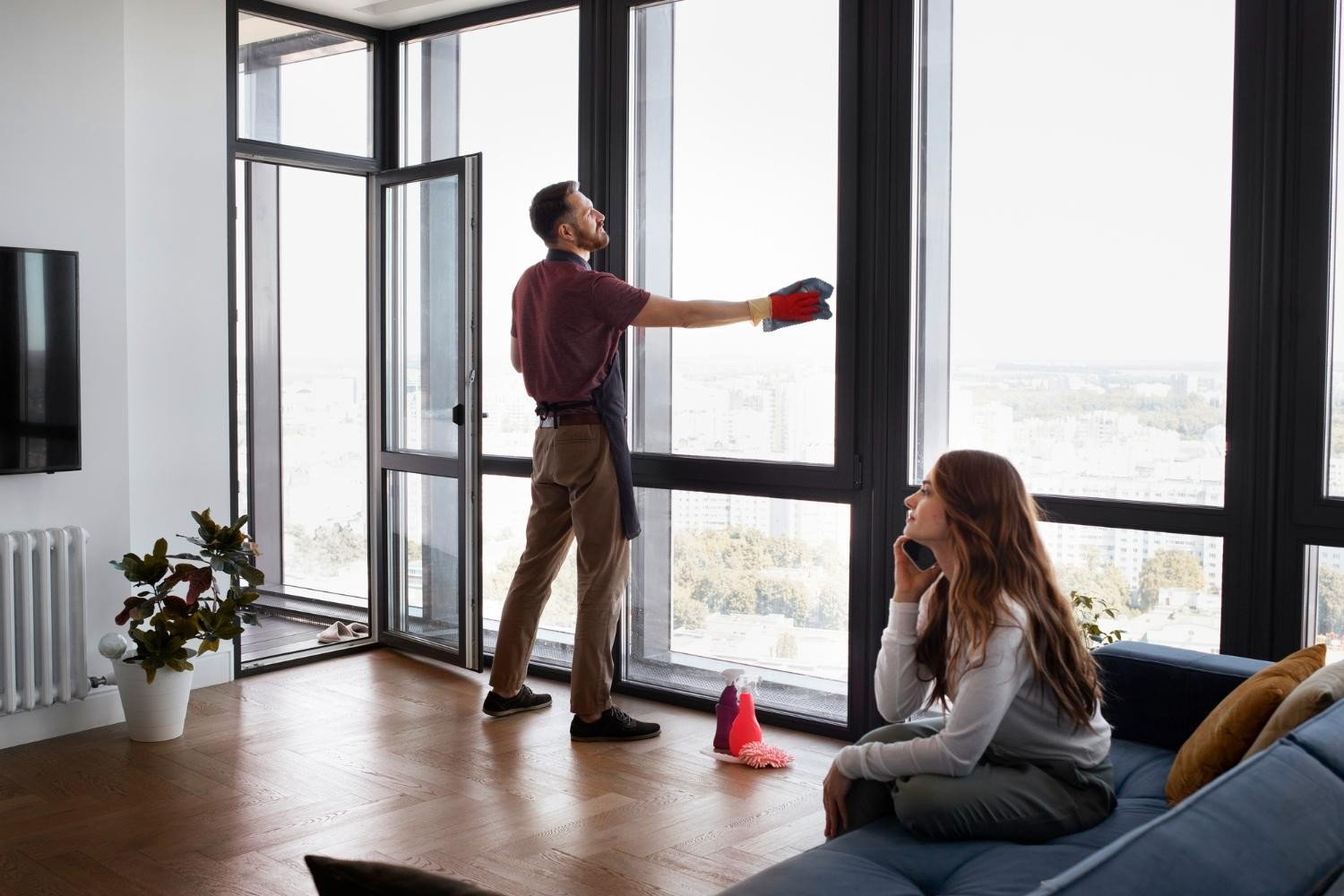
Windows bring natural light into homes, offices, vehicles, and commercial spaces, but they can also create a few everyday challenges. Strong sunlight can make rooms uncomfortable, increase glare on screens, and expose furniture and flooring to prolonged UV rays. Large windows may also reduce privacy, particularly in areas where buildings are close together or where rooms face busy streets.
Window tinting offers a practical way to address several of these concerns without blocking natural light completely. The right film can help manage sunlight, improve privacy, reduce glare, and provide protection from ultraviolet exposure. The results depend on the type of film selected, the location of the windows, and the way the space is used.
Professional window tinting services can help property owners choose and install film according to these factors. Understanding what window tint can do makes it easier to decide where it may be useful and which features should receive the most attention.
Better Comfort During Sunny Hours
Direct sunlight can significantly affect how comfortable a room feels. A window that receives strong afternoon sun may allow considerable heat to enter the space, making the area warmer than other parts of the property.
Window film can reduce the amount of solar energy entering through the glass. This can make rooms more comfortable during periods of strong sunlight, especially in spaces with large windows or extensive glass surfaces.
The difference can be particularly noticeable in rooms where people spend several hours each day. A home office, living room, reception area, or conference room can become uncomfortable when sunlight falls directly through the windows. Reducing solar heat can help create a more consistent indoor environment.
Tinted glass also changes the way sunlight enters the room. Instead of allowing intense light to pass through at full strength, the film filters part of that light. This can help reduce the sharp contrast between brightly lit windows and darker areas inside the room.
Reducing Glare From Windows
Glare is another common problem associated with uncovered windows. Sunlight reflecting from glass can make computer screens difficult to read and televisions harder to see. It can also cause discomfort when people are sitting near a sunny window for extended periods.
This issue is especially relevant in workspaces. Employees who regularly work near windows may find themselves adjusting blinds, curtains, or monitor positions throughout the day. In homes, glare can interfere with watching television or using devices during certain hours.
Window film can reduce the intensity of incoming sunlight and make bright areas easier to manage. The amount of glare reduction depends on the film’s shade and performance characteristics.
Reducing glare does not necessarily mean creating a dark room. Many films are designed to control excessive sunlight while still allowing useful natural light into the space.
Improving Privacy Without Completely Blocking the View
Privacy is another reason property owners consider window tint. Clear glass provides an unobstructed view from both sides, which may not be desirable for bedrooms, bathrooms, offices, conference rooms, or storefront areas.
A suitable film can make it more difficult for people outside to see into a space, depending on the film type and lighting conditions. Reflective and privacy films can provide different levels of visibility control.
Privacy requirements also vary by location. A street facing office may need more privacy than a window overlooking a private backyard. Similarly, a conference room may require privacy during meetings while still benefiting from natural light.
Choosing the right film requires consideration of both daytime and nighttime conditions. Some reflective films offer stronger privacy when the exterior is brighter than the interior, but the effect can change after dark when indoor lighting is stronger.
Protection From UV Exposure
Sunlight contains ultraviolet radiation, commonly referred to as UV rays. Prolonged exposure can contribute to fading and deterioration of interior materials.
Furniture, carpets, curtains, artwork, flooring, and other furnishings can gradually lose their original appearance when exposed to sunlight over long periods. UV filtering window film can help reduce the amount of ultraviolet radiation passing through the glass.
This does not mean that film completely eliminates fading. Different materials react differently to sunlight, and visible light and heat can also contribute to deterioration. However, reducing UV exposure can be one useful part of protecting interiors.
UV protection can be particularly valuable in rooms containing expensive furnishings, artwork, or materials that are sensitive to sunlight.
Choosing Film Based on the Space
Not every window needs the same type of film. A film that works well for a private office may not be appropriate for a storefront or living room.
Before choosing a product, consider:
- The direction the windows face
- The amount of direct sunlight received
- The level of privacy required
- Whether glare is a major concern
- The importance of maintaining a clear exterior view
- The type of glass already installed
- The appearance you want after installation
A south or west facing window may receive considerably more sunlight during certain parts of the day than a north facing window. Rooms with different orientations may therefore require different considerations.
Window Tint and Interior Appearance
Window film can also influence the appearance of a property. Depending on the type selected, film may have a neutral, lightly tinted, reflective, or more noticeable appearance.
For residential spaces, homeowners often want a film that fits naturally with the existing windows and exterior design. A subtle tint can provide useful solar control without dramatically changing the appearance of the home.
Commercial properties may have additional considerations. Storefronts, offices, and reception areas often need to maintain a professional appearance while managing glare and privacy.
The visual effect should therefore be considered alongside performance. A film may provide excellent solar control, but if its appearance does not suit the property, it may not be the right choice.
How Professional Installation Makes a Difference
The quality of installation can affect both appearance and performance. Window film needs to be applied carefully to create an even finish without visible bubbles, creases, or edges that look unfinished.
Professional window tinting services can also help identify factors that may influence installation, including glass type, window size, accessibility, and existing coatings.
Before installation, the glass should be properly prepared so that dirt and debris do not become trapped beneath the film. Careful application helps create a cleaner appearance and allows the film to adhere properly.
It is also useful to understand the care requirements after installation. Newly installed film may require a curing period before it reaches its final appearance. Following the installer’s cleaning and maintenance instructions can help protect the film.
Privacy Needs Can Change by Room
Privacy is rarely the same throughout an entire property. Different rooms have different functions, and window treatment should reflect those needs.
For example, a bedroom may benefit from greater privacy than a living room. An office may need privacy around desks and work areas, while a conference room may require stronger visual separation during meetings.
In a retail setting, privacy film can be used selectively rather than covering every window. Certain sections of glass can remain clear for visibility while other areas provide additional privacy.
This selective approach can help maintain natural light and openness while addressing specific privacy concerns.
Considering Daytime and Nighttime Conditions
Privacy film should always be evaluated according to the lighting conditions around the window.
During the day, a darker or reflective exterior may make it harder for people outside to see indoors. At night, interior lights can reverse the lighting balance, potentially making the inside more visible.
For spaces requiring privacy throughout the day and night, a film may need to be combined with another window treatment, such as blinds or curtains.
Understanding this before installation prevents unrealistic expectations and helps property owners select a solution that matches the actual privacy requirement.
Is Window Tint Suitable for Every Window?
Most standard glass windows can accommodate some type of window film, but the specific glass construction matters. Certain insulated glass units, specialty glass, or existing coatings may have compatibility considerations.
The condition of the glass should also be checked before installation. Cracks, damaged seals, or other existing issues may need attention first.
A professional assessment can help determine which film is suitable for a particular window. This is especially useful when a property has different glass types or large areas of glazing.
Getting More Value From Your Window Film
Window film works best when its purpose is clearly defined before installation. Instead of selecting a film based only on how dark it looks, consider the actual problem you want to address.
For example:
- Choose a film with strong solar control when indoor heat is the main concern.
- Consider glare reduction when windows interfere with computer screens or televisions.
- Look for privacy characteristics when visibility from outside is a concern.
- Consider UV filtering properties when protecting furnishings is a priority.
- Select a subtle appearance when maintaining the existing look of the property matters.
A balanced choice can provide several benefits without creating new problems, such as excessive darkness or reduced visibility.
Frequently Asked Questions
Does window tint make a room completely dark?
Not necessarily. Window films are available in different shades and levels of light transmission. A lighter film can reduce glare and solar exposure while allowing plenty of natural light into the room.
Can window film improve privacy?
Yes, certain films are designed specifically for privacy. The level of privacy depends on the film type, window position, lighting conditions, and viewing angle.
Does window tint block UV rays?
Many quality window films are designed to significantly reduce UV transmission through glass. The exact level of protection depends on the specific film.
Can window tint reduce indoor heat?
Solar control films can reduce the amount of solar energy entering through windows, which may help make rooms more comfortable during periods of strong sunlight.
How long does window film last?
The lifespan varies according to the film type, installation quality, window location, exposure, and maintenance. A professional installer can provide product specific information based on the selected film.
Can window film be installed on existing windows?
In many cases, yes. Window film is commonly installed on existing glass without replacing the window itself. However, the glass type and existing coatings should be assessed before installation.
Does window tint require special maintenance?
Most window films require relatively simple care. Using appropriate cleaning products and avoiding abrasive materials can help protect the film’s surface.
A Practical Way to Improve Your Windows
Windows do more than provide views and natural light. They influence indoor temperature, glare, privacy, and the condition of interior furnishings. The right film can help address several of these factors while preserving the benefits of natural daylight.
For homeowners and businesses, the best choice depends on how each space is used and which concerns matter most. Professional window tinting services can make the selection and installation process easier by evaluating the property and recommending film based on its specific requirements.
With careful selection and proper installation, window film can provide a useful combination of comfort, privacy, glare control, and UV protection while maintaining the character of the existing glass.
