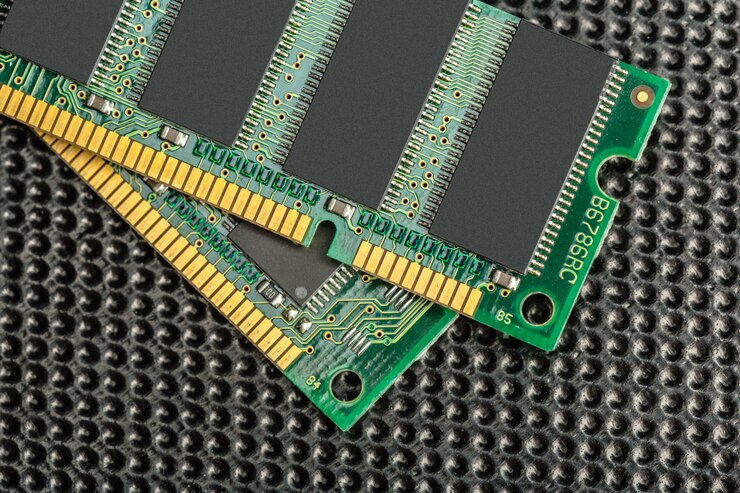
High-performance computing depends on hardware that can process large amounts of data without creating unnecessary delays. From scientific research and financial modeling to artificial intelligence and advanced engineering, these tasks require fast processors and enough memory to keep data moving. DDR5 memory modules help meet these demands by offering higher data transfer rates, improved bandwidth, and greater memory capacity than earlier generations. For businesses building or upgrading computing systems, understanding how DDR5 works can help them make practical hardware decisions. RAM Exchange provides a useful starting point for exploring memory options that suit different computing requirements.
What Makes DDR5 Memory Different?
DDR5 stands for Double Data Rate 5, a generation of synchronous dynamic random-access memory (SDRAM) designed for modern computing platforms. It succeeds DDR4 and introduces changes that support faster data movement and improved power management. Memory acts as a temporary workspace for a computer. It holds the information and instructions that a processor needs to access quickly. When memory cannot supply data fast enough, the processor may have to wait, which can slow down demanding applications.
DDR5 addresses this challenge through several improvements:
- Higher data rates: DDR5 supports faster data transfers than DDR4, helping compatible systems handle demanding workloads.
- Greater bandwidth: More data can move between memory and the processor, which is useful for applications that process large datasets.
- Higher memory capacity: DDR5 platform designs support high-capacity memory configurations, depending on the motherboard and processor.
- Improved power management: DDR5 moves power management circuitry onto the memory module, helping regulate power delivery.
- Better efficiency at the module level: DDR5 operates at a lower standard voltage than DDR4, although total system power use depends on the workload and configuration.
These improvements make DDR5 a strong option for systems designed to handle intensive computing tasks.
Faster Data Processing for Demanding Workloads
High-performance computing often involves processing millions or billions of calculations across large datasets. The processor performs the calculations, while memory supplies the data and instructions needed to complete them. Insufficient memory bandwidth can limit performance, particularly when several processor cores request data at the same time. DDR5 provides higher bandwidth, helping compatible systems move information more efficiently.
This can benefit applications such as:
- Scientific simulations that calculate physical processes or model complex systems.
- Engineering software used for computer-aided design and computational fluid dynamics.
- Financial analysis involving large datasets and repeated calculations.
- Data analytics platforms that process extensive business records.
- Artificial intelligence workloads that require frequent access to model parameters and training data.
The actual performance improvement depends on the application. Tasks limited by processor speed, storage performance, or software design may see smaller gains from a memory upgrade alone.
Supporting Artificial Intelligence and Machine Learning
Artificial intelligence systems often work with large datasets and models containing millions or billions of parameters. Training and running these models can place considerable demands on memory, especially when several tasks operate at once. DDR5 can help feed compatible CPUs with data at higher bandwidths, reducing some memory-related bottlenecks. It can also support systems that need substantial main memory to prepare datasets, manage workloads, or coordinate information between storage and accelerators.
However, system memory and graphics memory serve different purposes. Many AI workloads rely heavily on GPUs with dedicated high-bandwidth memory. DDR5 does not replace that memory, but it can support the surrounding system by providing working space for datasets, application processes, and other tasks. Organizations choosing computer memory products for AI development should consider the size of their models, the amount of data they process, and whether their applications depend more on CPU memory or GPU memory.
Handling Large Datasets and Multitasking
High-performance computing systems often run several processes at once. A research workstation might execute a simulation while storing intermediate results and running data analysis software. A business server may handle multiple virtual machines, databases, and background services simultaneously. Adequate memory capacity helps these workloads operate without relying excessively on slower storage. If available RAM becomes insufficient, the operating system may move some data to a storage drive. This process, known as paging or swapping, can cause noticeable slowdowns.
DDR5 systems can be configured with substantial memory capacity when supported by the platform. This gives organizations more room to run memory-intensive applications and manage concurrent workloads. RAM Exchange can be considered when comparing memory options for workstations, servers, and other compatible computing systems. Buyers should check module specifications and platform requirements before selecting components.
Energy Efficiency and Thermal Considerations
Power consumption matters in computing environments where equipment runs for long periods. Data centers, research facilities, and server rooms must manage electricity use alongside heat generated by processors, memory, and other components. Standard DDR5 memory operates at 1.1 volts, compared with 1.2 volts for standard DDR4. DDR5 also includes an on-module power management integrated circuit, which handles aspects of power regulation.
These design changes can support efficient operation, but lower voltage does not automatically mean every DDR5 system uses less total energy. Module capacity, operating speed, workload, and the rest of the hardware all influence power consumption. Good thermal management remains necessary, particularly in densely populated servers. Adequate airflow, suitable cooling, and compatible memory configurations help maintain stable operation under sustained workloads.
Choosing the Right DDR5 Memory Modules
Selecting memory requires more than choosing the highest advertised speed. Compatibility and workload requirements should guide the decision.
Before purchasing, review the following factors:
- Memory capacity: Estimate the RAM required by the operating system, applications, datasets, and expected workload growth.
- Supported speed: Check the processor and motherboard specifications for supported DDR5 data rates.
- Module type: Confirm whether the system requires standard desktop DIMMs, laptop SO-DIMMs, or server memory such as registered DIMMs.
- ECC support: Error-correcting code memory can detect and correct certain memory errors. Confirm that the processor, motherboard, and software support the required ECC configuration.
- Module arrangement: Check the number of available slots and supported memory channels to choose a suitable configuration.
- Operating conditions: Consider cooling, system stability, and workload demands when selecting memory for continuous use.
Mixing incompatible module types or exceeding platform capacity can prevent a system from operating correctly. Some systems may also run memory below its advertised speed because of processor or motherboard limitations. Comparing computer memory products by capacity, specifications, and compatibility helps buyers avoid unnecessary purchases and select components that fit their actual needs.
DDR5 in Workstations, Servers, and Research Systems
DDR5 is used across a range of computing platforms, provided the processor and motherboard support it. Professional workstations can benefit from its bandwidth when running demanding design, simulation, and content-processing applications. Servers may use DDR5 to support virtualization, database operations, cloud services, and memory-intensive business applications. Research teams can also benefit from suitable DDR5 configurations when analyzing large datasets or running computational models.
RAM Exchange is a relevant resource for businesses comparing memory components for different hardware requirements. The right configuration depends on the specific system, the type of workload, and the balance between memory capacity, performance, and budget. DDR5 is not necessary for every computer. Basic office tasks and older systems may work well with existing memory. For compatible platforms running demanding workloads, however, DDR5 can provide additional bandwidth and capacity that help meet growing computing needs.
Preparing Computing Systems for Future Workloads
Computing demands continue to expand as organizations use larger datasets, more complex software, and increasingly demanding analytical tools. Choosing a suitable memory configuration can help systems manage these requirements without unnecessary bottlenecks. DDR5 offers practical advantages through faster data transfer, support for higher memory capacities, and updated power management. Its benefits are strongest when the processor, storage, software, and memory work together effectively.
Businesses should assess current workloads before upgrading and consider expected requirements over the next few years. Comparing specifications carefully and selecting compatible components can help extend the usefulness of a computing system. Contact us today to explore suitable memory options for your computing requirements. RAM Exchange can help you compare available memory products and identify components that match your system specifications and performance goals.
