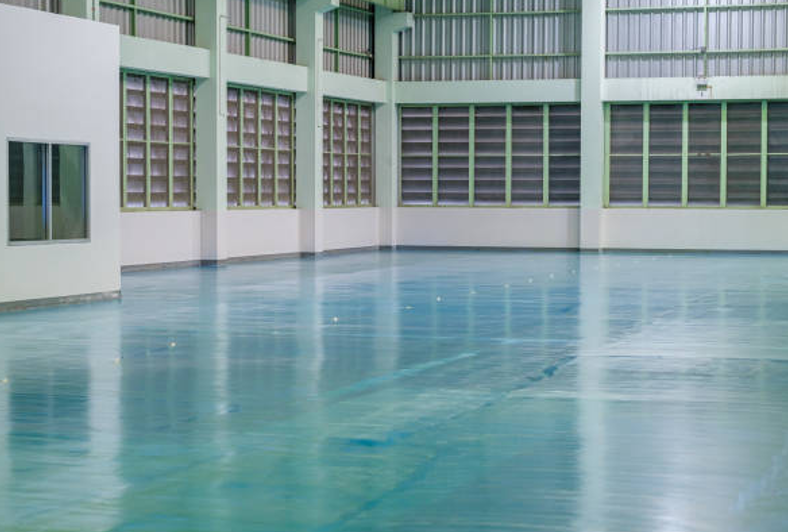
An uneven concrete floor can affect the appearance, stability, and performance of your flooring. Whether you are preparing a property for renovation, installing new floor coverings, or improving a commercial space, achieving a suitable floor level is an important part of the process. Uneven surfaces can create installation difficulties, affect furniture placement, and lead to problems with the finished flooring if the underlying issues are not addressed.
Professional floor levelling helps prepare concrete surfaces for their intended use by correcting dips, high spots, and other irregularities. The appropriate method depends on the condition of the existing slab, the required finish, and the type of flooring being installed.
If you are considering floor levelling Brisbane, understanding the warning signs, preparation methods, and factors affecting the work can help you make an informed decision. This guide explains when professional floor levelling may be necessary and what to consider before starting a project.
What Is Concrete Floor Levelling?
Concrete floor levelling is the process of correcting variations in a concrete surface to achieve the required levelness or flatness. It may involve grinding high areas, filling low spots, applying suitable levelling compounds, or using other preparation methods based on the slab’s condition.
The objective is to create a suitable base for the next stage of construction or flooring installation. However, floor levelling does not automatically resolve structural defects, moisture problems, or every form of concrete damage. These issues must be assessed separately before selecting a treatment.
Understanding Floor Levelling and Subfloor Preparation
Subfloor preparation involves assessing and preparing the existing surface so that the selected flooring system can be installed correctly. Levelling is one part of this process, alongside cleaning, removing unsuitable materials, repairing appropriate defects, and checking moisture conditions where required.
The acceptable level of flatness depends on the flooring material and its installation specifications. Tiles, vinyl, timber flooring, carpet, and other finishes can have different substrate requirements. A surface that appears reasonably flat may still need preparation to meet the manufacturer’s tolerances.
When Is Levelling Different From Concrete Repair?
Floor levelling primarily addresses surface height variations and irregularities. Concrete repair focuses on defects such as damaged sections, deterioration, spalling, or certain types of cracking.
Some projects require both processes. For instance, damaged concrete may need to be repaired before a levelling compound can be applied. If cracks appear to indicate structural movement, the underlying cause should be investigated rather than simply covering the affected area.
What Are the Signs That a Concrete Floor Needs Levelling?
Identifying surface irregularities early can help prevent complications during flooring installation. While some defects are visible, others require measurements or a professional inspection to determine their extent.
Uneven Surfaces, Dips, and Raised Sections
Noticeable slopes, depressions, and raised areas can indicate that a concrete floor requires further assessment. These variations may affect how flooring materials sit on the substrate and whether the finished surface meets the necessary installation tolerances.
A straightedge, appropriate levelling equipment, and systematic measurements can help identify uneven areas. The goal is to establish whether the variations are within the permitted limits for the intended flooring system.
Cracks, Surface Defects, and Localised Low Spots
Cracks, chipped sections, surface scaling, and low spots can interfere with floor preparation. However, not every crack requires the same treatment, and not every surface defect can be corrected with a levelling compound.
The condition of the concrete, the extent of the damage, and any signs of movement should be considered before work begins. Appropriate repairs may be necessary to provide a stable base for subsequent flooring.
Problems Preparing the Floor for New Coverings
Difficulties fitting flooring materials, visible gaps beneath straightedges, or concerns about the alignment of adjoining surfaces can indicate that additional preparation is needed.
Flexible coverings may reveal imperfections beneath them, while rigid materials can require particular attention to flatness and support. Checking the substrate before installation helps determine whether grinding, patching, levelling, or another preparation method is appropriate.
Why Is Professional Floor Levelling Important?
A properly prepared concrete surface supports the performance of the flooring installed above it. Professional assessment helps identify the preparation required and reduces the likelihood of applying an unsuitable material or overlooking existing defects.
Creating a Suitable Base for Tiles, Carpet, and Other Floor Coverings
Different flooring materials have different substrate requirements. Tiles generally need suitable support and an adequately prepared surface, while vinyl and other thin coverings may reveal small imperfections beneath them. Carpet installations can also be affected by uneven transitions and irregularities in the underlying floor.
Floor levelling helps bring the substrate closer to the tolerances specified for the selected flooring. This is particularly important when changing floor finishes during a renovation or preparing a new construction project.
Supporting Flooring Performance and Reducing Installation Issues
An unsuitable substrate can contribute to problems such as uneven joints, visible surface irregularities, poor adhesion, or movement-related damage, depending on the flooring system.
Levelling alone cannot guarantee a defect-free installation, but it addresses one important part of preparation. Correct material selection, moisture assessment, appropriate curing, and compliance with installation instructions are also necessary.
Improving Floor Functionality in Commercial and Residential Spaces
In residential properties, a suitable floor surface can support a more consistent finish across rooms and adjoining areas. In commercial environments, floor preparation may also affect the movement of trolleys, equipment, and other items across the surface.
For industrial facilities, the required tolerances may depend on the equipment, vehicle traffic, storage systems, and operational activities. These requirements should be established before choosing a levelling method.
How Does the Concrete Floor Levelling Process Work?
The floor levelling process should begin with an assessment rather than an assumption that one product or technique will suit every slab. The condition of the concrete, the intended flooring, and the project requirements determine the appropriate approach.
Inspecting the Existing Concrete Surface
The initial inspection identifies visible damage, surface contamination, coatings, cracks, and other conditions that could affect preparation. The assessment may also consider moisture, access, adjoining floor heights, and the condition of the existing substrate.
This information helps determine whether the surface can be levelled directly or requires additional repairs and preparation first.
Measuring Floor Levels and Identifying Defects
Measurements help establish where the floor rises or falls and how much correction may be required. The assessment should distinguish between surface flatness and overall levelness because these are related but different properties.
The required tolerance depends on the intended use of the floor and the manufacturer’s instructions for the selected covering. Measurements also help estimate the materials, labour, and preparation work needed.
Preparing the Surface and Applying Suitable Levelling Materials
Preparation may include mechanical grinding, removing loose material, cleaning the substrate, repairing suitable defects, and applying a compatible primer. Depending on the requirements, contractors may use a self-levelling compound, a repair mortar, grinding, or a combination of techniques.
The selected product must be compatible with the existing concrete and the intended floor finish. Application thickness, environmental conditions, mixing instructions, and curing requirements should follow the manufacturer’s specifications.
Checking Surface Readiness Before Installing Flooring
Once the levelling work has been completed, the surface should be checked against the required tolerances. The contractor must also allow adequate curing or drying time before the next stage.
Moisture testing may be necessary before installing moisture-sensitive coverings or adhesives. Proceeding before the substrate is ready can compromise the performance of the finished floor.
Which Properties Can Benefit From Floor Levelling in Brisbane?
Floor levelling can be useful across different property types, although the required preparation method varies according to the building’s purpose and the flooring system.
Commercial Offices and Retail Fit-Outs
Offices and retail spaces often require consistent floor surfaces to support the installation of tiles, vinyl, carpet, or other commercial flooring. Levelling may also be needed when renovating older interiors or aligning new flooring with adjoining areas.
Project planning should account for access restrictions, tenant requirements, and the time needed for preparation and curing.
Warehouses, Factories, and Industrial Facilities
Industrial floors may need to meet specific flatness and levelness requirements for equipment, material handling, and vehicle movement. The appropriate tolerances can be more demanding than those for general residential flooring.
A site assessment should consider traffic loads, equipment specifications, existing slab condition, and the operational requirements of the facility. Surface levelling should not be treated as a replacement for structural assessment where structural concerns exist.
Residential Renovations and New Flooring Projects
Homeowners may need floor levelling when replacing existing coverings, renovating rooms, or preparing a concrete slab for a new finish. Correcting irregularities before installation can help create a more consistent result across the finished floor.
The work should also account for door clearances, adjoining room heights, skirting boards, and transitions between different flooring materials.
What Factors Affect Floor Levelling Requirements and Costs?
The cost of floor levelling in Brisbane depends on the work required at the property. An accurate estimate should account for the condition of the slab, the preparation method, and the performance requirements of the final flooring.
Floor Area, Existing Condition, and Level Differences
Larger floor areas may require more materials and labour, but the total area is only one cost factor. Significant dips, high spots, damaged sections, or substantial variations can increase the preparation required.
A relatively flat slab may need only minor corrections, whereas a severely uneven surface may require more extensive grinding, filling, or repairs.
Surface Preparation and Levelling Material Selection
The concrete may require cleaning, coating removal, mechanical preparation, priming, crack treatment, or other work before levelling begins. The choice of compound or repair material also affects the project scope.
Materials must be selected according to the depth of correction, substrate compatibility, intended floor covering, and expected conditions. Using an unsuitable product can lead to adhesion problems or an inadequate finished surface.
Access, Drying Times, and Project Scheduling
Restricted access, furniture or equipment removal, working-hour limitations, and the need to coordinate other trades can influence project costs. Drying and curing requirements may also affect the overall schedule.
A quotation should explain the preparation work, materials, exclusions, and conditions that could change the final price. A site inspection is generally more reliable than an estimate based only on floor area.
How Do You Choose a Floor Levelling Contractor in Brisbane?
Selecting a contractor involves more than comparing prices. The quality of the assessment, suitability of the proposed method, and clarity of the project scope all influence the outcome.
Assessing Experience, Licensing, and Insurance
Look for contractors with relevant experience in concrete preparation and the type of flooring project involved. Ask about applicable licensing and insurance, and confirm that the proposed work aligns with relevant requirements.
A contractor should be able to explain the preparation process and identify situations where additional investigation or repairs may be needed.
Confirming Preparation Methods and Scope of Work
Ask how the existing slab will be assessed, which levelling method is proposed, and how the surface will be prepared. The scope should clarify whether grinding, priming, repairs, moisture testing, and disposal of removed materials are included.
Understanding these details makes it easier to compare quotations fairly and avoid unexpected work.
Understanding Quotes, Site Conditions, and Expected Results
A detailed quotation should describe the work, materials, estimated schedule, and conditions that may affect the final result. It should also explain the surface tolerances required for the intended flooring rather than promise that every floor can be made perfectly level.
For professional concrete preparation and levelling information, visit Allure Concrete Solutions to explore the available services and determine the next steps for your project.
Frequently Asked Questions About Floor Levelling in Brisbane
1. How do I know if my concrete floor needs levelling?
Signs include visible dips, raised areas, uneven transitions, and surface variations that exceed the requirements of the intended flooring. A professional inspection and appropriate measurements can confirm whether levelling is necessary.
2. Can all uneven concrete floors be levelled?
Many uneven floors can be corrected, but the appropriate method depends on the slab’s condition, the depth of the variations, and the cause of any damage. Structural movement, severe deterioration, or moisture issues may need to be addressed before levelling begins.
3. How long does concrete floor levelling take?
The timeframe depends on the floor area, surface preparation, depth of correction, materials used, and curing requirements. Some projects can be completed relatively quickly, while more complex work takes longer. The floor should not be covered until it meets the relevant product and installation requirements.
4. Is floor levelling necessary before installing tiles or vinyl?
Floor levelling is necessary when the existing substrate does not meet the flatness or preparation requirements of the chosen flooring system. Not every concrete floor needs a levelling compound, but it should be assessed before installation to identify any necessary corrections.
5. How much does floor levelling cost in Brisbane?
The cost varies according to the floor area, condition of the concrete, extent of unevenness, preparation work, materials, and site access. A site inspection and detailed quotation provide a more dependable estimate than a general price per square metre.
Conclusion: Preparing Your Brisbane Floor for a Better Finish
Professional floor levelling is an important step when a concrete surface does not meet the requirements of the intended flooring. Uneven areas, low spots, raised sections, and surface defects can affect installation quality and the performance of the finished floor. Identifying these issues early helps establish the correct preparation method and avoid unnecessary complications.
The best approach depends on the existing slab, the required tolerances, the selected floor covering, and the conditions at the property. Professional assessment can help determine whether grinding, levelling compounds, concrete repairs, or a combination of methods is appropriate.
Before starting a renovation or commercial flooring project, make sure the substrate is assessed and prepared according to the relevant installation requirements. To discuss your concrete floor preparation needs in Brisbane, visit Contact Us and enquire about a suitable approach for your project.
