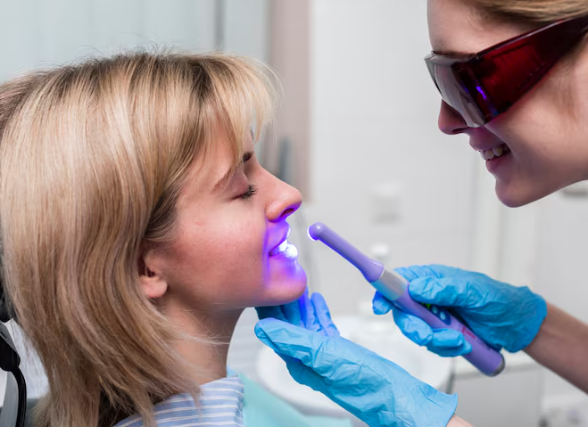
A brighter smile can improve the appearance of your teeth, but not every type of discoloration responds to whitening in the same way. Food, beverages, tobacco use, aging, certain medications, dental trauma, and changes within the tooth can all contribute to darker or uneven-looking teeth. Professional whitening provides a way to address many types of surface and internal staining after a dentist determines that whitening is appropriate.
A teeth whitening dentist can evaluate the condition of your teeth and gums before recommending a whitening treatment. This assessment helps identify the cause of discoloration and determine whether professional whitening, another cosmetic treatment, or restorative care would be more appropriate.
Professional whitening can also provide more controlled treatment than many over-the-counter products. The concentration of whitening ingredients, application method, treatment duration, and follow-up recommendations can be selected according to the patient’s dental condition and desired level of whitening.
What Does a Teeth Whitening Dentist Do?
A teeth whitening dentist does more than apply a whitening product. Before treatment, the dentist examines the teeth and gums to determine whether there are problems that should be addressed first. Cavities, gum inflammation, damaged restorations, enamel defects, or significant sensitivity can affect the suitability of whitening.
The dentist also considers the type and cause of discoloration. Surface stains caused by certain foods and drinks may respond differently from discoloration that originates inside the tooth. Identifying the cause helps establish realistic expectations about what whitening can accomplish.
For patients considering teeth whitening dentist services, a professional assessment can also help determine which whitening method is appropriate. Treatment may involve in-office whitening, professionally provided take-home products, or another cosmetic option depending on the patient’s needs.
Professional Teeth Whitening vs. Over-the-Counter Options
Over-the-counter whitening products are widely available and include whitening strips, toothpastes, gels, rinses, and other products. These options can be useful for some types of surface staining, but their strength and application methods differ from professional treatments.
Professional whitening is planned around the patient’s teeth rather than applying the same approach to everyone. A dentist can assess existing restorations, gum health, enamel condition, and sensitivity before treatment begins.
Professional whitening may offer advantages such as:
- Dental assessment before whitening
- Controlled application of whitening products
- Treatment selected according to the type of discoloration
- Guidance for managing sensitivity
- Professional monitoring when treatment is performed in the dental office
- Advice on maintaining the results
The best option depends on the patient’s oral health and the type of whitening result being sought.
What Causes Tooth Discoloration?
Teeth can become darker for many reasons. Some stains develop on the outer surface of the enamel, while other forms of discoloration occur within the tooth structure.
Common sources of tooth discoloration include coffee, tea, red wine, tobacco, certain foods, aging, and inadequate plaque control. Some teeth may also become darker following trauma or changes to the internal tooth structure.
Certain medications taken during tooth development can cause intrinsic discoloration. Fluorosis and enamel development changes can also produce patterns that do not respond to conventional whitening in the same way as surface stains.
A dentist can evaluate whether the discoloration appears to be:
- Extrinsic, meaning it is primarily on the tooth surface
- Intrinsic, meaning it is located within the tooth
- Related to enamel development
- Associated with dental trauma
- Caused by decay or another dental condition
- Associated with an existing dental restoration
This distinction is important because whitening is not an appropriate solution for every type of discoloration.
How a Dentist Assesses Whitening Suitability
Before professional whitening, the dentist may examine the teeth, gums, and existing dental restorations. The goal is to identify conditions that could affect treatment or require attention first.
A dental examination may identify cavities, cracked teeth, gum disease, worn enamel, exposed tooth surfaces, or other concerns. Treating these problems before whitening can be important for comfort and oral health.
Existing restorations also require consideration. Crowns, veneers, bridges, fillings, and other restorations do not generally respond to whitening agents in the same way as natural tooth enamel. Whitening natural teeth may therefore create a difference in color between the teeth and existing restorations.
This is why a whitening consultation should focus on the overall appearance of the smile rather than simply selecting the strongest available whitening product.
What Is In-Office Teeth Whitening?
In-office teeth whitening is performed under professional supervision. The dentist prepares the mouth and applies a whitening product according to the selected treatment protocol.
The whitening agent is placed on the teeth while the surrounding soft tissues are protected as appropriate. Depending on the treatment system, the whitening product may remain on the teeth for a specified period and may be reapplied during the appointment.
The exact process varies by dental practice and whitening system. Some treatments are completed during one appointment, while others may involve additional sessions or professionally provided take-home treatment.
The dentist can explain:
- How long the appointment is expected to take
- Which whitening product will be used
- How much color improvement may be realistic
- Whether sensitivity is likely
- What foods and drinks should be limited afterward
- How to maintain the results
Understanding Professional Whitening Results
Whitening results are not identical for every person. The starting shade of the teeth, cause of discoloration, enamel characteristics, age, lifestyle, and treatment method can all affect the outcome.
Some patients may achieve a noticeable improvement in tooth color, while others may see a more limited change. Intrinsic discoloration may be more difficult to treat with conventional whitening than surface staining.
The goal should be a brighter, natural-looking smile rather than an unrealistic shade. Your dentist can discuss the likely range of improvement after evaluating your teeth.
It is also important to understand that whitening does not permanently change the natural color of teeth. Over time, teeth can become stained again through exposure to foods, beverages, tobacco, and other factors.
Managing Sensitivity During Teeth Whitening
Temporary tooth sensitivity is one of the more common concerns associated with whitening. Sensitivity can occur because whitening ingredients interact with the tooth structure and may temporarily affect how the teeth respond to temperature or other stimuli.
The degree of sensitivity varies between individuals. People who already have sensitive teeth, enamel wear, gum recession, cracks, or other dental concerns may require particular consideration before whitening.
A dentist can recommend strategies to reduce discomfort when appropriate. These may include modifying the treatment schedule, using a lower concentration of whitening product, selecting a different treatment method, or recommending products designed to help with sensitivity.
Patients should tell their dentist about existing sensitivity before starting treatment rather than waiting until discomfort develops.
When Whitening Is Not the Right Treatment
Whitening is designed primarily to change the color of natural tooth structure. It does not repair cavities, restore broken teeth, or replace missing dental tissue.
Certain types of discoloration may also require another cosmetic or restorative treatment. For example, a darkened tooth caused by internal damage may need dental evaluation before cosmetic whitening is considered.
Patients experiencing tooth pain treatment needs should address the underlying dental problem rather than attempting to whiten a painful tooth. Pain, swelling, sensitivity, or other symptoms can indicate a condition requiring diagnosis and treatment.
Other concerns that may need attention before whitening include:
- Active tooth decay
- Significant gum inflammation
- Cracked or damaged teeth
- Severe sensitivity
- Unresolved tooth pain
- Certain enamel defects
- Existing restorations that may not match after whitening
A dentist can determine whether whitening should proceed or whether another treatment should come first.
Can Dental Restorations Be Whitened?
Dental restorations such as crowns, veneers, bridges, and tooth-colored fillings are made from materials that generally do not respond to whitening products in the same way as natural enamel.
This means whitening natural teeth may change their color while an existing restoration remains at its original shade. If a visible restoration is already present, the dentist may need to consider its color before planning whitening.
In some cases, whitening can be completed before a new restoration is made so that the restoration can be selected to better match the new tooth shade. Existing restorations may require separate cosmetic treatment or replacement if their color no longer matches the surrounding teeth.
Discussing restorations before whitening can help prevent unexpected differences in shade.
Laser Dentistry and Teeth Whitening
Laser technology is used for selected dental procedures, but laser dentistry and teeth whitening are not the same treatment. The term laser whitening may refer to certain systems or techniques used alongside whitening products, depending on the dental practice and equipment.
Laser technology may also be used for other dental procedures unrelated to cosmetic whitening. For example, laser dentistry for cavities may be considered for selected cavity treatment, depending on the tooth and clinical situation.
The dentist should explain exactly what technology will be used and what role it plays in the treatment. Patients should focus on the overall whitening protocol and suitability rather than assuming that laser use automatically produces better results.
How to Maintain Professional Whitening Results
Professional whitening does not prevent future staining. Maintaining a brighter smile requires ongoing oral hygiene and attention to habits that can contribute to discoloration.
Brushing twice a day and cleaning between the teeth can help control plaque and maintain oral cleanliness. Regular dental examinations and professional cleanings can also help manage surface buildup and identify problems early.
After whitening, patients may be advised to limit exposure to strongly staining foods and beverages for a period of time. Smoking and tobacco use can also contribute to discoloration and may affect how long the whitening results remain noticeable.
Helpful maintenance habits include:
- Brush teeth twice daily
- Clean between teeth every day
- Attend regular dental examinations
- Follow professional cleaning recommendations
- Limit frequent exposure to strongly staining foods and beverages
- Avoid tobacco products
- Follow any whitening maintenance instructions provided by the dentist
The duration of whitening results varies from person to person.
How Often Can You Whiten Your Teeth?
There is no single whitening schedule that is appropriate for everyone. The frequency depends on the whitening method, concentration of the product, sensitivity, oral health, and how quickly staining returns.
Repeated whitening without professional guidance can increase the risk of sensitivity and may not provide additional benefits if the teeth have already reached an appropriate shade. A dentist can recommend whether maintenance whitening is appropriate and how often it should be performed.
Patients should also avoid assuming that stronger or more frequent whitening will necessarily produce a better result. The condition of the enamel and the cause of discoloration need to be considered before additional treatment.
When Should You See a Teeth Whitening Dentist?
A professional whitening consultation can be useful if you have stained or yellowed teeth and want to understand which whitening options may be suitable. It is particularly helpful when discoloration is uneven, persistent, or accompanied by sensitivity or other dental symptoms.
A dentist can determine whether the discoloration is likely to respond to whitening and identify any dental problems that should be treated first. The consultation also provides an opportunity to discuss in-office whitening, professional take-home options, or alternative cosmetic treatments.
Professional whitening should be approached as part of overall dental care rather than as an isolated cosmetic procedure. A healthy foundation can help support a more comfortable and appropriate treatment experience.
If you would like to discuss whitening options or other dental services, you can contact Implant Oral Surgery & Aesthetics.
Conclusion
A teeth whitening dentist can help determine whether professional whitening is an appropriate way to improve the color of your natural teeth. The process begins with an assessment of the teeth and gums, followed by consideration of the type of discoloration, existing restorations, sensitivity, and desired outcome.
Professional whitening can provide controlled treatment for many types of staining, but it is not suitable for every dental condition. Addressing cavities, gum problems, tooth pain, damaged teeth, or other concerns first can be important for safe and appropriate cosmetic care.
With professional guidance and consistent oral hygiene, patients can make informed decisions about whitening treatment and maintenance. A dental consultation remains the best way to understand which whitening option fits the condition of your smile.
Frequently Asked Questions
1. Is professional teeth whitening better than over-the-counter whitening?
Professional whitening provides dental assessment and treatment guidance, which can be useful for determining whether whitening is appropriate. The best option depends on the type of discoloration, oral health, sensitivity, and desired outcome.
2. How long does professional teeth whitening last?
Whitening results vary between individuals. Results can gradually fade as teeth are exposed to foods, beverages, tobacco, and other sources of staining. Maintenance treatment may be recommended based on individual needs.
3. Can teeth whitening cause sensitivity?
Temporary sensitivity can occur after whitening. People with existing sensitivity or certain dental conditions may need a modified treatment approach, so these concerns should be discussed with a dentist before treatment.
4. Can crowns and fillings be whitened?
Most dental restorations do not whiten in the same way as natural tooth enamel. Whitening natural teeth may therefore create a difference in shade between the teeth and existing restorations.
5. Can every type of tooth discoloration be treated with whitening?
No. Some intrinsic stains, enamel conditions, trauma-related discoloration, decay, and restoration-related color differences may require other treatments. A dental examination can help determine the cause of discoloration and the most appropriate option.
