Choosing dental implants involves more than selecting a replacement for a missing tooth. Patients should compare treatment plans based on the implant components, materials, diagnostic procedures, restoration design, follow-up care, and services included in the written estimate. A well-documented plan explains why each procedure is recommended and how the components work together. For patients considering dental implants Tysons corner, reviewing these details helps clarify clinical differences between proposed treatments. G4 Dental Implants can be part of a patient’s research into implant care, but the final decision should rest on individual oral health needs, clinical findings, and a clear discussion with the treating dentist.
Start With the Clinical Details of Each Treatment Plan
Two implant proposals may appear similar because both recommend replacing the same missing tooth. However, the underlying treatment can differ significantly. One plan may require bone grafting or additional periodontal treatment, while another may recommend implant placement based on existing bone support. The number and position of implants, the condition of neighboring teeth, and the type of final restoration also affect the recommended approach.
During a dental implant consultation, ask the provider to explain the diagnosis behind the proposed treatment. Request a review of your gum health, bone volume, bite alignment, medical history, and any factors that could affect healing. These findings should explain why the dentist recommends a particular implant position, restoration design, or preparatory procedure.
A useful comparison focuses on clinical reasoning rather than the number of procedures listed. An additional procedure may be justified by your anatomy, while a simpler plan may be appropriate when the supporting bone and surrounding tissues are healthy. The goal is to understand what each treatment addresses and how the recommendation relates to your individual needs.
See also: Maintaining Life Safety Standards During Large Events and System Maintenance Operations
Understand the Three Main Implant Components
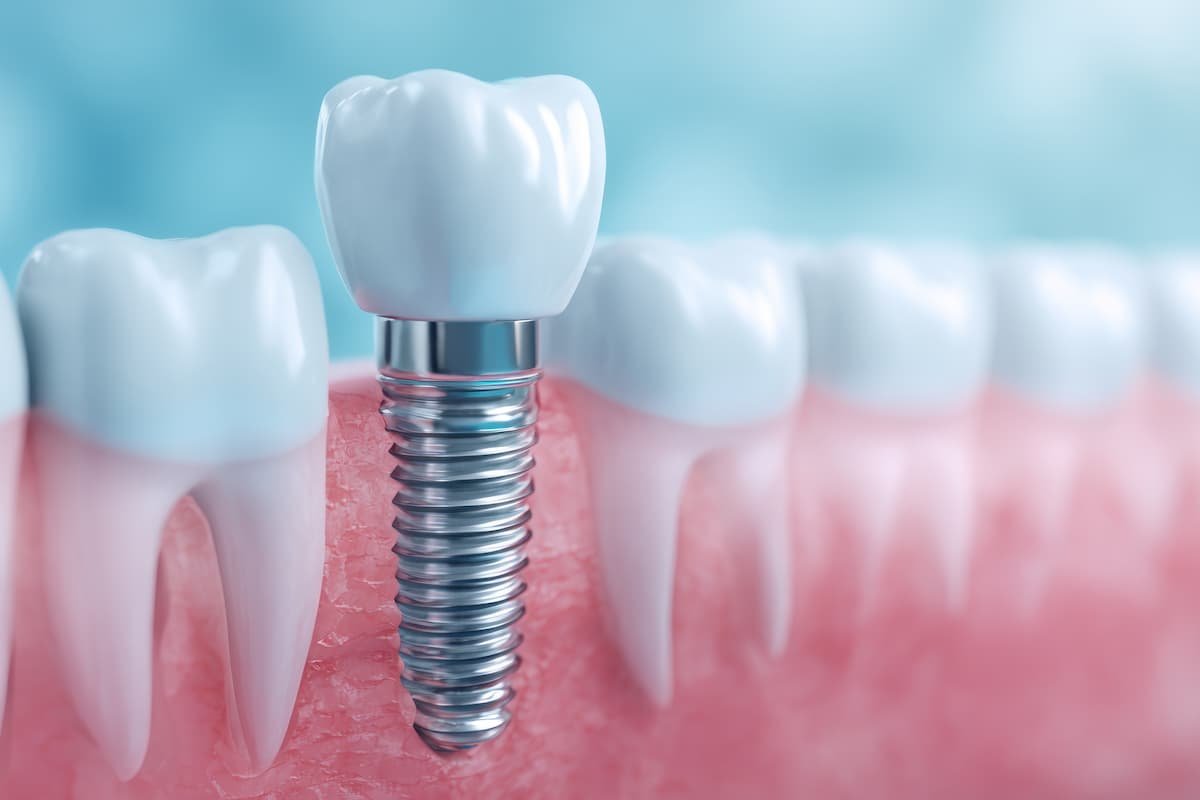
A dental implant restoration generally consists of three parts: the implant post, the abutment, and the crown. Each has a distinct function, and differences in these components can affect treatment planning, maintenance, and repair.
The implant post
The implant post is placed in the jawbone to provide support for the replacement tooth. It serves as an artificial tooth root and is commonly manufactured from titanium or a titanium alloy. Zirconia implants are another option for selected patients.
The dentist determines the appropriate implant system, dimensions, and position using clinical examination and diagnostic imaging. Bone thickness, available space, anatomical structures, and the forces generated during chewing all influence these decisions. A plan should identify the proposed implant system and explain why it suits the intended restoration.
The abutment
The abutment connects the implant post to the crown. It may be a prefabricated component or a custom-made piece designed to achieve a particular fit, emergence profile, or alignment.
Some restorations use angled abutments to accommodate implant positioning, while others use straight components. The connection design also varies among implant systems. Ask whether the proposed abutment is included in the treatment plan and how its design supports the final tooth.
The crown
The crown forms the visible portion of the replacement tooth. It must fit the surrounding teeth, support comfortable chewing, and maintain an appropriate appearance.
Crown design depends on the tooth’s location, bite forces, available space, and the condition of the opposing teeth. A front tooth may require particular attention to shade, translucency, and gumline appearance. A molar generally places greater emphasis on strength, contact points, and chewing function.
Comparing these three components separately gives patients a clearer understanding of what the proposed restoration includes.
Compare Dental Implant Materials by Function
Dental implant materials serve different purposes, so comparing them requires more than looking at a product name. The material used for the implant post may differ from the material selected for the abutment or crown.
Titanium has a long history of use in dental implants because it can integrate with surrounding bone and offers favorable mechanical properties. Zirconia is a ceramic alternative that may suit selected clinical situations. Its suitability depends on the implant design, available evidence, anatomy, and the clinician’s experience with the system.
For the visible crown, common dental implant crown materials include porcelain-fused-to-metal, monolithic zirconia, and layered ceramic options. Each offers a different balance of strength, appearance, and repair considerations. Monolithic zirconia is often considered for areas exposed to substantial chewing forces, while layered ceramics may provide greater control over aesthetic details in selected cases.
Ask the provider to identify the materials proposed for each component, rather than accepting a general description such as a ceramic implant tooth. The treatment discussion should address the following:
- Implant post: Material, implant system, and clinical reasons for the selection.
- Abutment: Material, connection type, and any custom design requirements.
- Crown: Ceramic or metal-based composition, appearance, strength, and repair considerations.
Material selection should reflect the location of the missing tooth, bite conditions, tissue characteristics, and the patient’s priorities. No single material is ideal for every case.
Review the Diagnostic Work Behind the Plan
Reliable implant planning begins with an assessment of the structures supporting the proposed restoration. A written plan should identify the examinations and imaging used to evaluate the treatment site.
A clinical examination helps assess gum health, existing teeth, bite relationships, and the condition of the tissues around the missing tooth. Dental radiographs provide information about bone and nearby anatomical structures. Cone-beam computed tomography, commonly called CBCT, may be recommended when three-dimensional information is needed to assess bone dimensions, nerve locations, sinus anatomy, or implant positioning.
CBCT is not necessary for every patient. The clinician should explain why additional imaging is appropriate for your case and how its findings influence the treatment plan.
Diagnostic planning may also include digital impressions, conventional impressions, photographs, or a surgical guide. These tools serve different purposes, from designing the crown to transferring the planned implant position during surgery. Ask which records are required and which are already included in the proposed treatment.
A plan that explains its diagnostic process gives you a clearer basis for comparing recommendations. It also helps you distinguish necessary clinical steps from services that may not apply to your circumstances.
Read the Written Estimate Beyond the Final Amount
A written estimate should identify the procedures and components associated with the proposed treatment. Even without comparing prices, patients can evaluate how clearly each provider documents the scope of care.
The dental implant cost breakdown should distinguish the surgical phase from the restorative phase. It should also identify additional procedures and explain any services that are not included in the stated treatment package.
Check the estimate for these details:
- Surgical procedures: Implant placement, any recommended extraction, bone grafting, or other preparatory treatment.
- Restorative components: Implant post, abutment, crown, temporary restoration if needed, and laboratory services.
- Supporting services: Diagnostic imaging, consultations, follow-up examinations, and maintenance instructions.
Ask the provider to clarify any unclear entries. For example, a plan may mention implant placement without specifying the final crown, or it may list a restoration without identifying the abutment. These omissions can make two proposals difficult to compare accurately.
The estimate should also explain how changes in clinical findings will be handled. Additional treatment may become necessary if examination or surgical findings differ from expectations. Understanding the process for discussing such changes helps patients make informed decisions before treatment begins.
Evaluate Follow-Up Care and Long-Term Maintenance
Implant treatment does not end when the crown is attached. The tissues around the implant require ongoing attention, and the restoration must remain functional under repeated chewing forces.
Long-term dental implant care typically includes professional examinations, appropriate cleaning, monitoring of gum health, and assessment of the restoration and bite. The recommended maintenance schedule depends on the patient’s periodontal history, oral hygiene, medical factors, and implant condition.
Ask each provider how follow-up visits are organized and which examinations are included. Clarify who will monitor the implant, assess the surrounding tissues, and manage restorative concerns if they arise. Patients with a history of gum disease may need closer periodontal monitoring because inflammation around implants can damage the supporting tissues.
Home care also matters. A dentist or hygienist should demonstrate suitable brushing and interdental cleaning techniques for the specific implant restoration. Tobacco use, poorly controlled diabetes, a history of periodontal disease, and difficulty maintaining oral hygiene can affect treatment outcomes and should be discussed during planning.
G4 Dental Implants is another name patients may encounter while researching implant care. Regardless of the provider considered, the important comparison is the quality of the clinical explanation, the clarity of maintenance recommendations, and the arrangements for addressing complications or restoration problems.
Compare Providers on Communication and Clinical Coordination
Comparing dental implant providers involves more than reviewing the implant brand or the appearance of the proposed crown. The treatment team should explain the diagnosis, discuss reasonable alternatives, and describe the responsibilities of each clinician involved in care.
Some patients receive implant surgery and restorative treatment from one clinician, while others work with a surgical specialist and a restorative dentist. Either arrangement can be appropriate when responsibilities and communication are clearly established.
Ask who will place the implant, who will design and fit the final crown, and who will coordinate care if bone grafting or periodontal treatment is needed. If several clinicians are involved, ask how they share imaging, treatment records, and updates.
A clear provider discussion should also cover the limitations of the proposed treatment. Implant placement does not guarantee that every restoration will remain complication-free. Mechanical wear, screw loosening, crown damage, and inflammation around the implant can occur. Knowing how the team evaluates and manages these issues provides a more realistic picture of ongoing care.
Choose a Plan That Fits Your Oral Health and Priorities
The most appropriate treatment plan is the one supported by your clinical findings and explained in terms you can understand. A proposal with more components is not automatically better, and a shorter plan is not necessarily inadequate. Each recommendation should have a clear clinical purpose.
Before making a decision, compare the implant system, component materials, imaging, surgical procedures, final restoration, written inclusions, and maintenance arrangements. Ask for clarification when providers recommend different approaches, especially if they disagree about bone grafting, implant placement, or crown design. A second opinion can help resolve substantial differences in clinical recommendations.
Patients researching dental implants in Tysons Corner should bring their questions and existing dental records to the consultation. This can make it easier to discuss alternatives, identify missing details in written proposals, and establish realistic expectations for treatment and maintenance.
Make an Informed Decision About Your Implant Treatment
A well-planned dental implant restoration depends on the relationship between the implant post, abutment, crown, supporting tissues, and long-term maintenance. Reviewing these elements individually helps patients understand the reasoning behind a treatment recommendation and compare plans on meaningful clinical details instead of relying on a general description of the procedure.
Before proceeding, ask your dentist to explain the proposed materials, diagnostic findings, included services, and follow-up arrangements. If questions remain, fix an appointment for a further consultation so you can review the plan and discuss any concerns before treatment begins. A clear understanding of the clinical steps and responsibilities gives you a stronger foundation for making a decision that supports your oral health and daily comfort.
