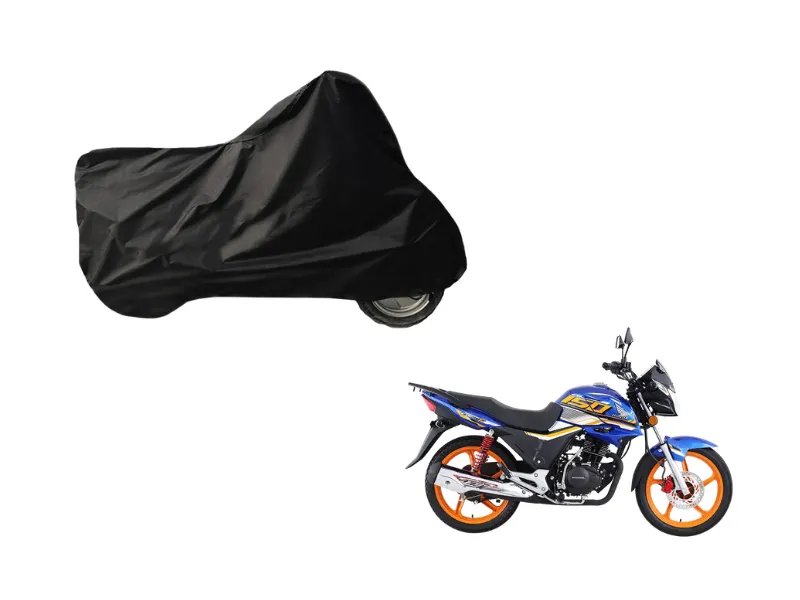
A motorcycle spends much of its life exposed to conditions that riders cannot always control. Dust can settle on the bodywork, sunlight can dull exterior surfaces, and sudden rain can leave moisture around sensitive areas. Even when a Honda motorcycle is parked for only a few hours, its appearance and condition can gradually be affected by the surrounding environment. This is where Honda Bike Covers provide a practical way to protect a valuable two-wheeler without making everyday maintenance complicated.
Choosing a suitable cover is about more than simply placing fabric over a motorcycle. The right cover should fit the bike properly, provide suitable protection for its parking environment, and remain convenient enough for regular use. Whether a Honda bike is kept outside, in a shared parking area, or inside a garage, a well-designed cover can help reduce exposure to everyday elements while keeping the motorcycle cleaner between rides.
Why Cover Your Honda Bike?
Leaving a motorcycle uncovered does more than allow dust to collect. Continuous exposure to outdoor conditions can make cleaning more frequent and may affect different exterior components over time.
A cover offers an additional protective layer when the motorcycle is not being ridden. It can also make parking more manageable for riders who do not have access to enclosed storage.
Everyday protection
A suitable motorcycle cover can help with:
- Reducing dust buildup on painted surfaces.
- Limiting direct exposure to sunlight.
- Keeping the seat cleaner.
- Shielding the motorcycle from light outdoor debris.
- Making routine cleaning easier.
- Providing additional protection during extended parking.
The goal is not to eliminate every environmental risk. Instead, a cover makes everyday motorcycle care more manageable by reducing unnecessary exposure while the bike is stationary.
Choosing the Right Cover
The ideal cover depends heavily on how and where a Honda motorcycle is parked. A rider who stores a bike indoors has different requirements from someone who leaves it outside throughout the week.
For indoor storage, protection from dust may be the main priority. Outdoor storage calls for a cover that is better suited to changing weather and wind conditions.
Consider your parking area
Before choosing a cover, think about:
- Whether the motorcycle is stored indoors or outdoors.
- How frequently the bike is used.
- Whether the parking location receives direct sunlight.
- How exposed the area is to wind and rain.
- Whether the motorcycle has additional accessories.
- How much time you want to spend installing and removing the cover.
These details can help narrow down the most suitable option without focusing only on appearance.
Fit Makes a Difference
A motorcycle cover should provide broad coverage while remaining manageable. An oversized cover can become difficult to secure, while a small one may leave important sections uncovered.
Honda produces motorcycles in different styles and sizes, so riders should check compatibility before buying a cover. The dimensions of the motorcycle are especially important when selecting an option for a specific model.
Check the dimensions
Pay attention to:
- Motorcycle length.
- Handlebar width.
- Mirror placement.
- Seat height.
- Rear accessories.
- Luggage or storage boxes.
A well-fitting cover is easier to position and generally more convenient for regular use. It should cover the motorcycle without creating unnecessary excess material.
Outdoor Motorcycle Protection
Outdoor parking presents several challenges. A parked motorcycle can be exposed to sunlight during the day and moisture or debris at other times. Wind can also move dust and particles around the parking area.
A suitable cover provides a physical barrier between the motorcycle and many of these everyday conditions.
Sun and heat
Long periods of direct sunlight can make motorcycle surfaces hot and may contribute to gradual wear of exterior materials. Covering the bike when it is parked can reduce direct exposure.
However, riders should allow a recently used motorcycle to cool appropriately before covering it. This simple habit makes covered storage more practical.
Rain and moisture
A cover can help reduce direct exposure to rain, but riders should still pay attention to moisture underneath the cover. Covering a wet motorcycle for an extended period without proper ventilation can create an unsuitable environment.
Whenever possible, the motorcycle and cover should be reasonably dry before long-term storage.
Keep Dust Away
Dust is one of the most common problems for parked motorcycles. It can quickly settle on the fuel tank, seat, handlebars, mirrors, and other visible areas.
Frequent wiping may seem harmless, but repeatedly cleaning dusty surfaces without suitable care can potentially cause unnecessary surface abrasion.
A cover helps reduce how much airborne dust reaches the motorcycle in the first place.
Less daily cleaning
Using a cover consistently can make it easier to maintain a clean motorcycle. Instead of starting every ride with a dusty bike, the rider can remove the cover and prepare the motorcycle for the road.
This is particularly useful for motorcycles parked near roads, construction areas, open lots, or locations where airborne dust is common.
Protection Beyond Appearance
Motorcycle covers are not simply about keeping a bike looking clean. They can also support a more organized storage routine.
When the motorcycle is covered, it is less exposed to casual environmental contact while parked. This can be particularly useful when the bike remains unused for several days.
Useful for different riders
Honda Bike Covers can be practical for:
- Daily commuters.
- Weekend riders.
- Motorcycle enthusiasts.
- Riders with outdoor parking.
- People who travel frequently.
- Owners storing a motorcycle for an extended period.
The needs may differ, but the basic purpose remains the same: provide an additional layer of protection while the motorcycle is not in use.
Features Worth Looking For
Not every motorcycle cover offers the same combination of convenience and protection. Riders should consider practical features rather than choosing solely according to appearance.
The material should be appropriate for the intended environment, while the overall construction should make the cover easy to handle.
Important considerations
Look for a cover that offers:
- A suitable size for your Honda motorcycle.
- Practical coverage.
- Durable construction.
- Secure fitting.
- Convenient handling.
- Easy folding and storage.
- Protection appropriate for the parking location.
If the motorcycle is covered and uncovered every day, convenience becomes particularly important. A cover that takes too much effort to use may eventually be left aside.
Caring for the Cover
A motorcycle cover also requires basic maintenance. Dirt, moisture, and repeated exposure can eventually affect its condition.
Cleaning should always follow the care instructions provided with the product. When the cover becomes dirty, cleaning it appropriately can help prevent accumulated debris from transferring onto the motorcycle.
Store it properly
After removing the cover:
- Shake off loose dirt where appropriate.
- Allow moisture to dry before storage.
- Fold it neatly.
- Keep it away from unnecessarily dirty surfaces.
- Inspect it for tears or damaged fastening areas.
A well-maintained cover is more convenient to use and can remain useful for longer.
Avoid Common Covering Mistakes
Even a quality cover may not provide the expected benefits if it is used incorrectly. One common mistake is covering a motorcycle immediately after a long ride without allowing sufficient cooling time.
Another issue is using a cover that does not fit the motorcycle properly. Loose material can become inconvenient in windy conditions, while insufficient coverage leaves parts of the bike exposed.
Simple habits to follow
Keep these practices in mind:
- Let the motorcycle cool before covering it.
- Use a cover appropriate for its dimensions.
- Secure the cover when conditions are windy.
- Do not ignore moisture trapped beneath the cover.
- Keep the cover reasonably clean.
- Inspect both the motorcycle and cover regularly.
These small steps can make motorcycle storage more effective.
Make Motorcycle Storage Easier
Good motorcycle care is usually based on consistency rather than complicated routines. A rider does not need to spend hours maintaining a parked bike every day. Simple protective habits can reduce unnecessary exposure and make regular upkeep easier.
Using a cover is one of the easiest habits to incorporate into a parking routine. Put the cover on when the motorcycle is parked for an appropriate period, secure it when necessary, and store it properly after removal.
This approach is especially helpful for riders who want their Honda motorcycle to remain presentable between journeys without constantly cleaning it from scratch.
See also: Maintaining Life Safety Standards During Large Events and System Maintenance Operations
A Practical Choice for Honda Riders
A motorcycle is an investment in transportation, convenience, and personal mobility. Protecting it while parked is therefore a sensible part of responsible ownership. The right cover can help reduce exposure to dust, sunlight, rain, and everyday outdoor debris while also making cleaning more manageable.
Honda Bike Covers offer riders a straightforward way to add protection to their parking routine. The most suitable option will depend on the Honda model, dimensions, parking environment, weather exposure, and frequency of use.
Rather than treating a motorcycle cover as an optional accessory, riders can view it as part of a broader care routine. When combined with regular cleaning, proper storage, and routine motorcycle maintenance, a suitable cover can help keep a Honda bike cleaner, better protected, and ready for the next ride.
